2024
Full text in Eng - Dutch.
Book
Buy prints
- this is not photography -
In 1997, the Russian chess grandmaster Garri Kasparov lost to the chess computer Deep Blue and regarded his loss as a tremendous success of human ingenuity. That moment marked a historic turning point in the development of artificial intelligence, although Alan Turing and David Champernowne had already designed the Turochamp in 1948, the first algorithm that assigned a value to chess pieces and was supposed to determine the best possible chess move. AI has been closely intertwined with everyone’s existence for much longer than we realize. Just think of the smartphone, the search engines on the internet, the translation software, even washing machines use AI to increase efficiency, to save energy,… Certain AI applications detect fake news and disinformation.
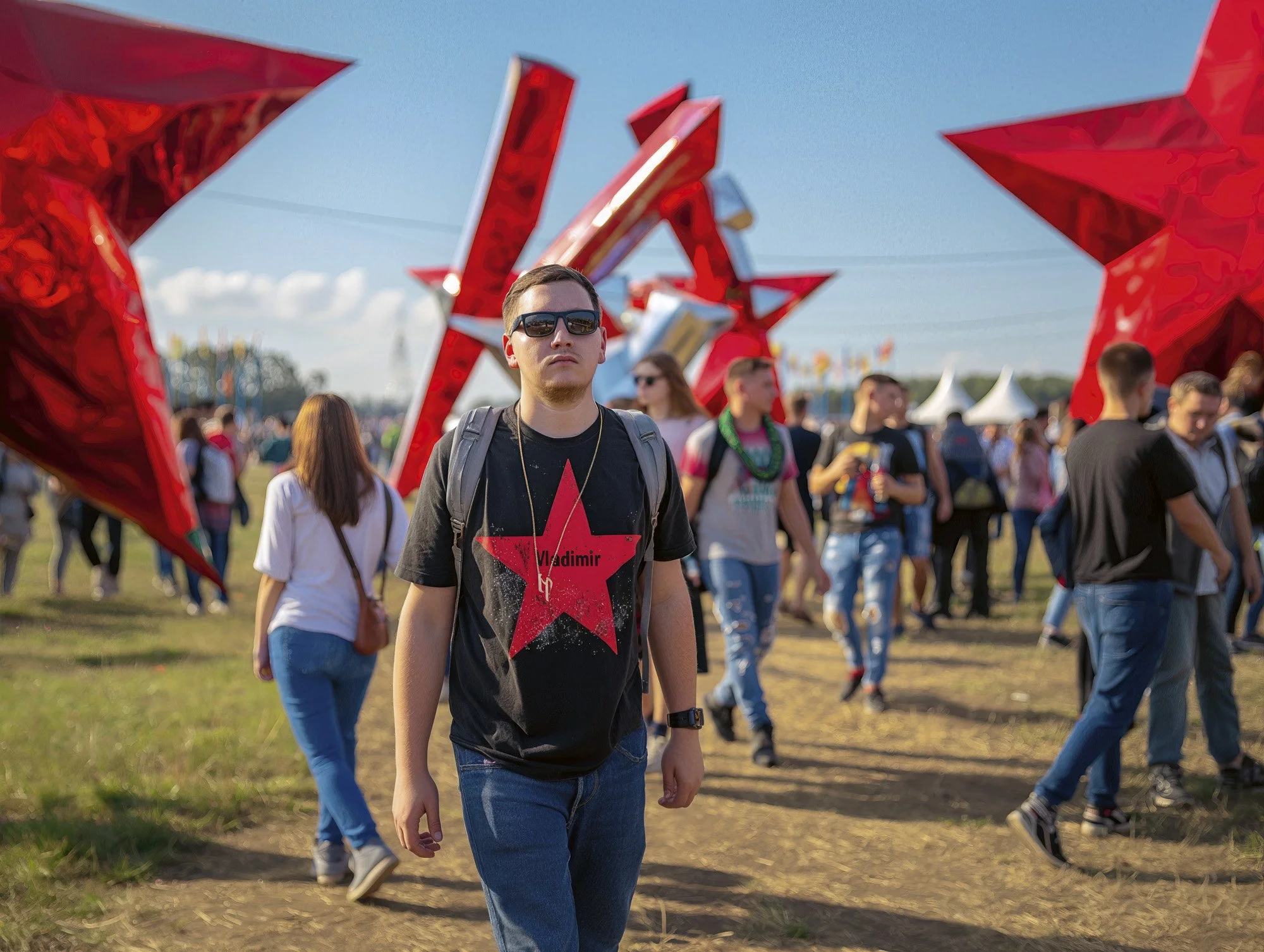
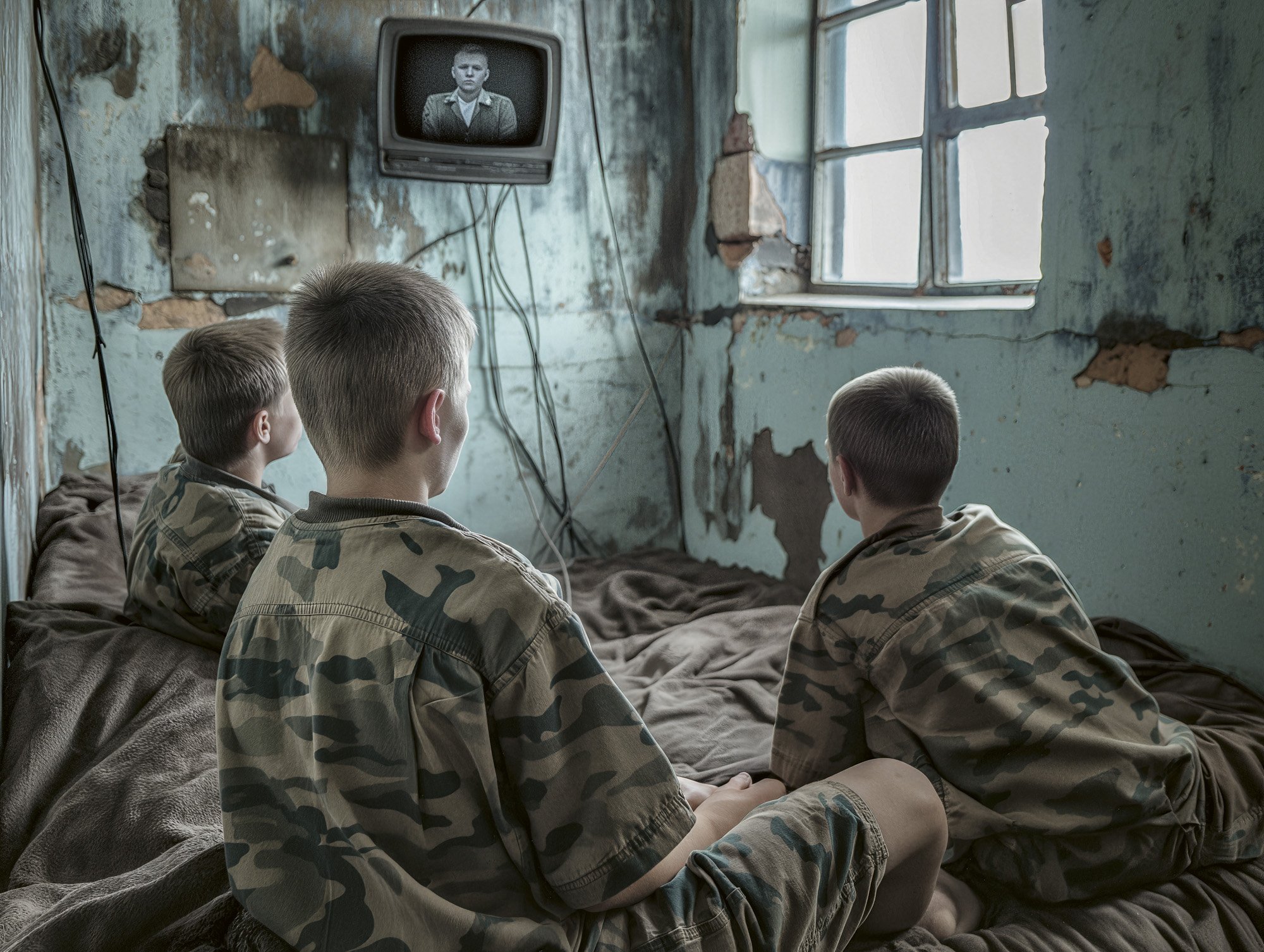
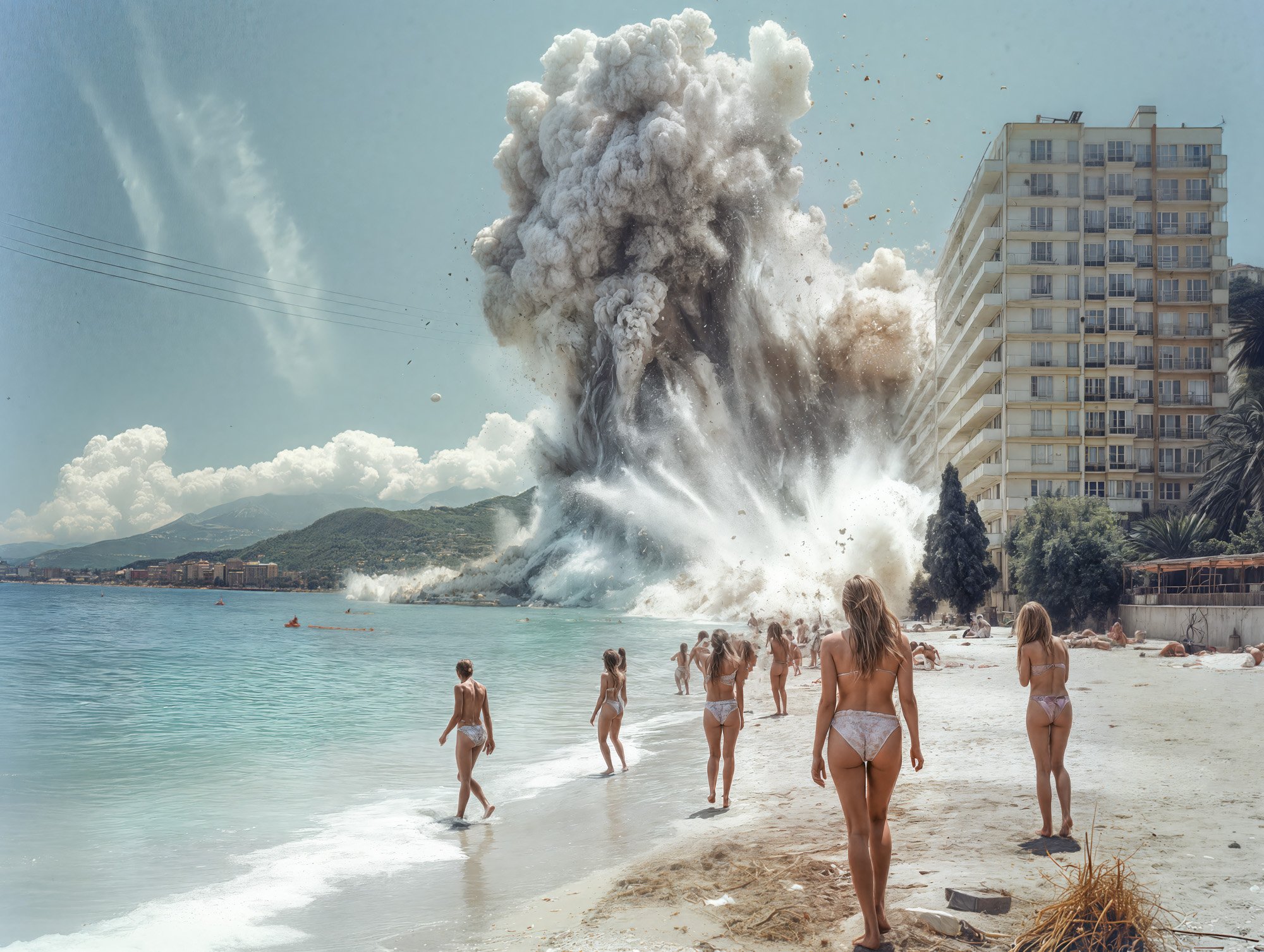
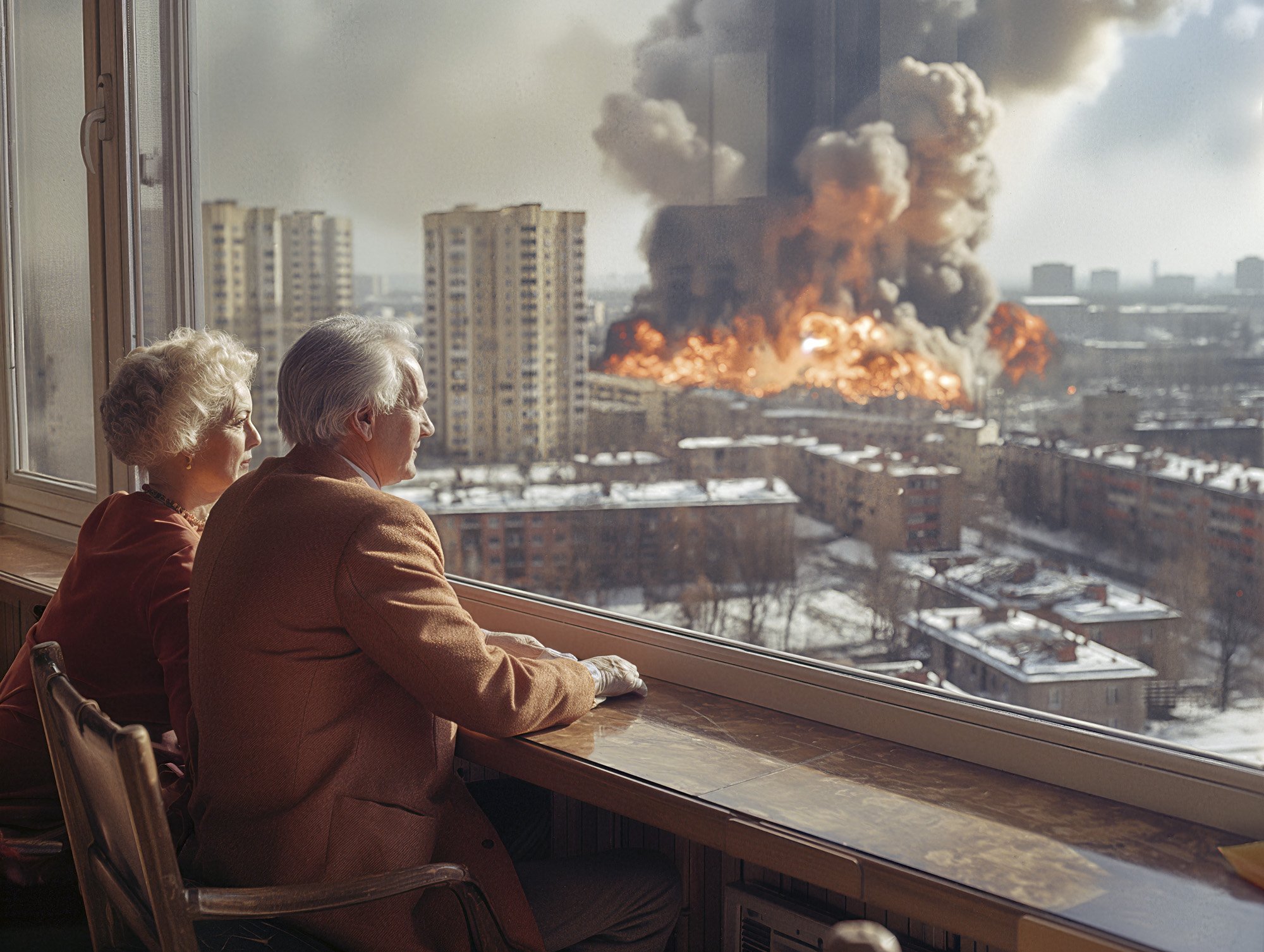
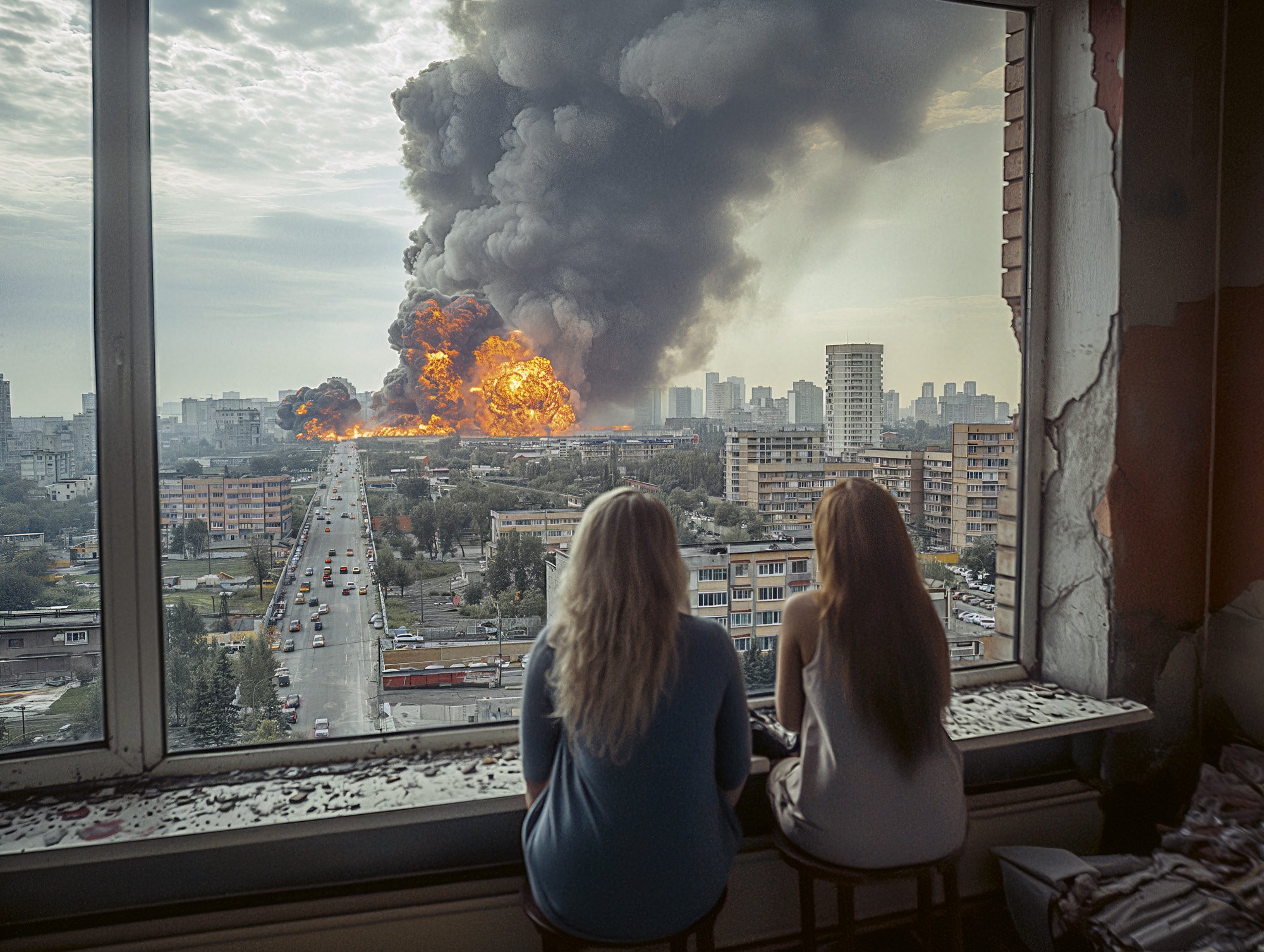
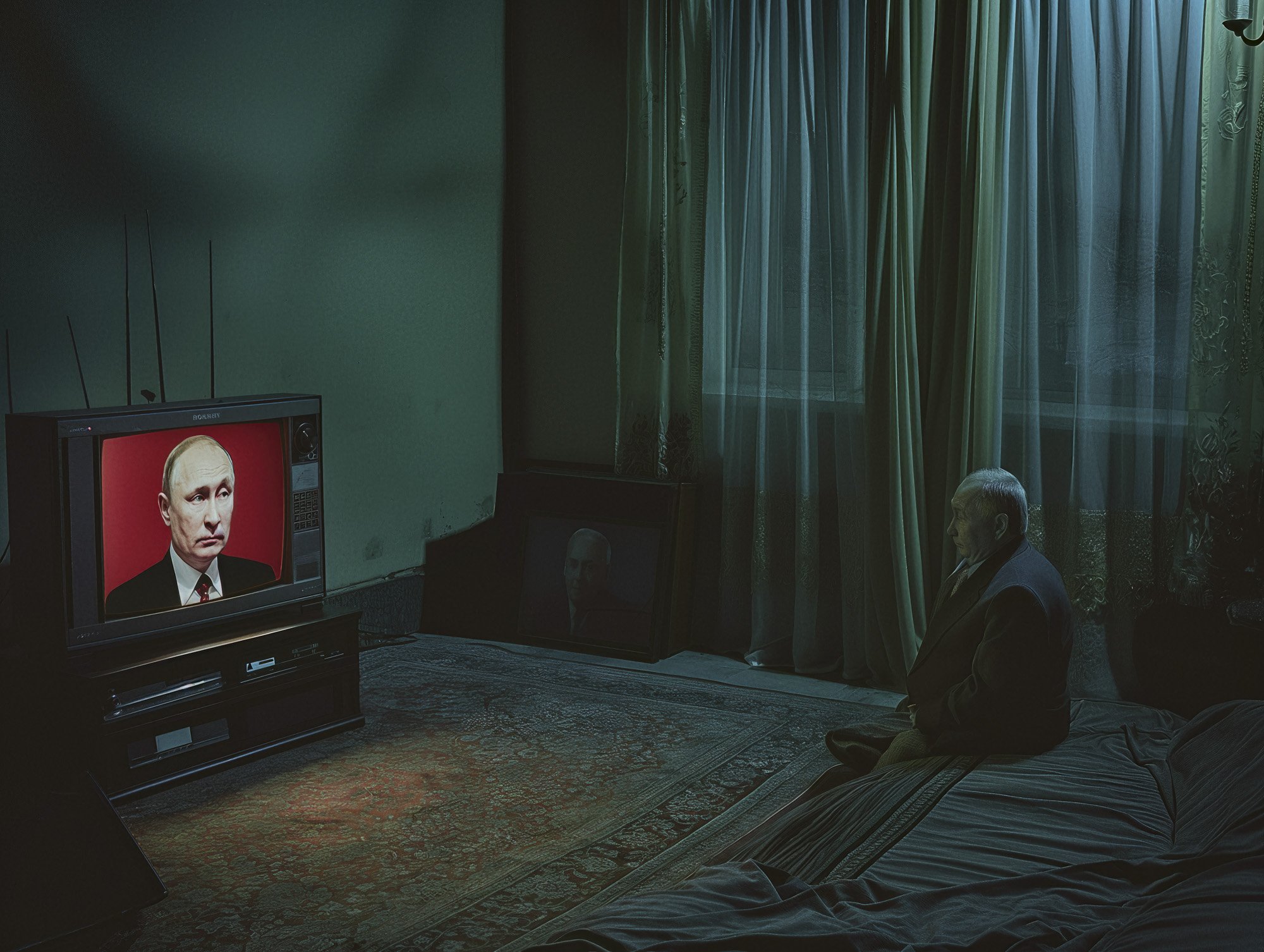
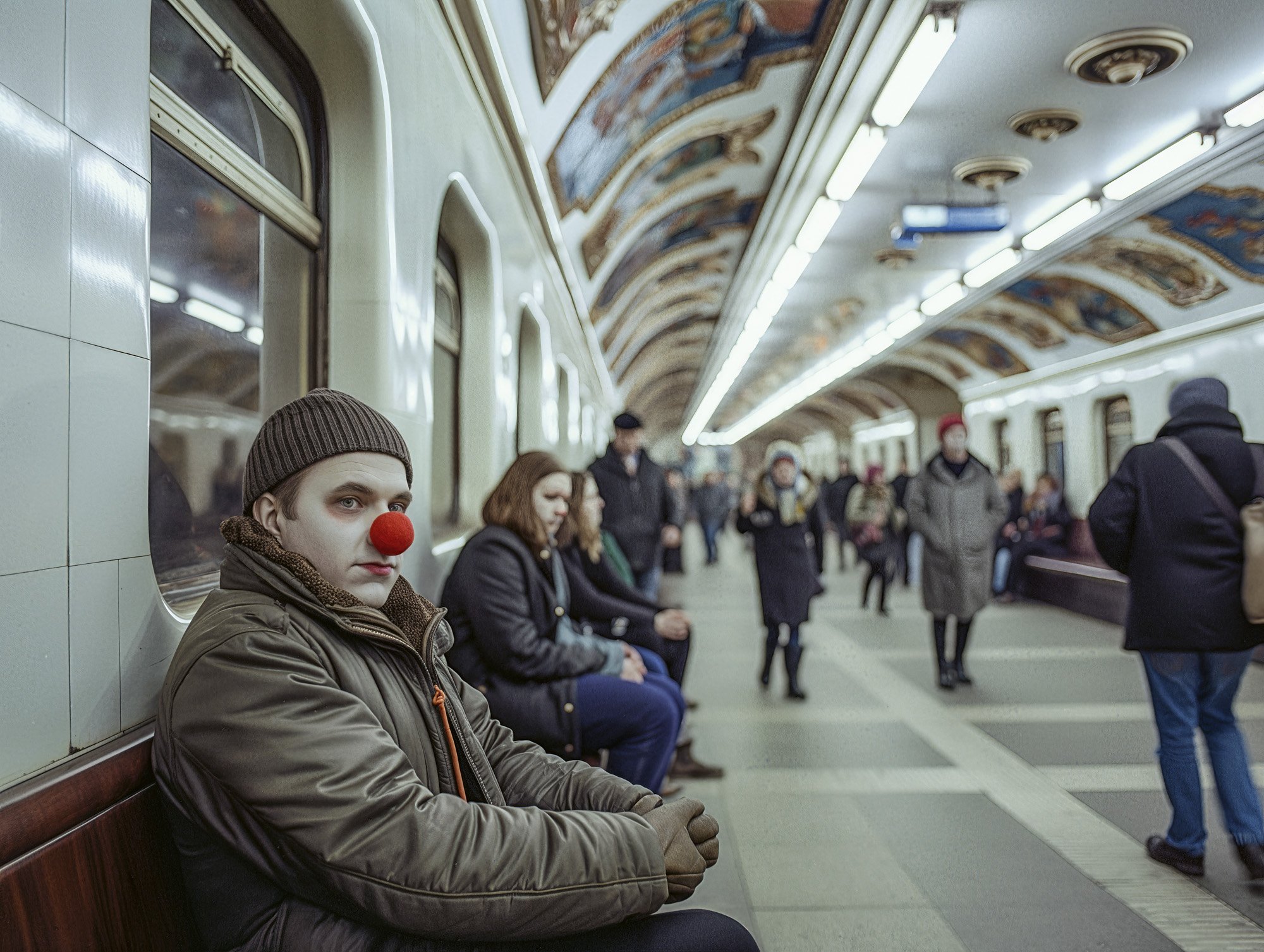
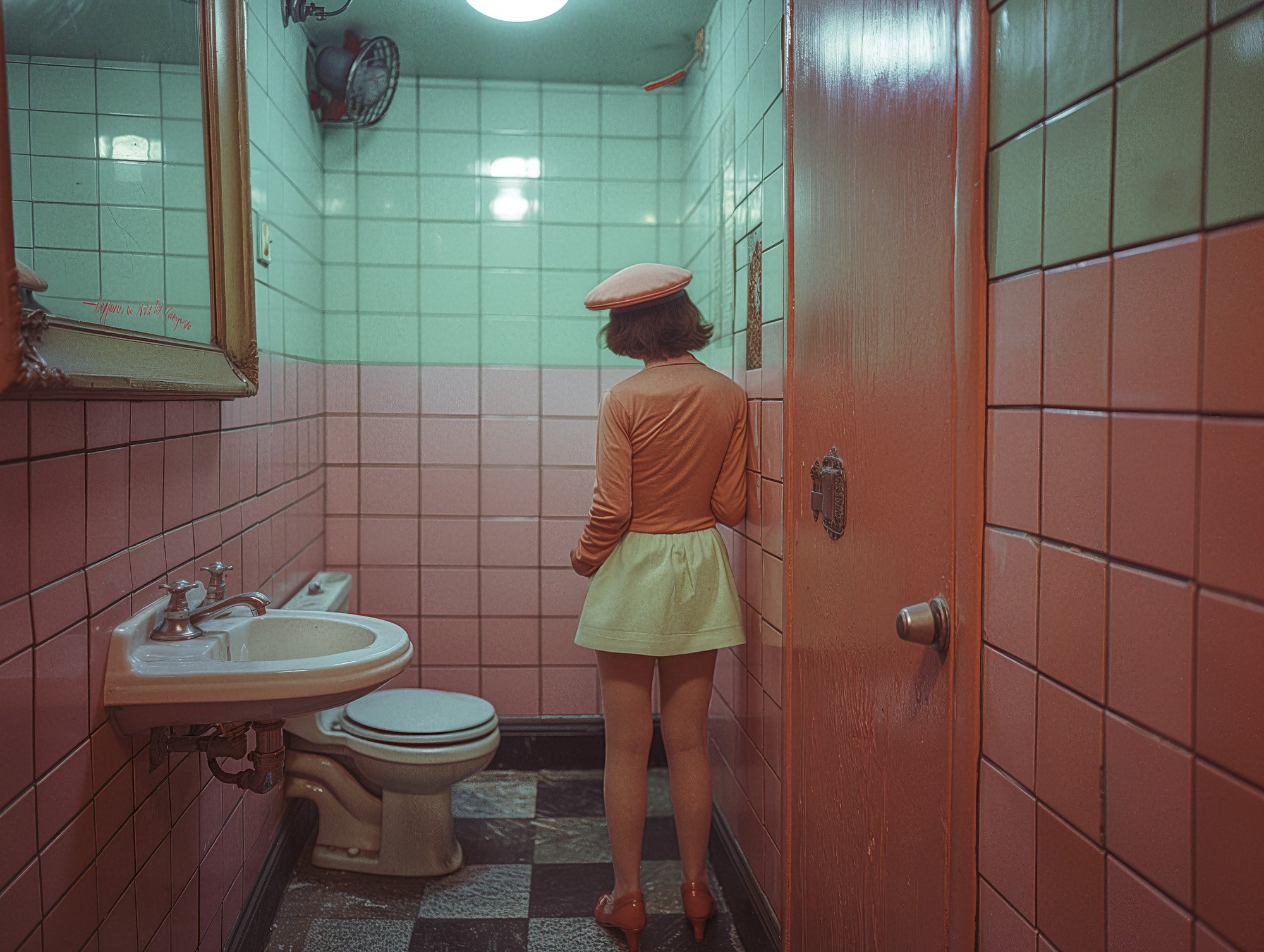
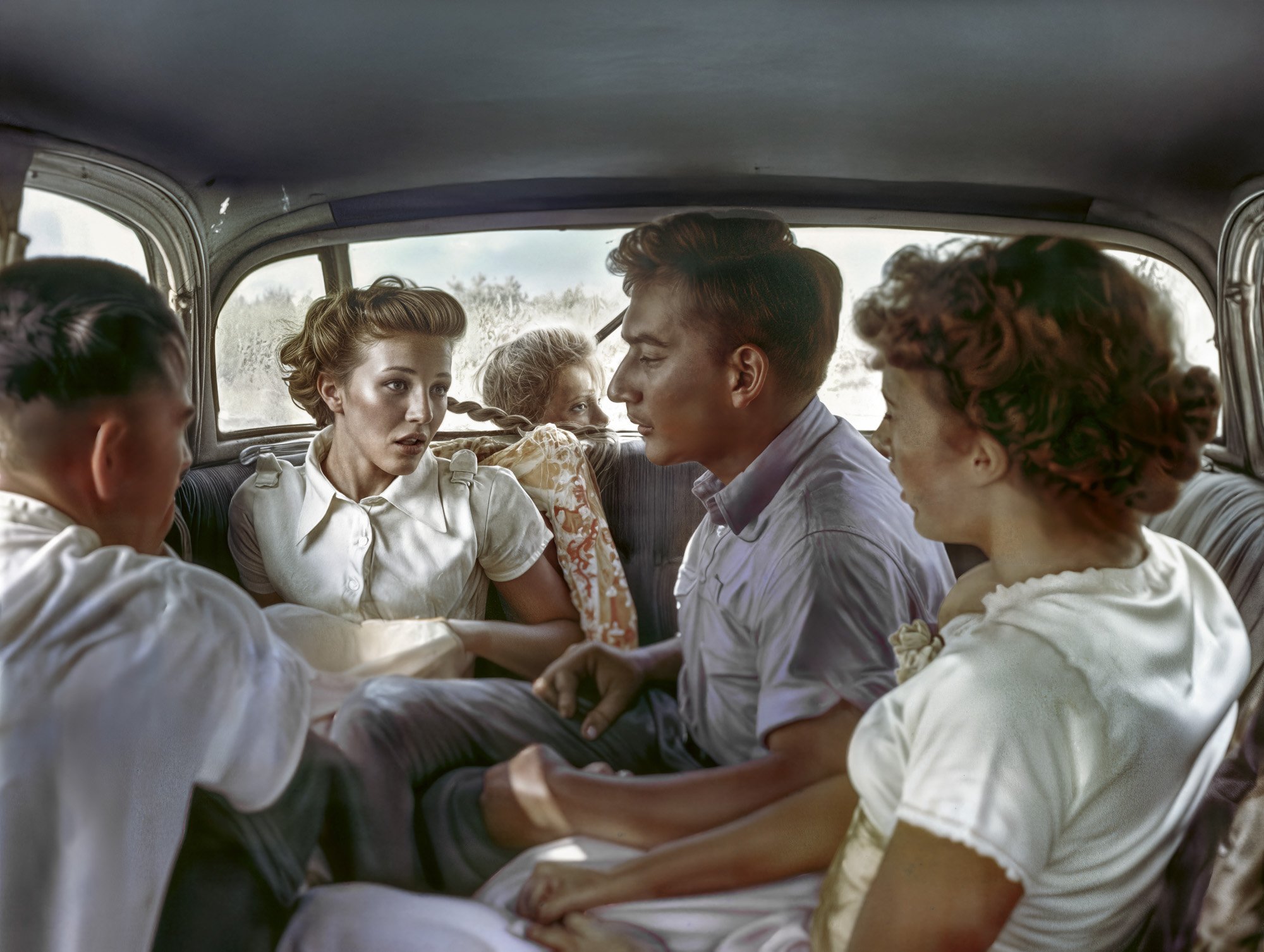
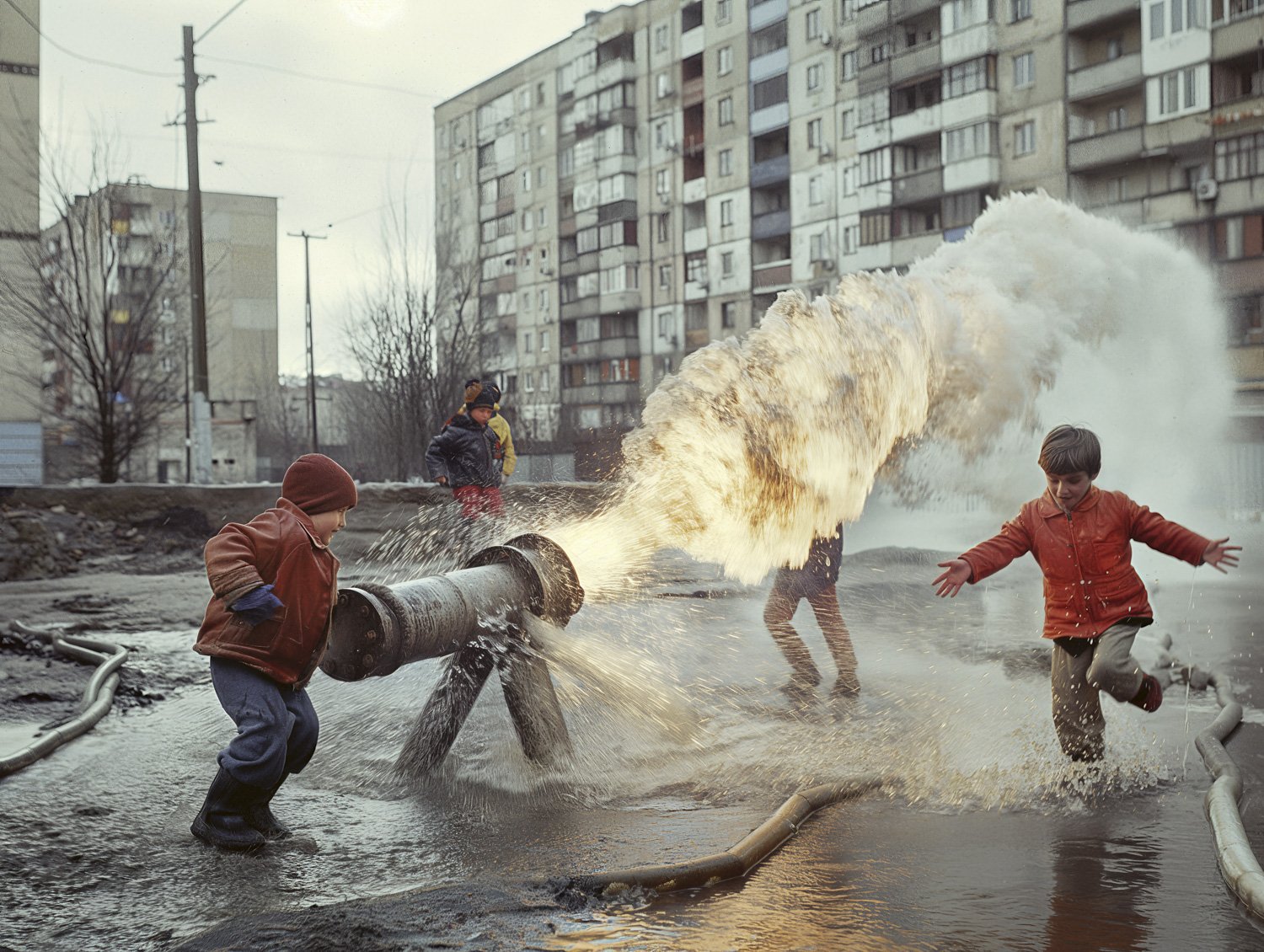
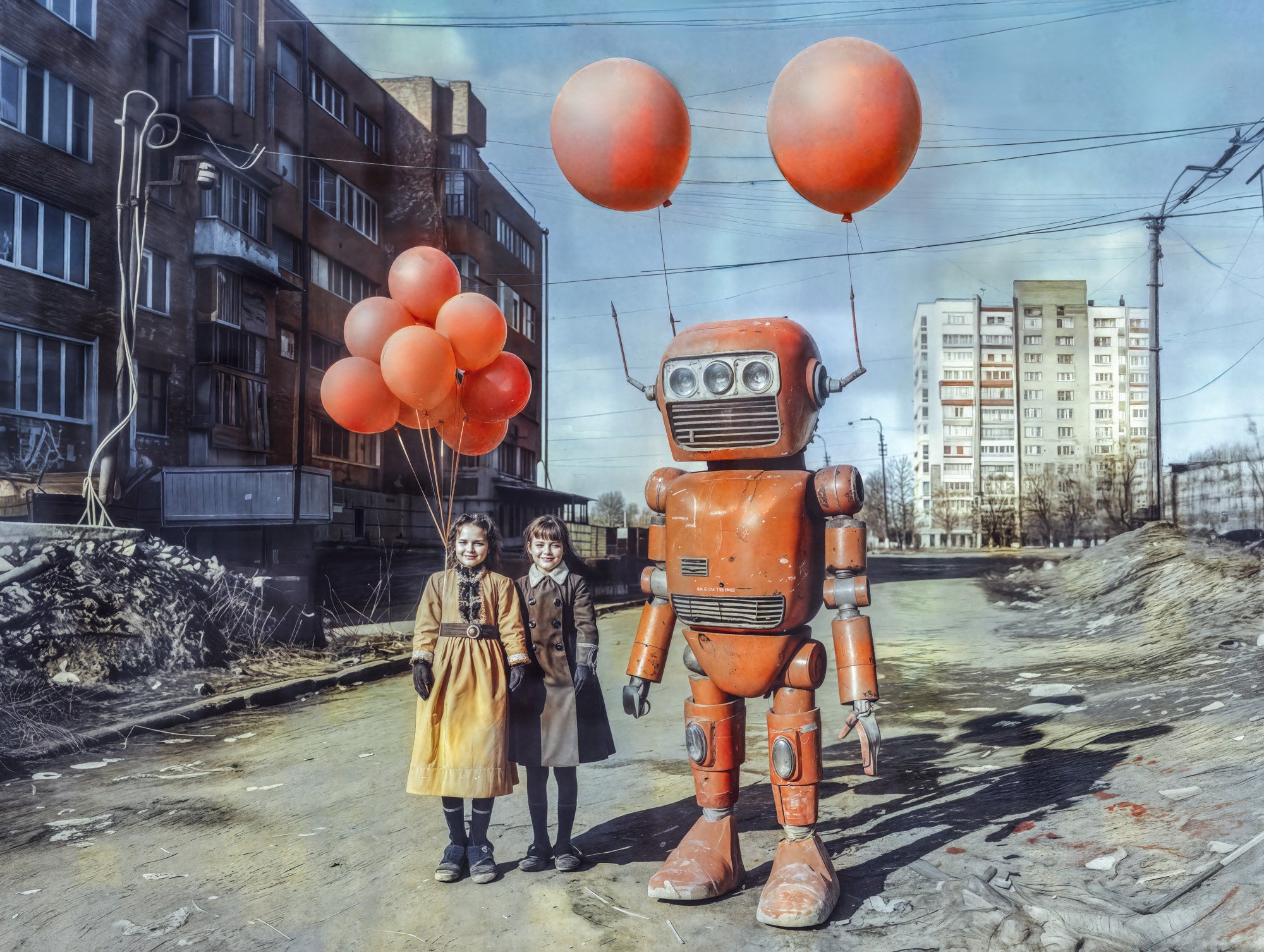
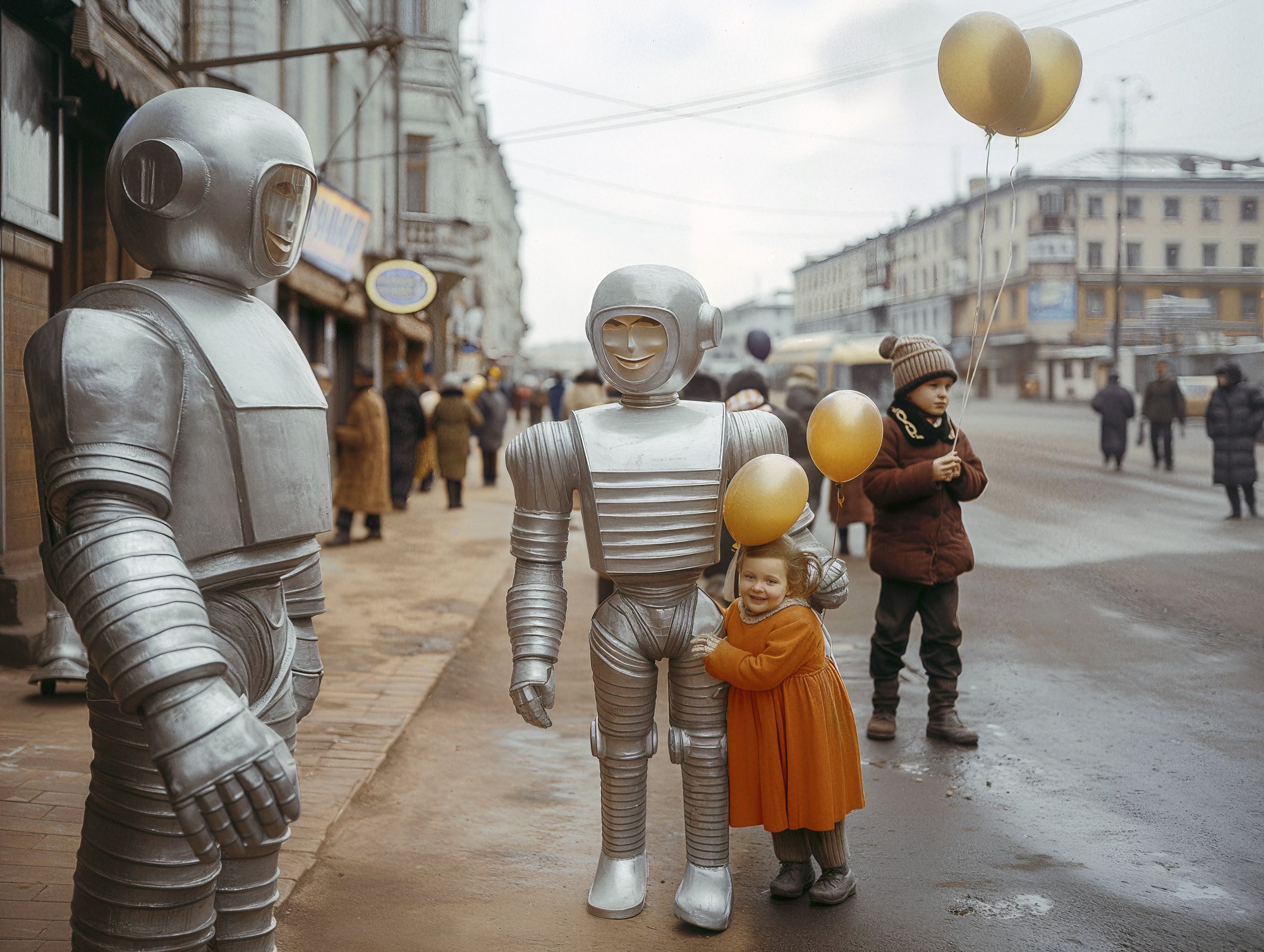
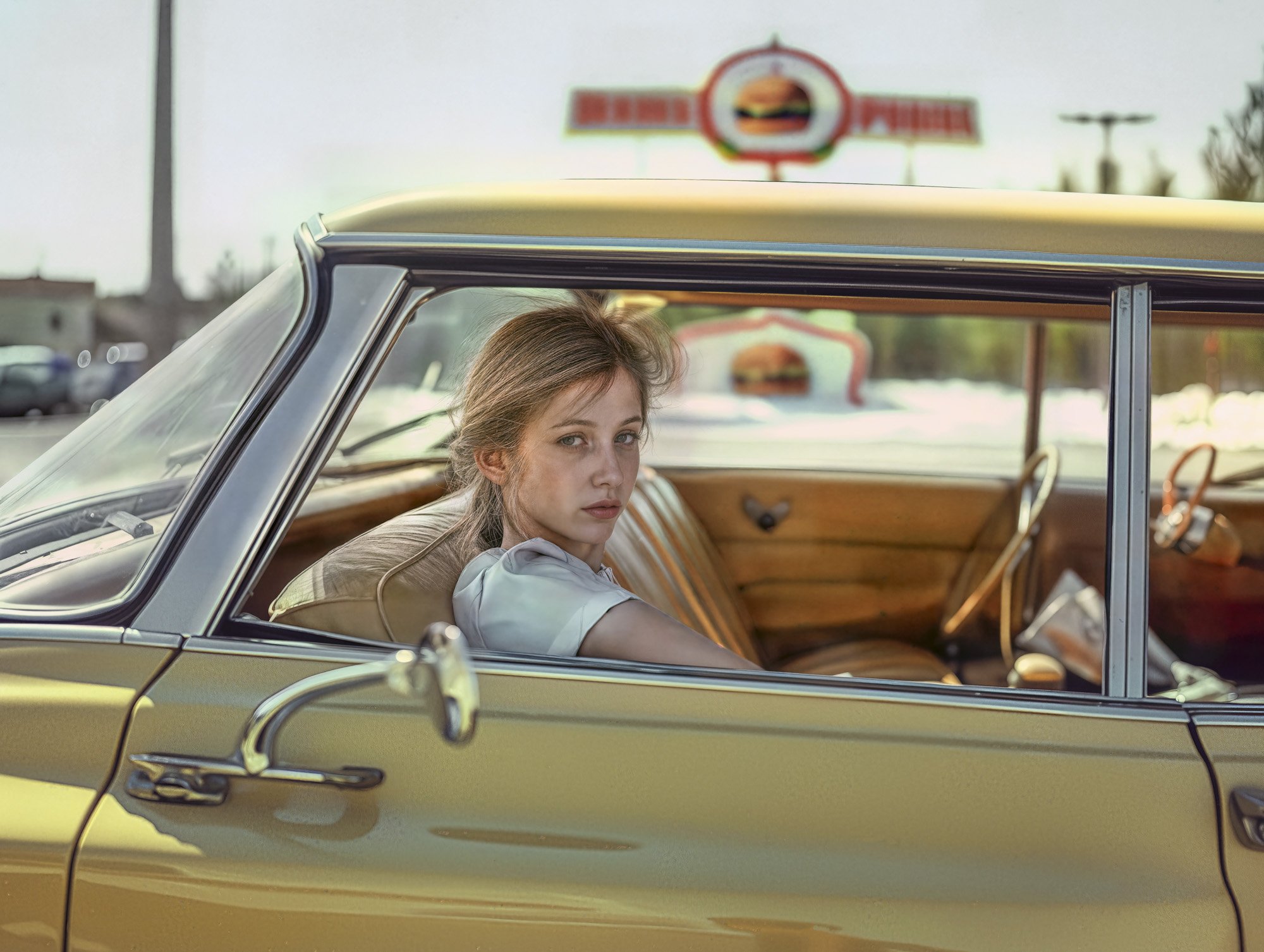
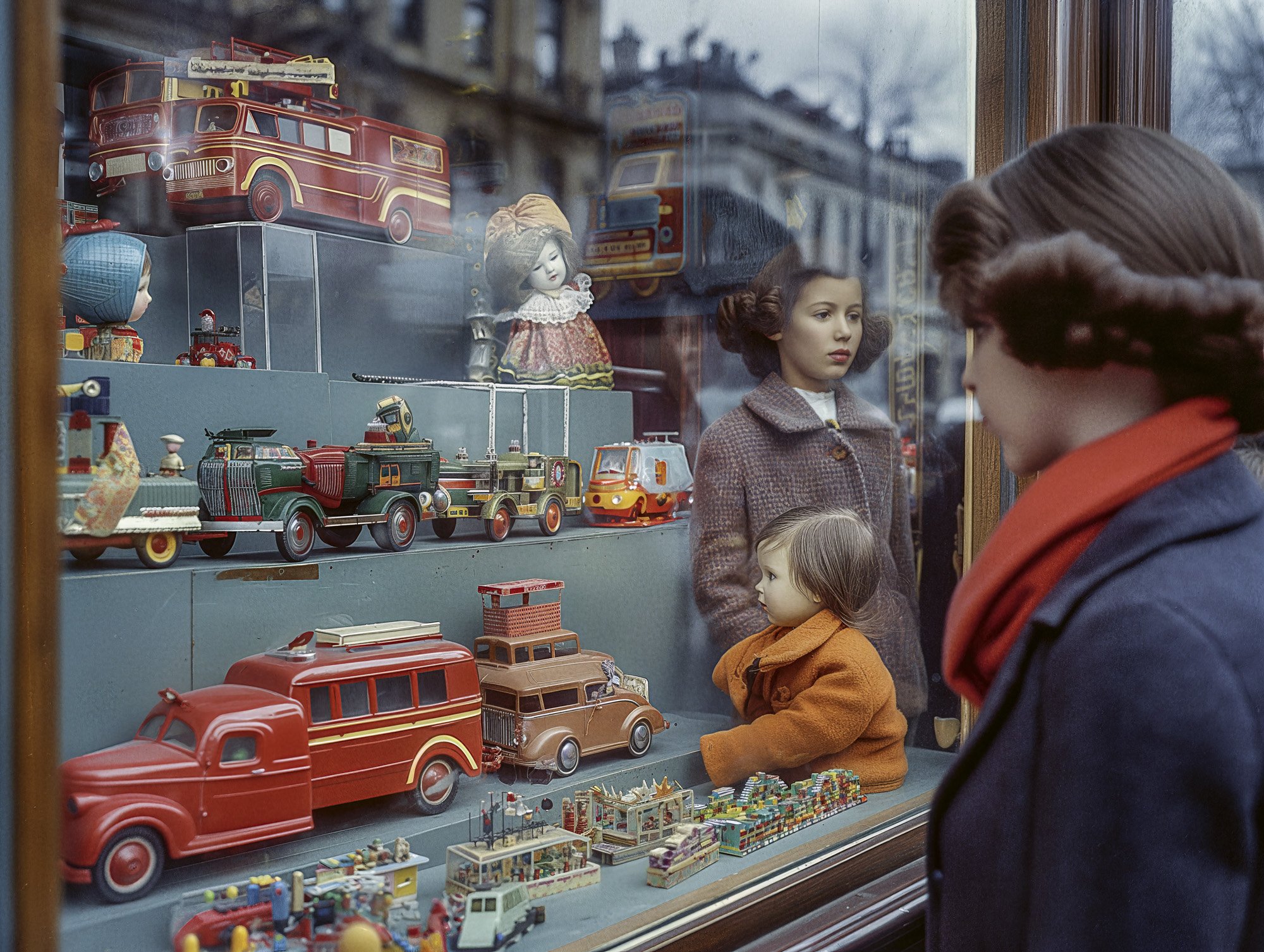
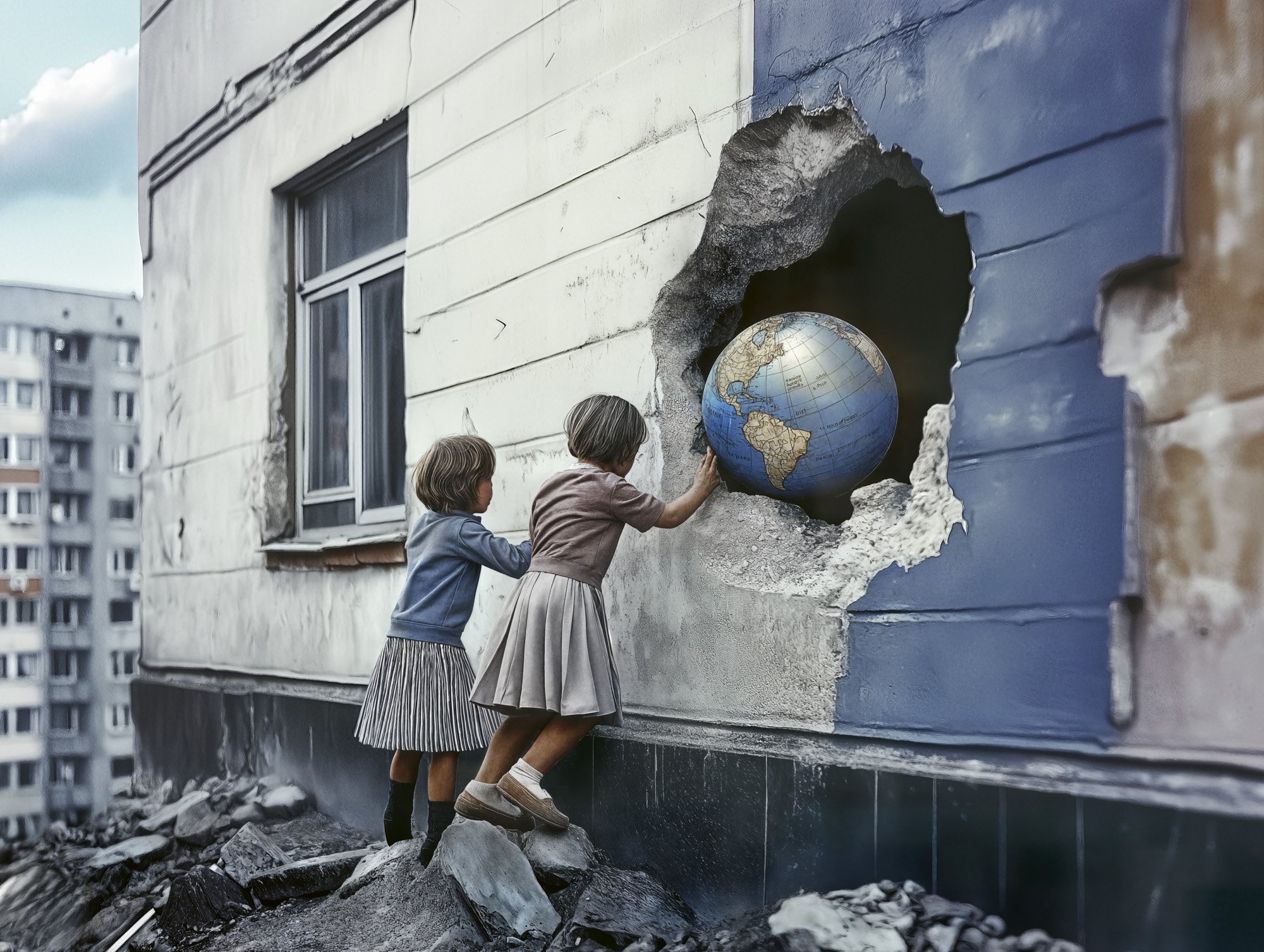
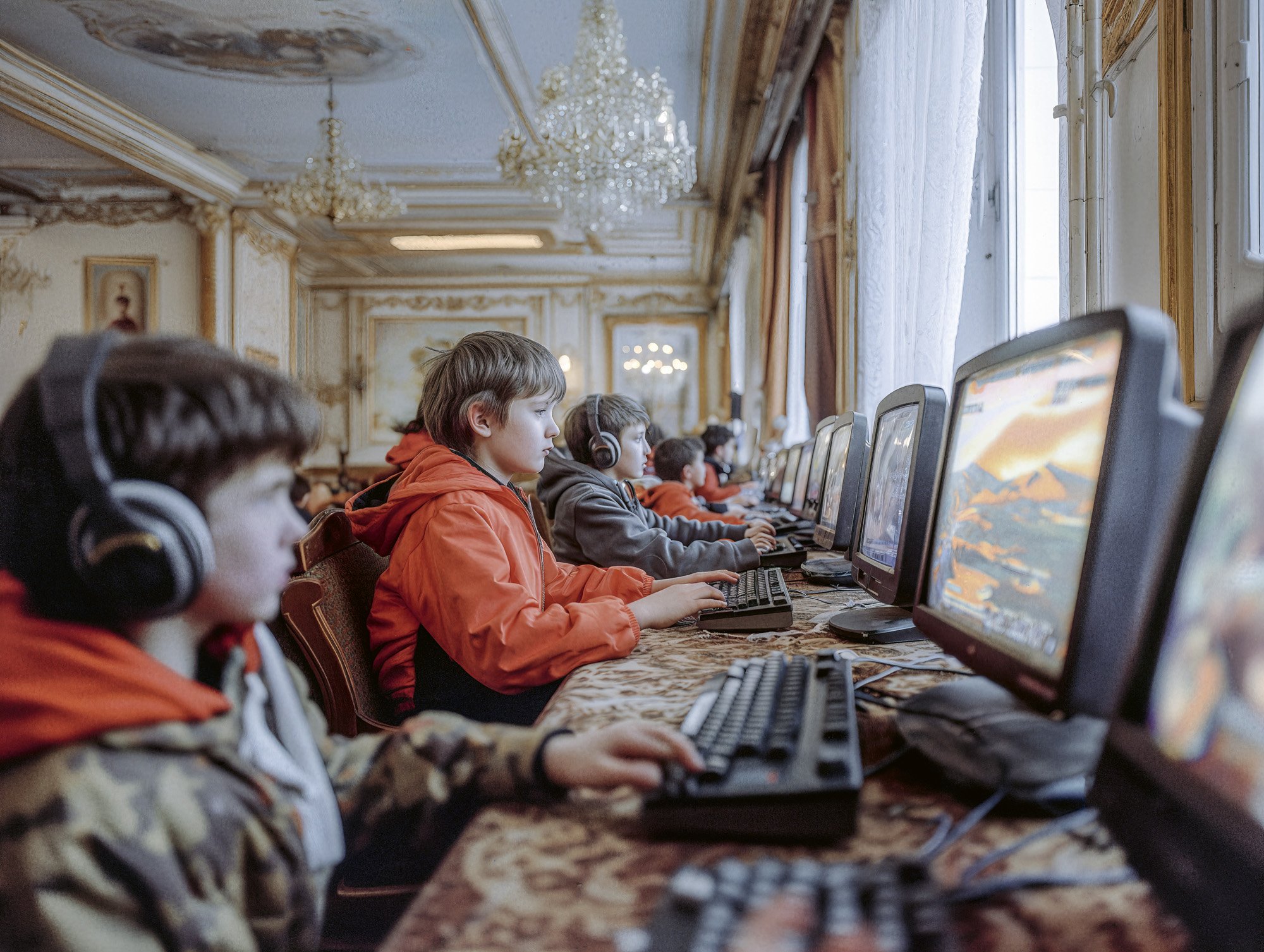
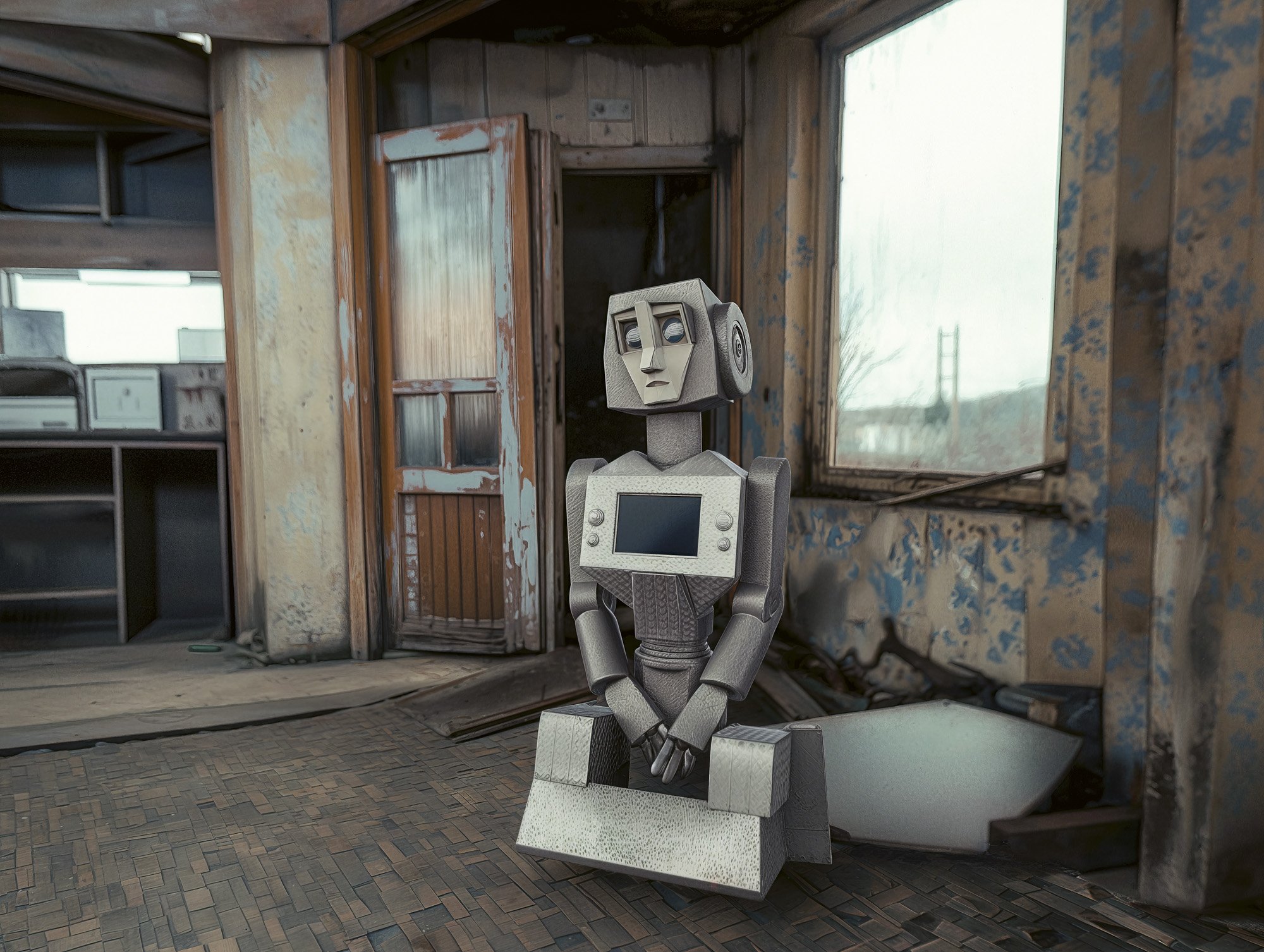
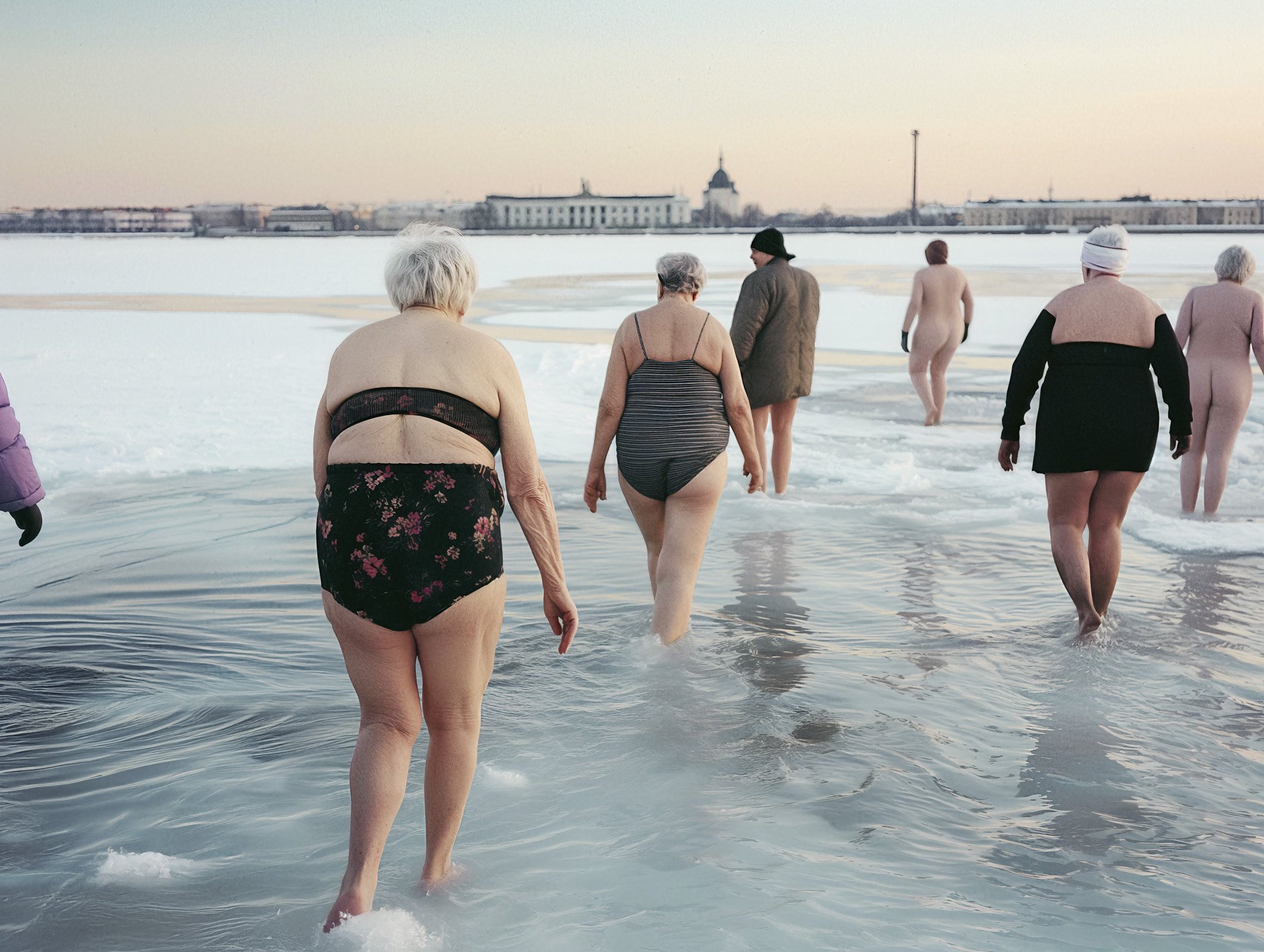
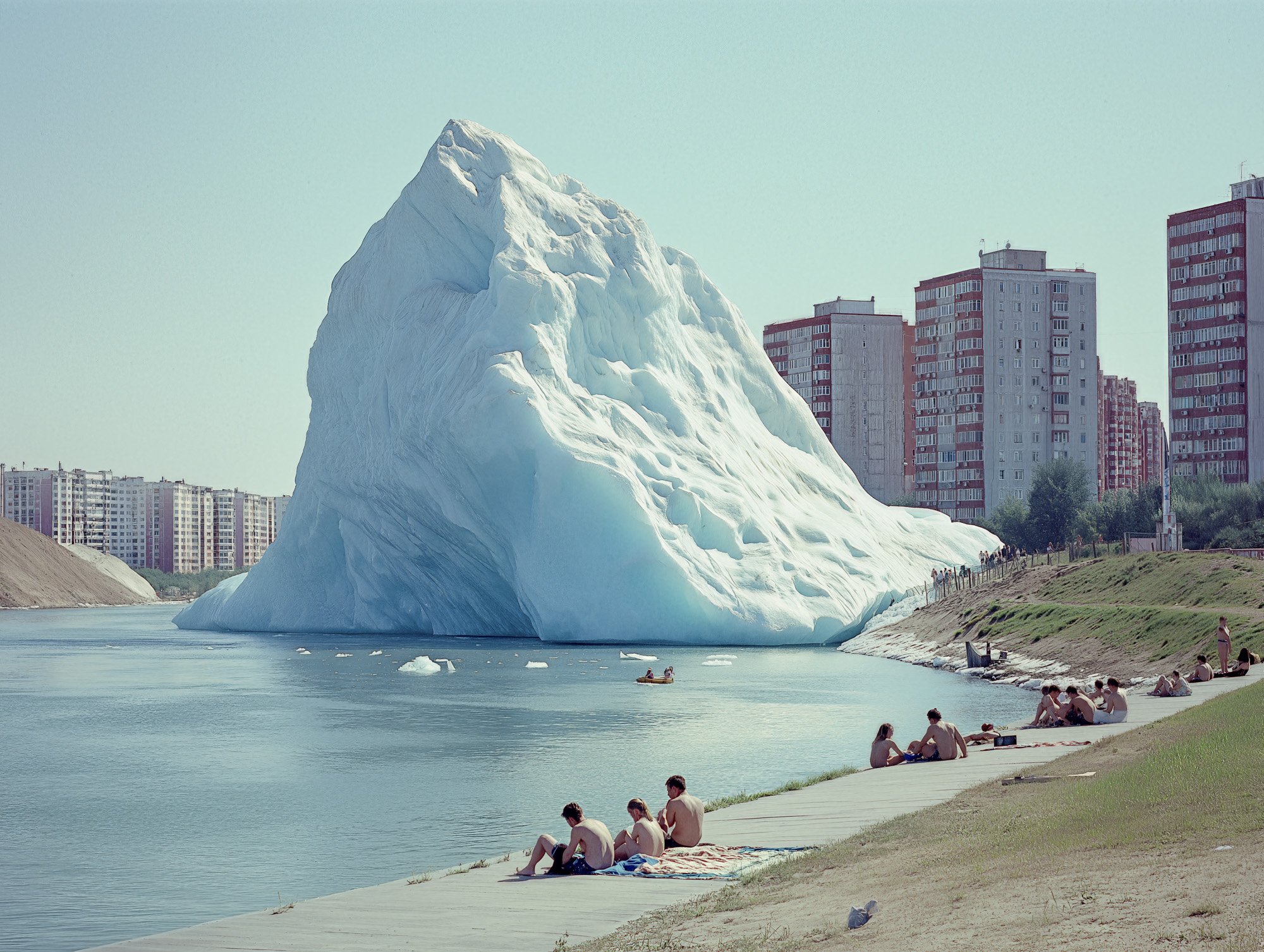
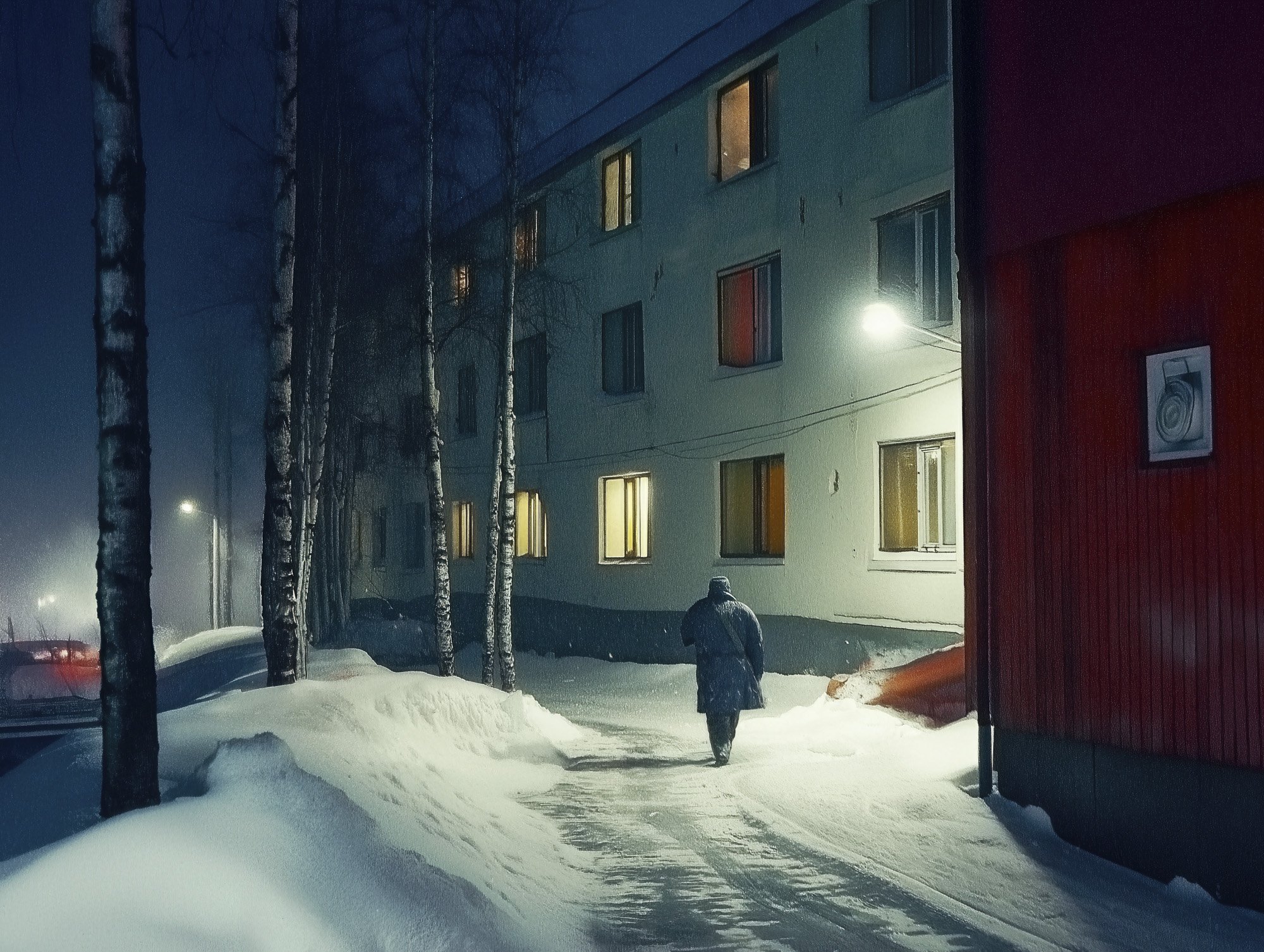
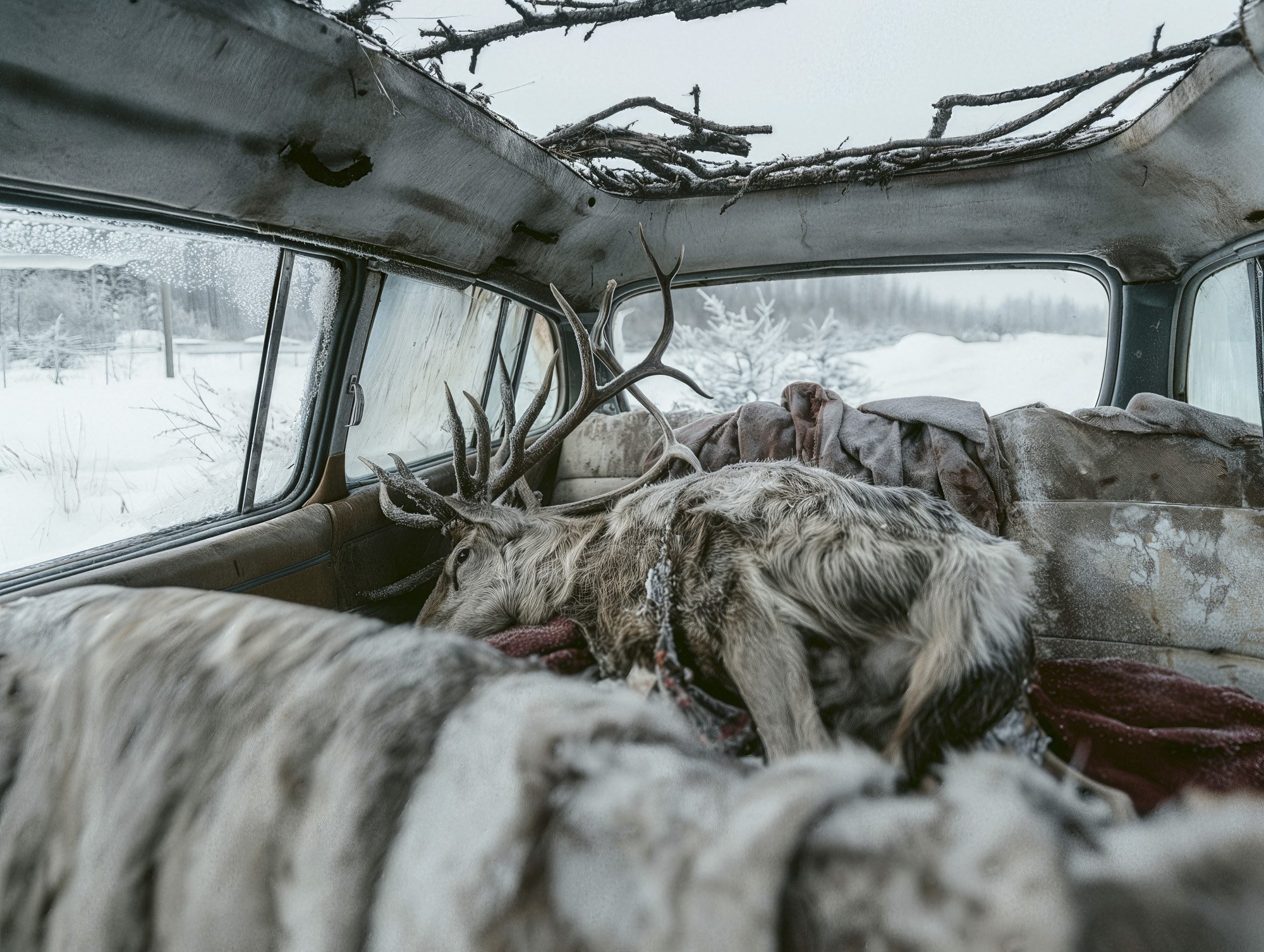
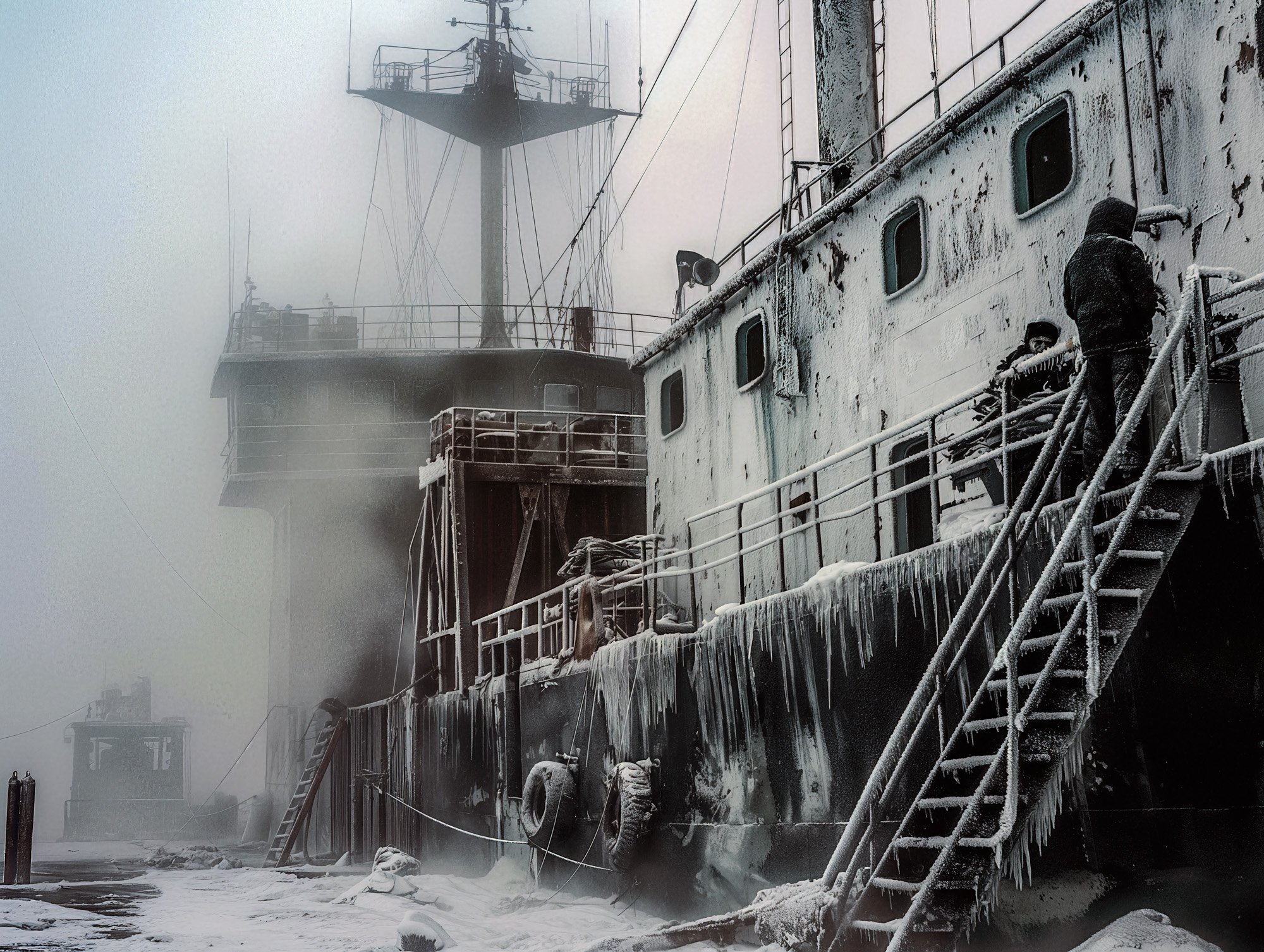
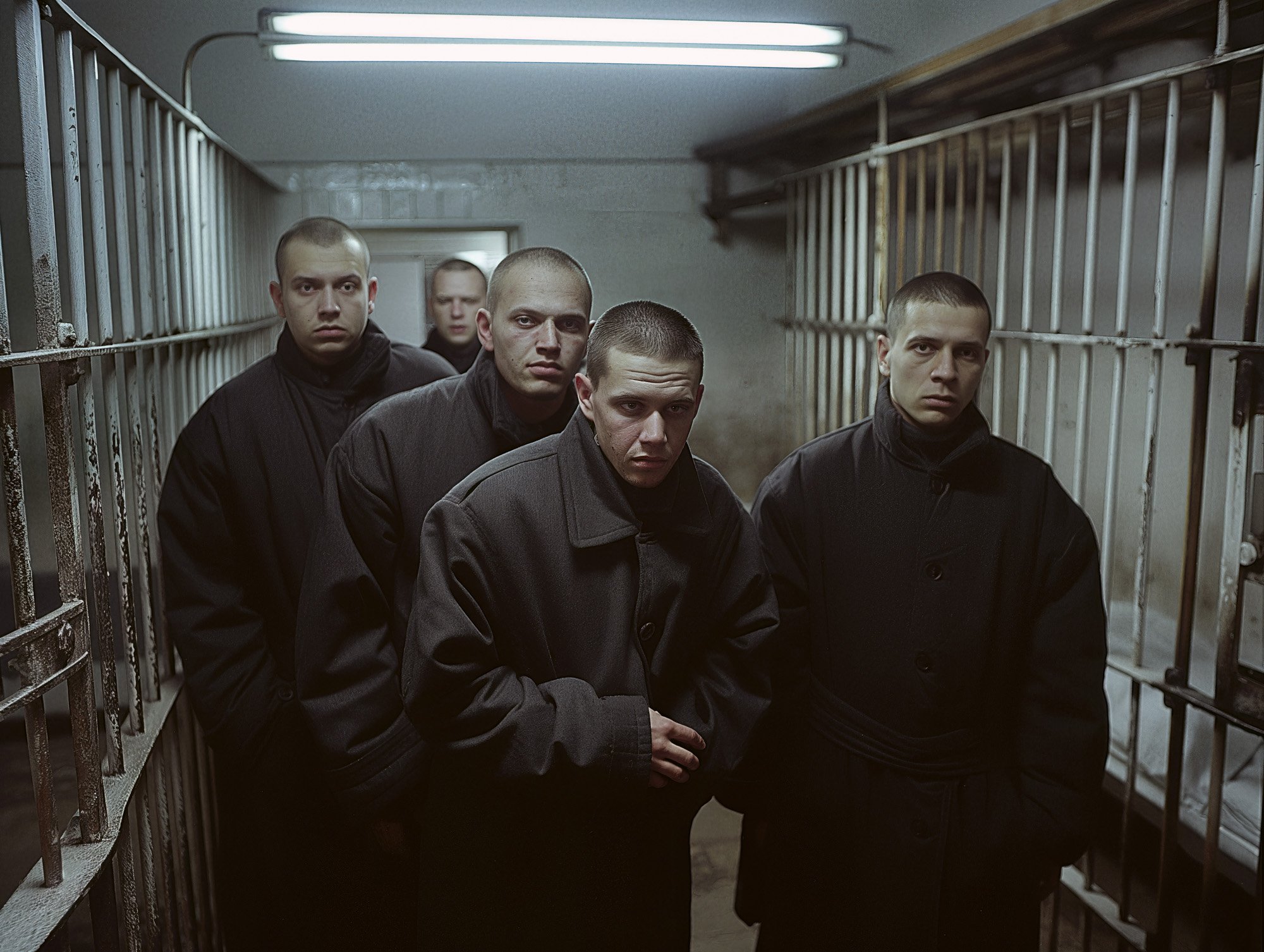
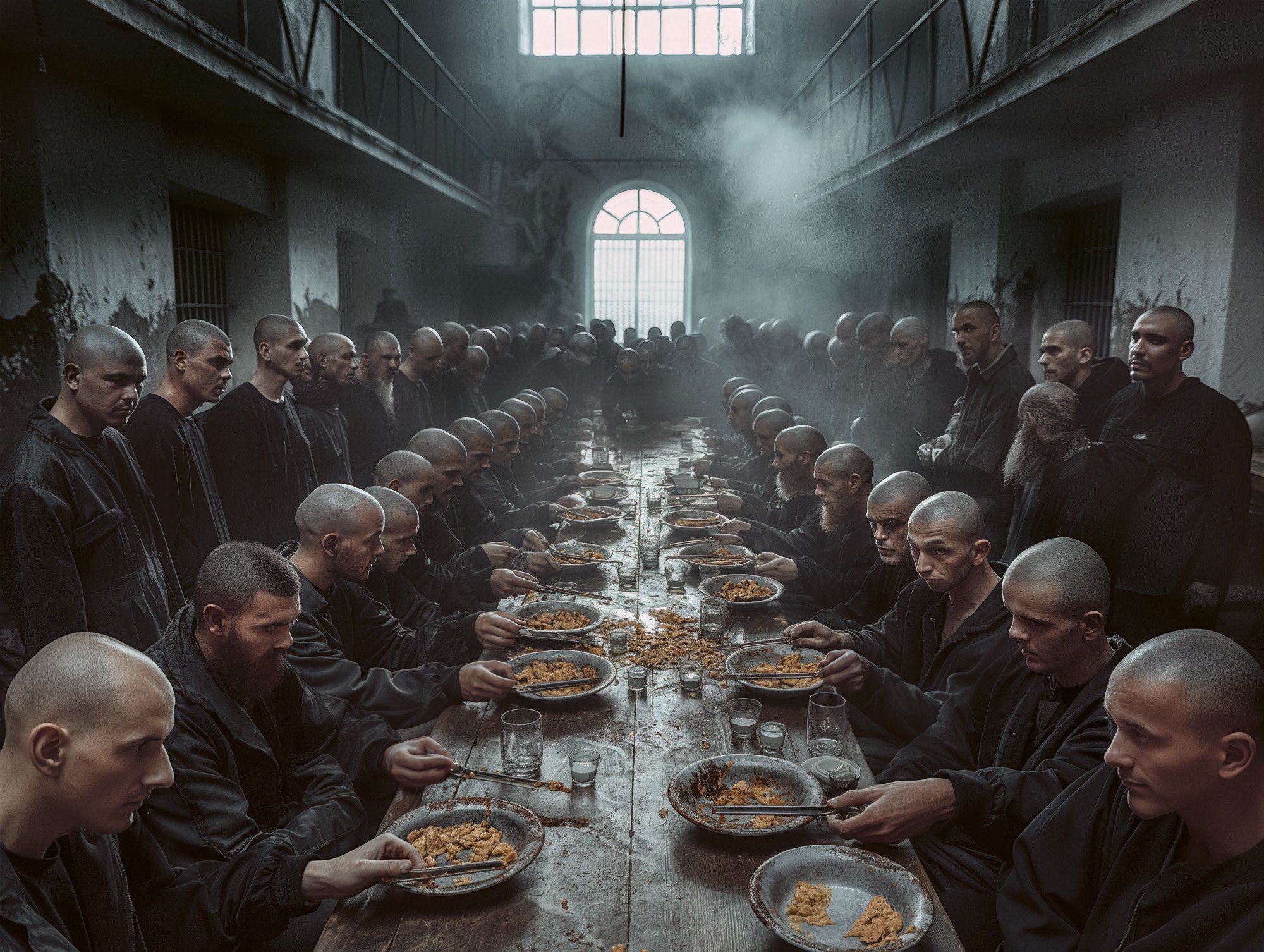
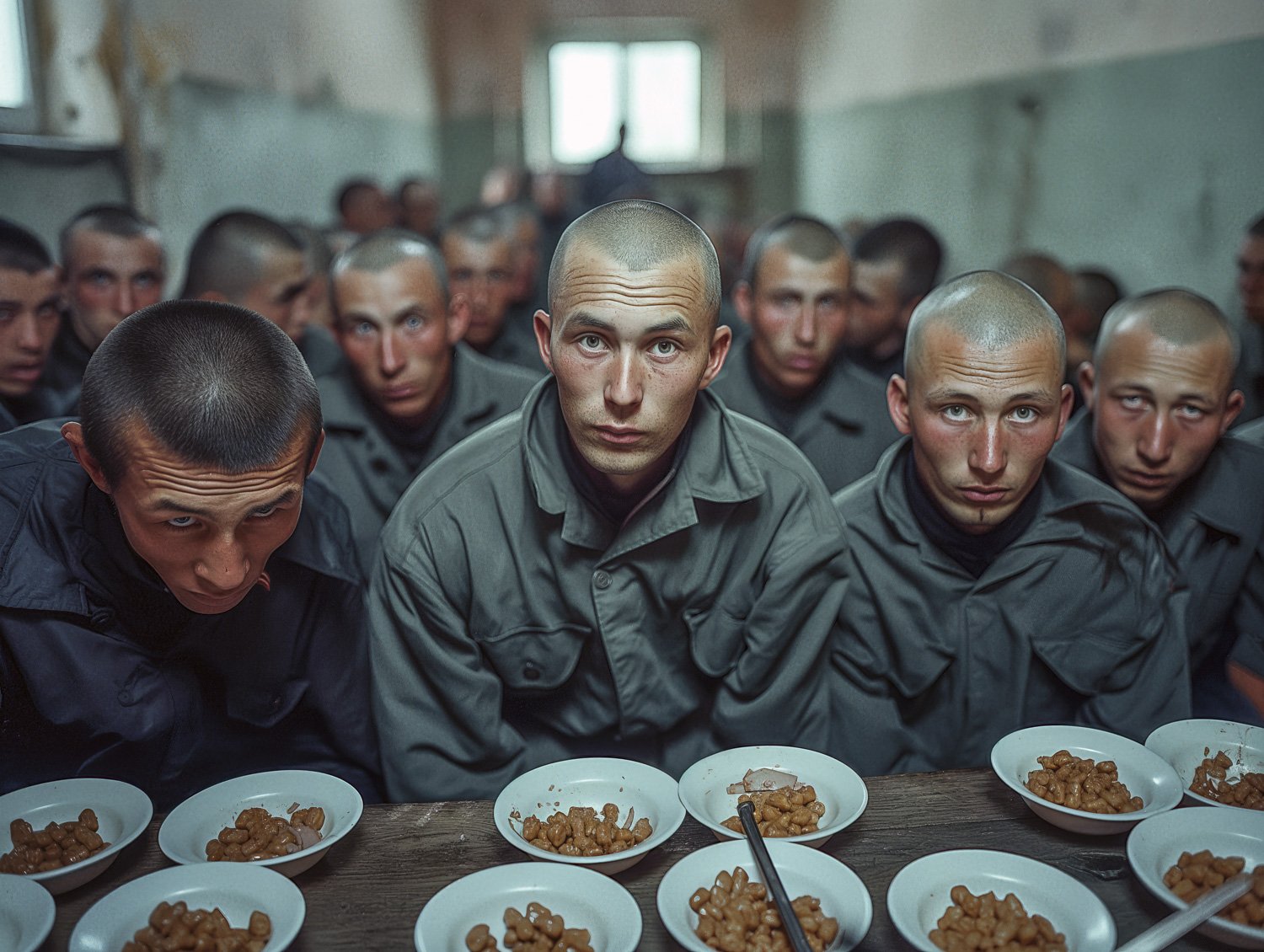
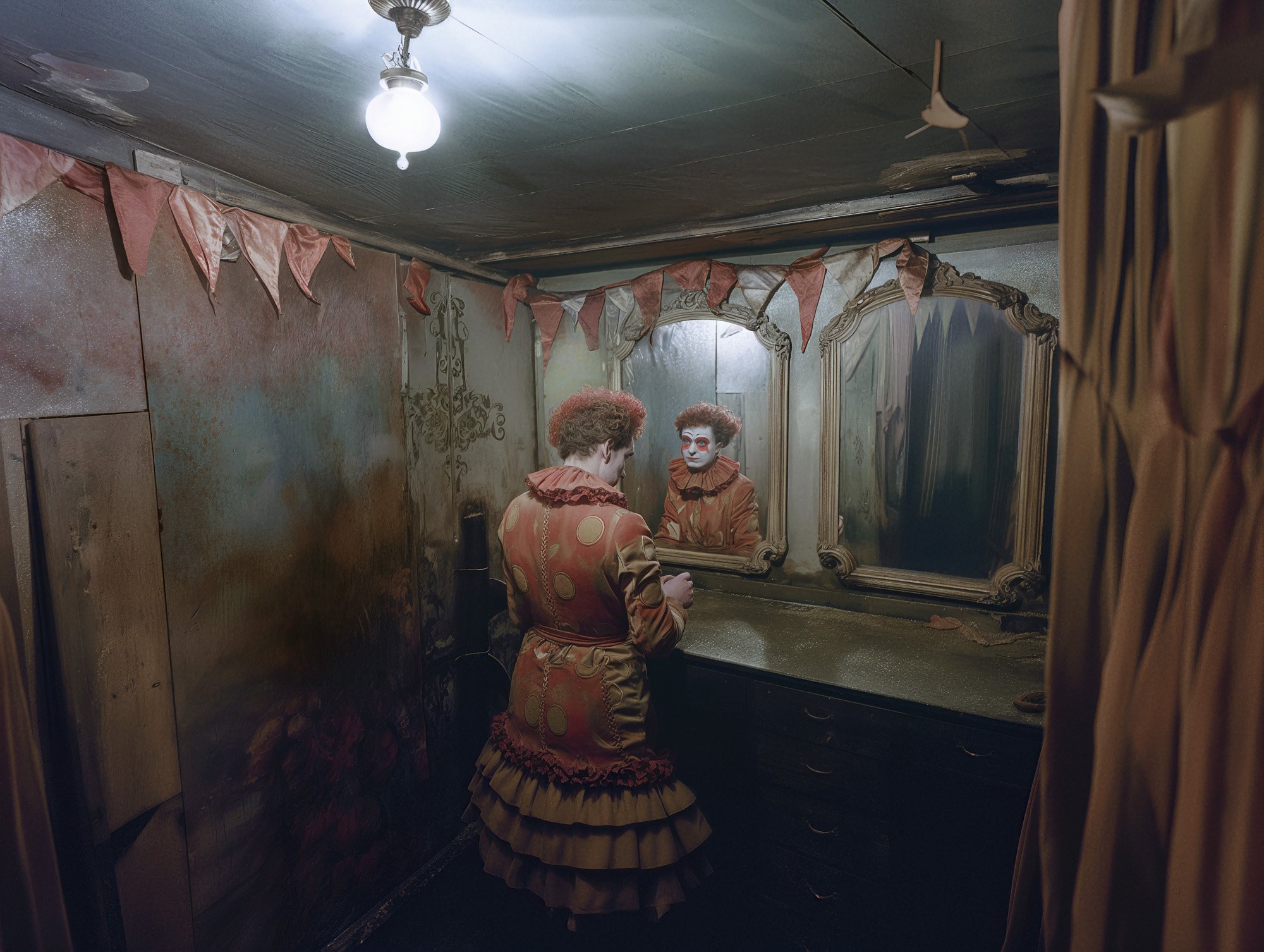
When Carl De Keyzer was about to travel to Russia in 2021 as a kind of revisiting of Homo Sovieticus (1989) and had received the official permission to do so, had already arranged his tickets, visa and guide, tensions quickly rose and tanks were suddenly amassed at the border. Fortunately, De Keyzer decided not to travel there after an attempt that had already been postponed due to Covid, because war broke out shortly after. With Putin’s Dream, Carl De Keyzer shows us in an innovative way that remains true to his oeuvre and his artistic personality, how photography and AI can form and become a symbiosis. Although AI is used and the photographer’s gaze is absorbed by the algorithmic data of the computer, De Keyzer remains the designer, the builder and the user of AI. He directs, decides, creates and makes choices based on the computer images, as befits an artist who works with available material and new technology. He not only feeds the machine with his own images (such as from Zona, 2003), with photographs of previous projects for which he traveled abroad, he ultimately adjusts AI by, for example, teaching the system to think asymmetrically. This is how AI learns from what De Keyzer decides and does as a photographer. The power and the essence of documentary photography, which De Keyzer has been associated with for decades and in which he is a grandmaster, is like hyperrealism: collecting and revealing (the truth of) the reality that the photographer was confronted with at a certain time in the given circumstances, without staging, as a kind of statement against fake news. But now the computer has become the camera as a journey through the virtual that Carl De Keyzer can make in his living room, so to speak, without having to travel and while he can visit locations repeatedly on the screen. Independent of time and circumstance, the image/imagination is created. A new reality emerges, while at the same time that reality reveals what may be unfolding in Putin’s head as a fictional story.
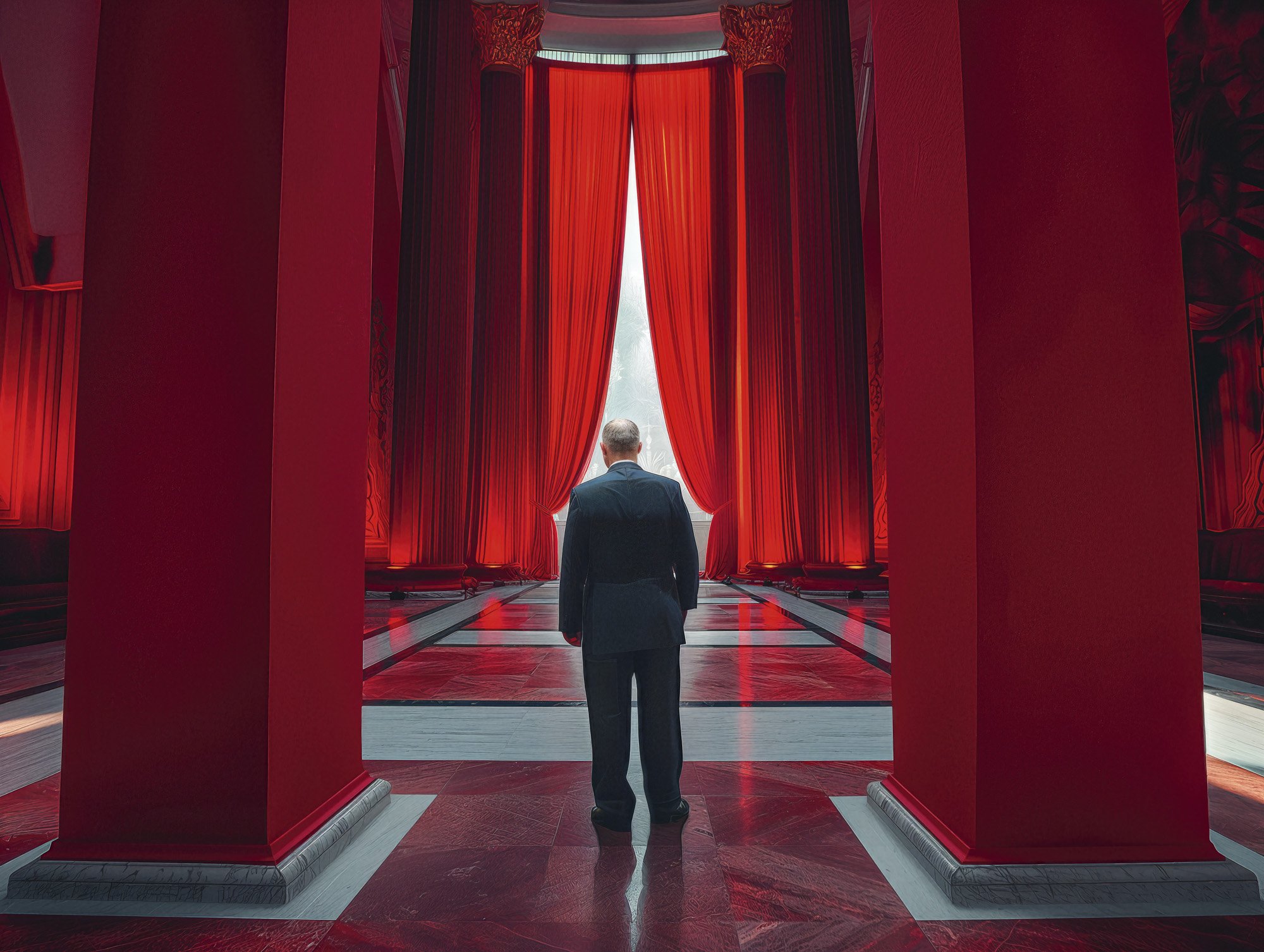
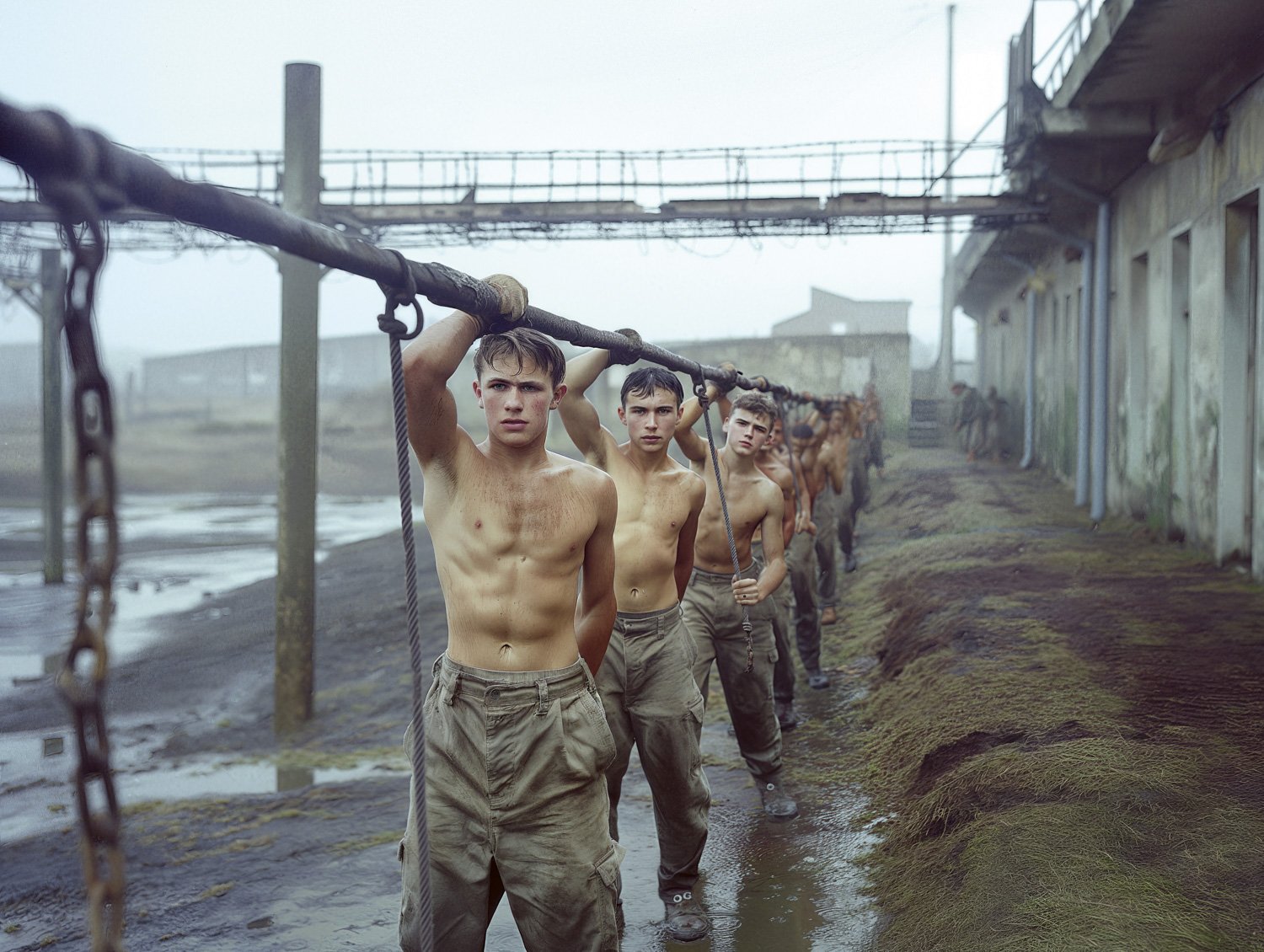
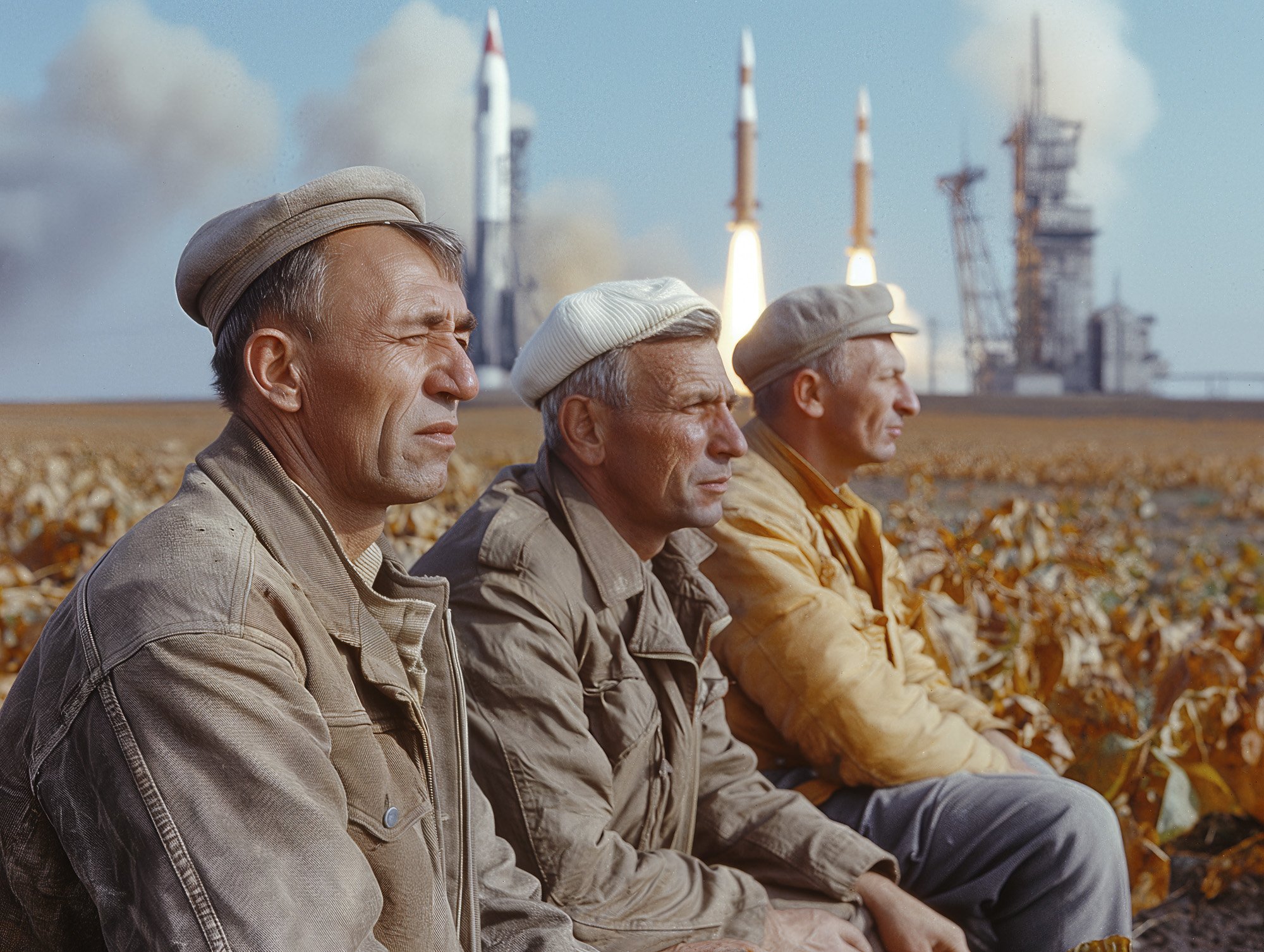
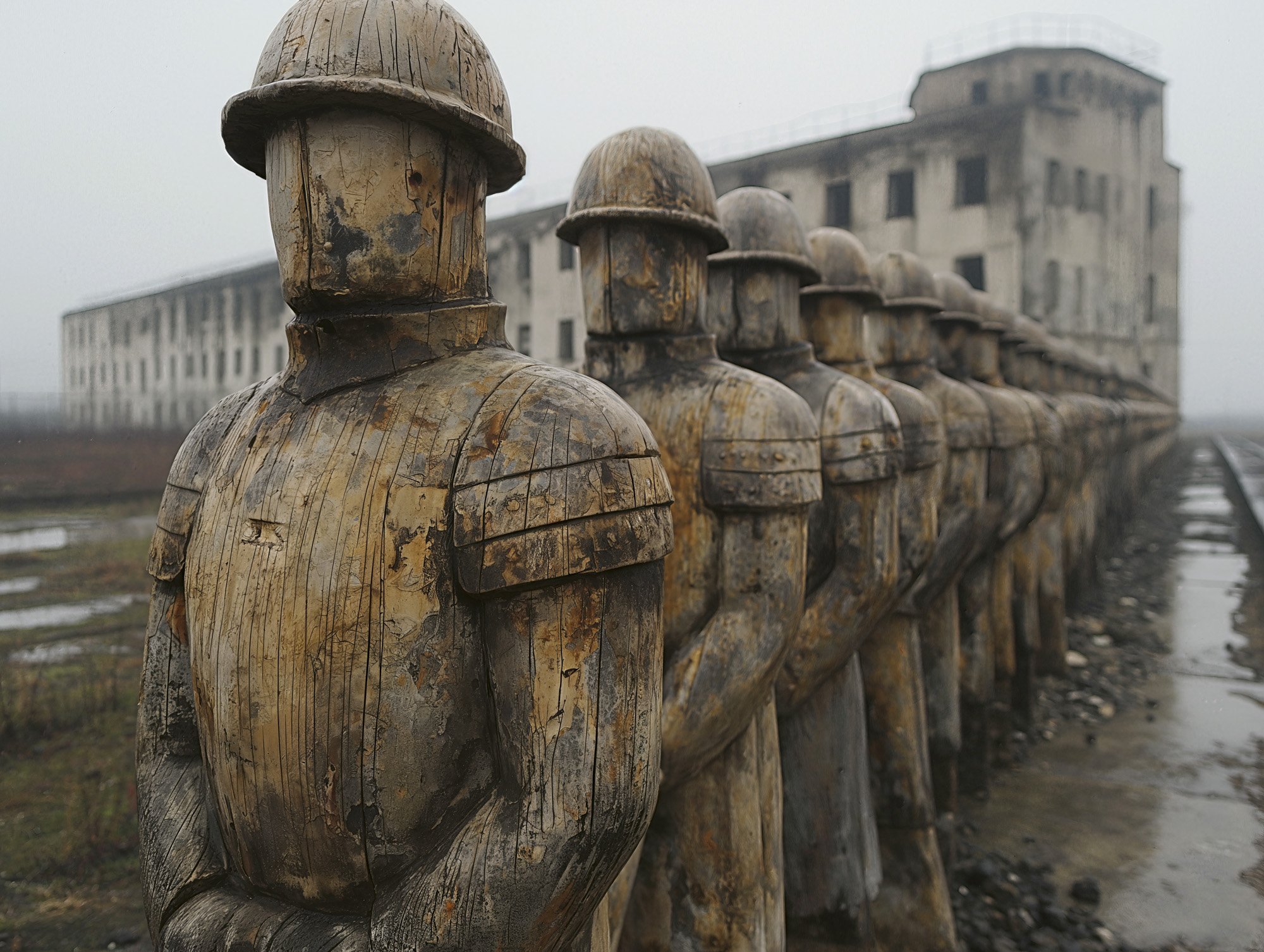
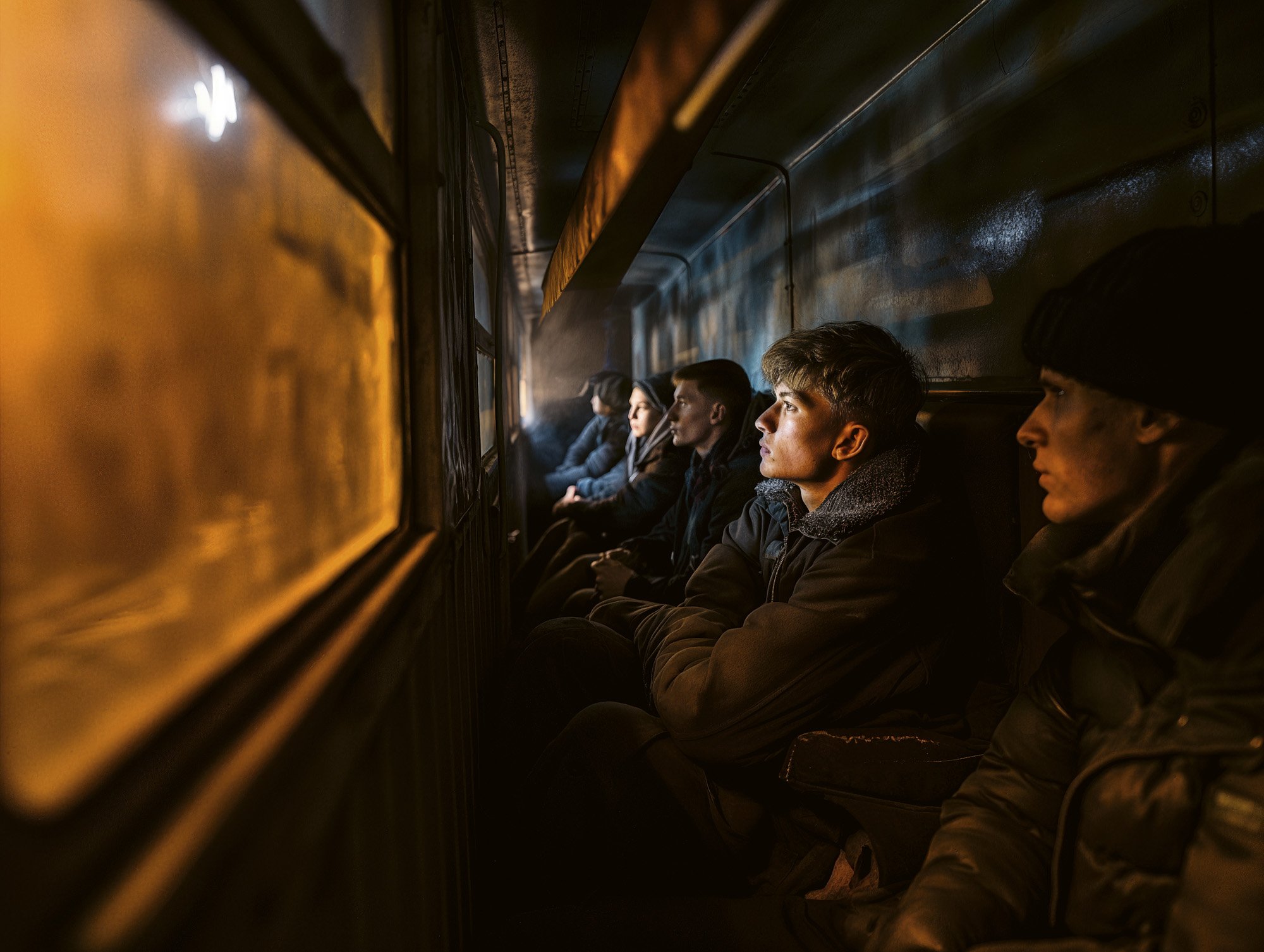
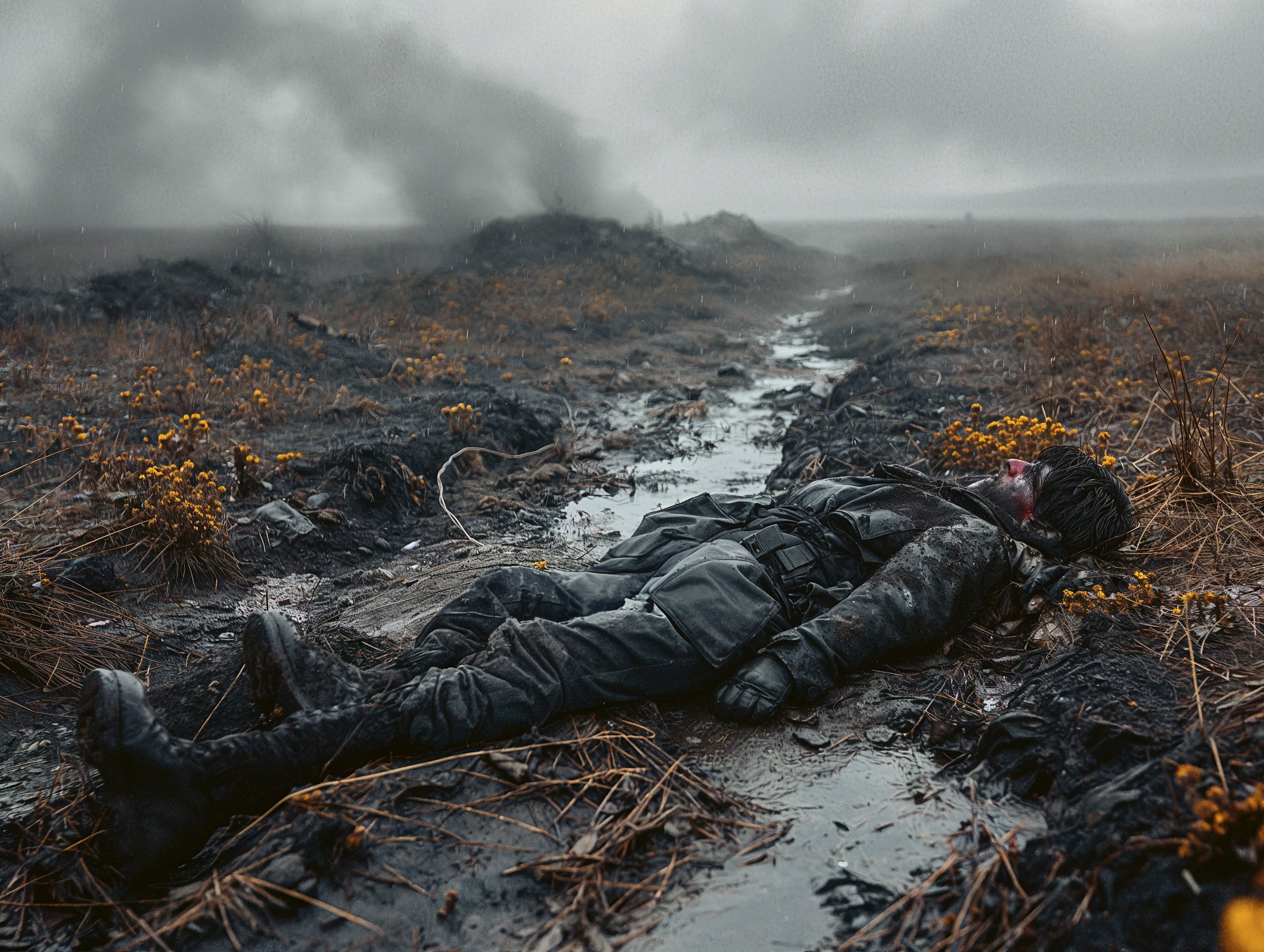
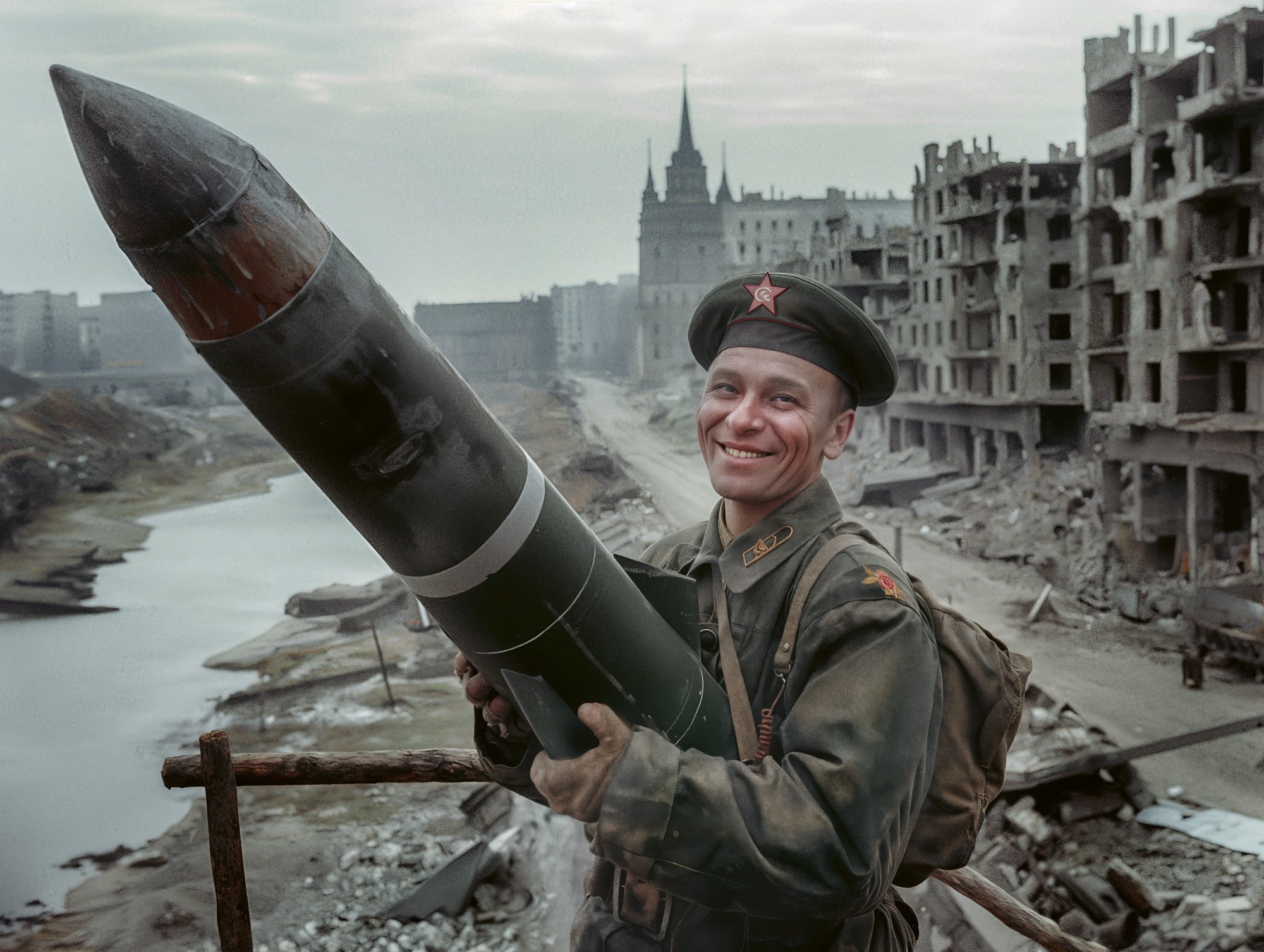
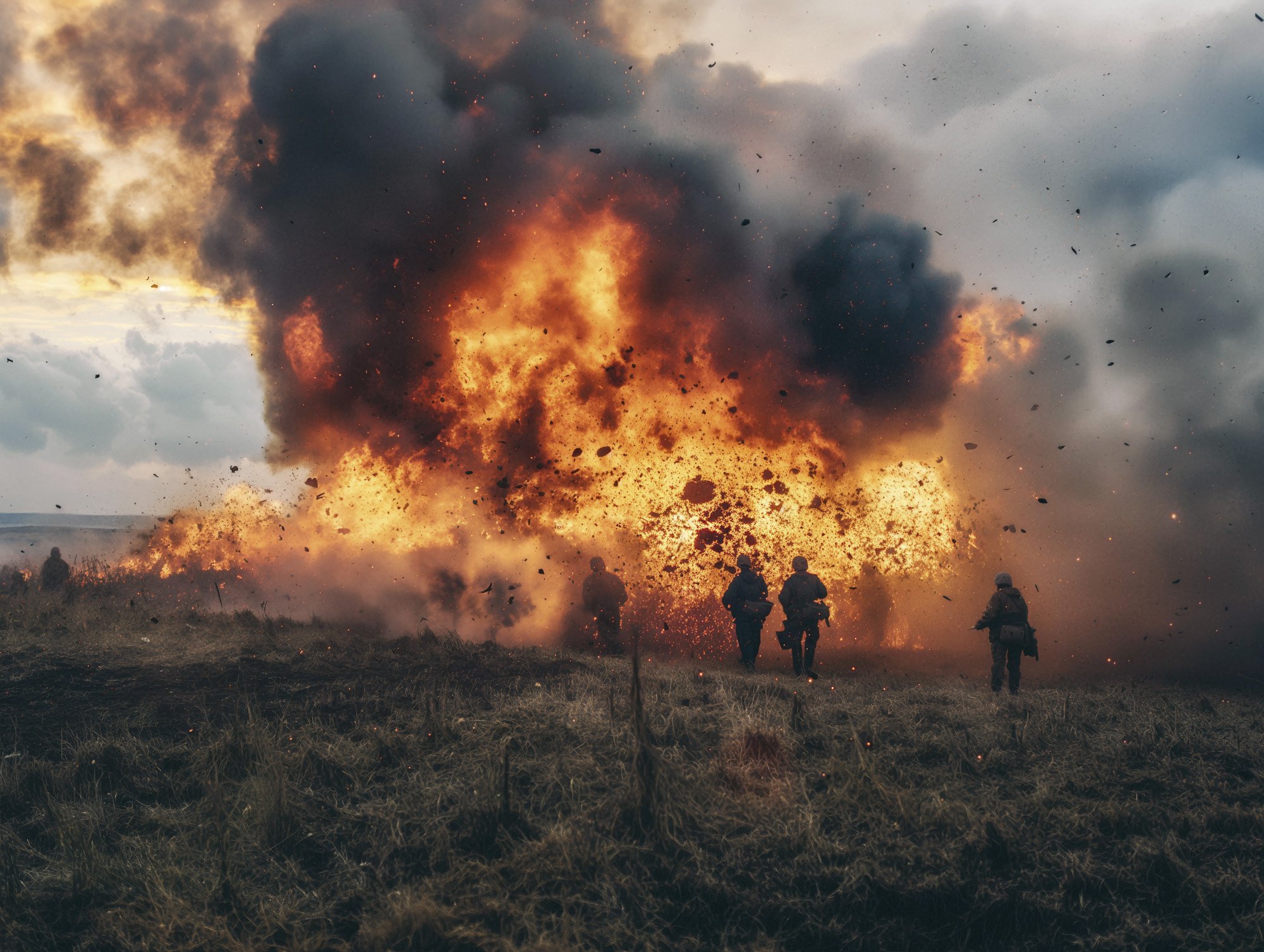
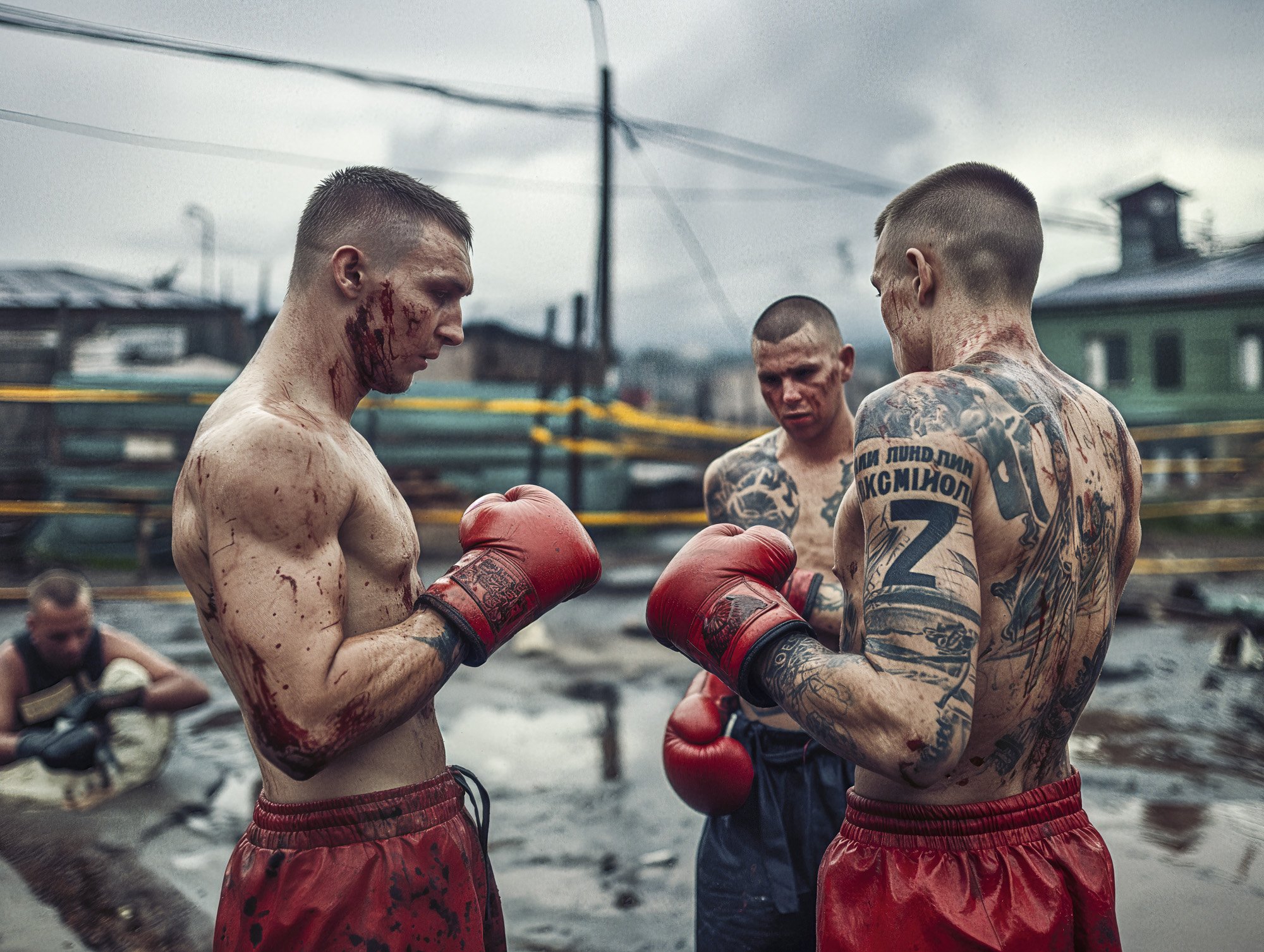
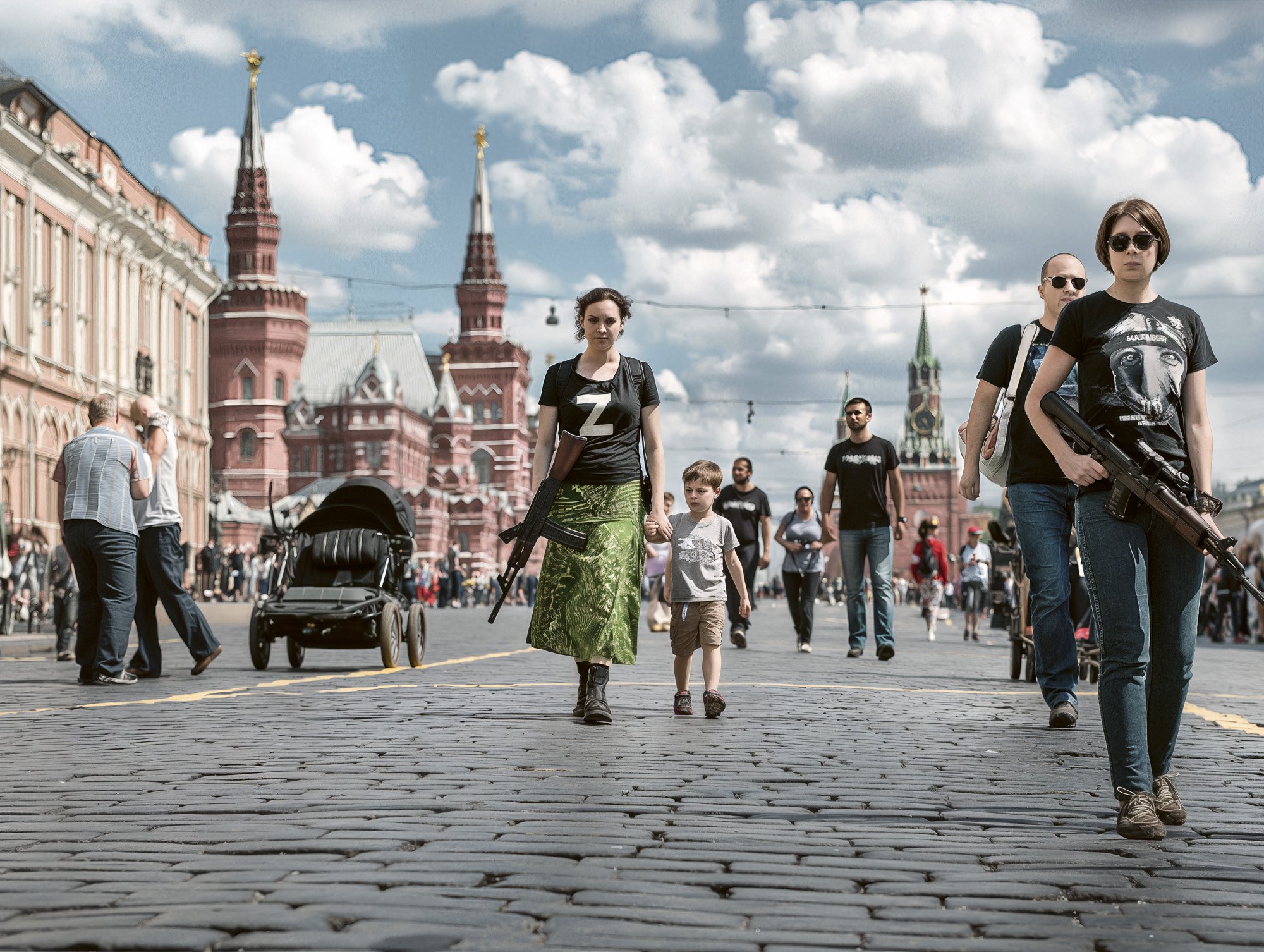
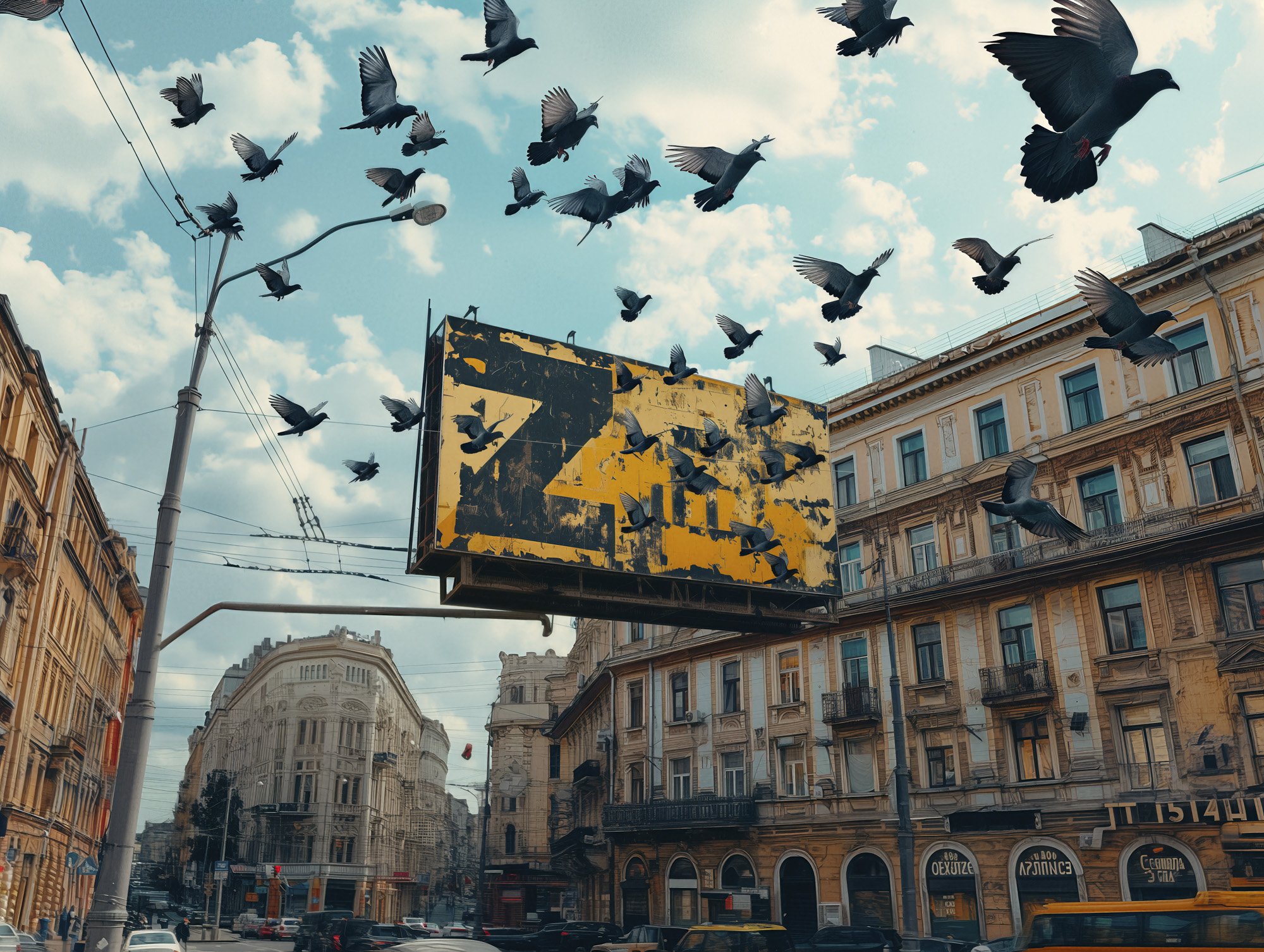
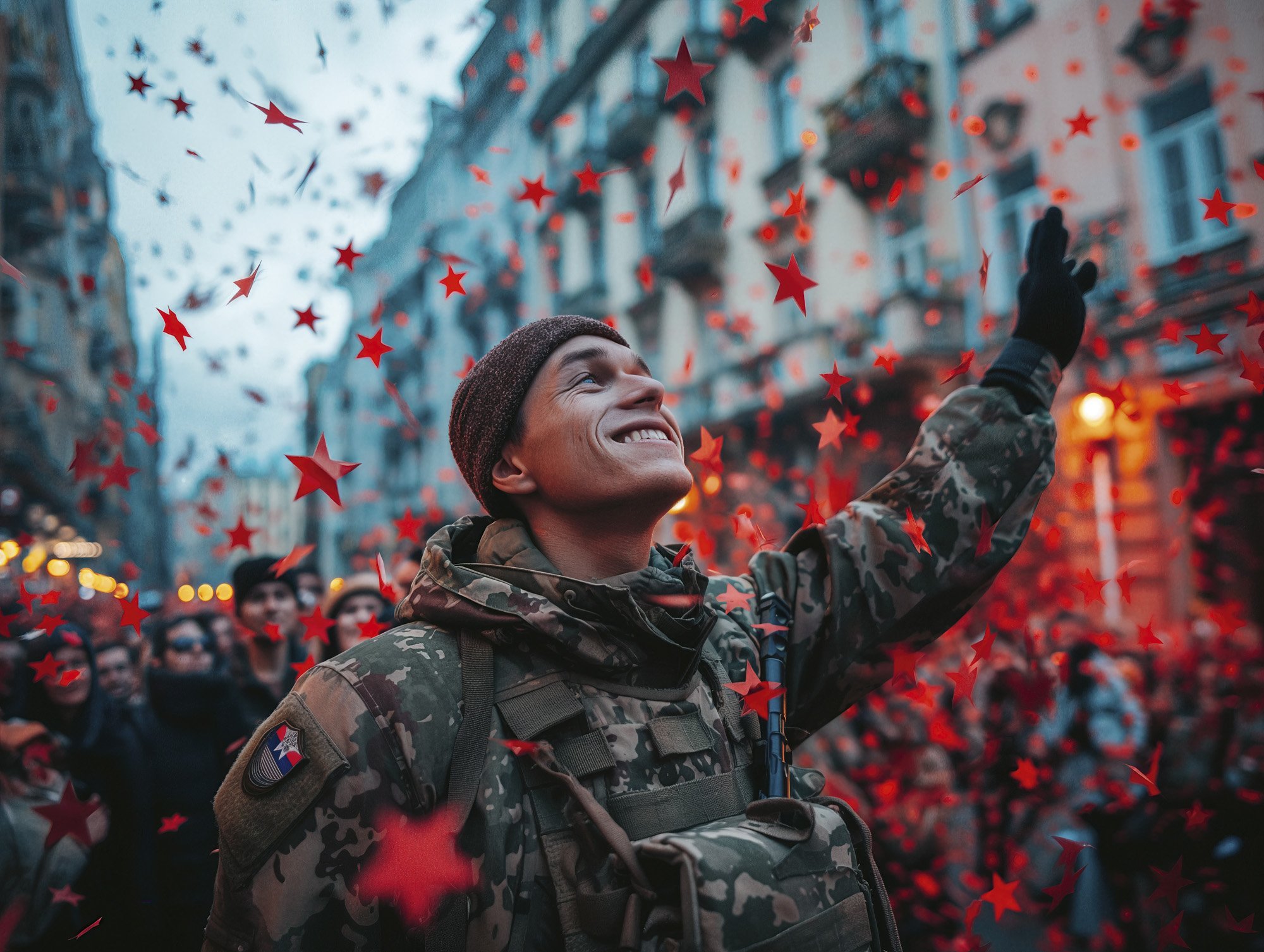
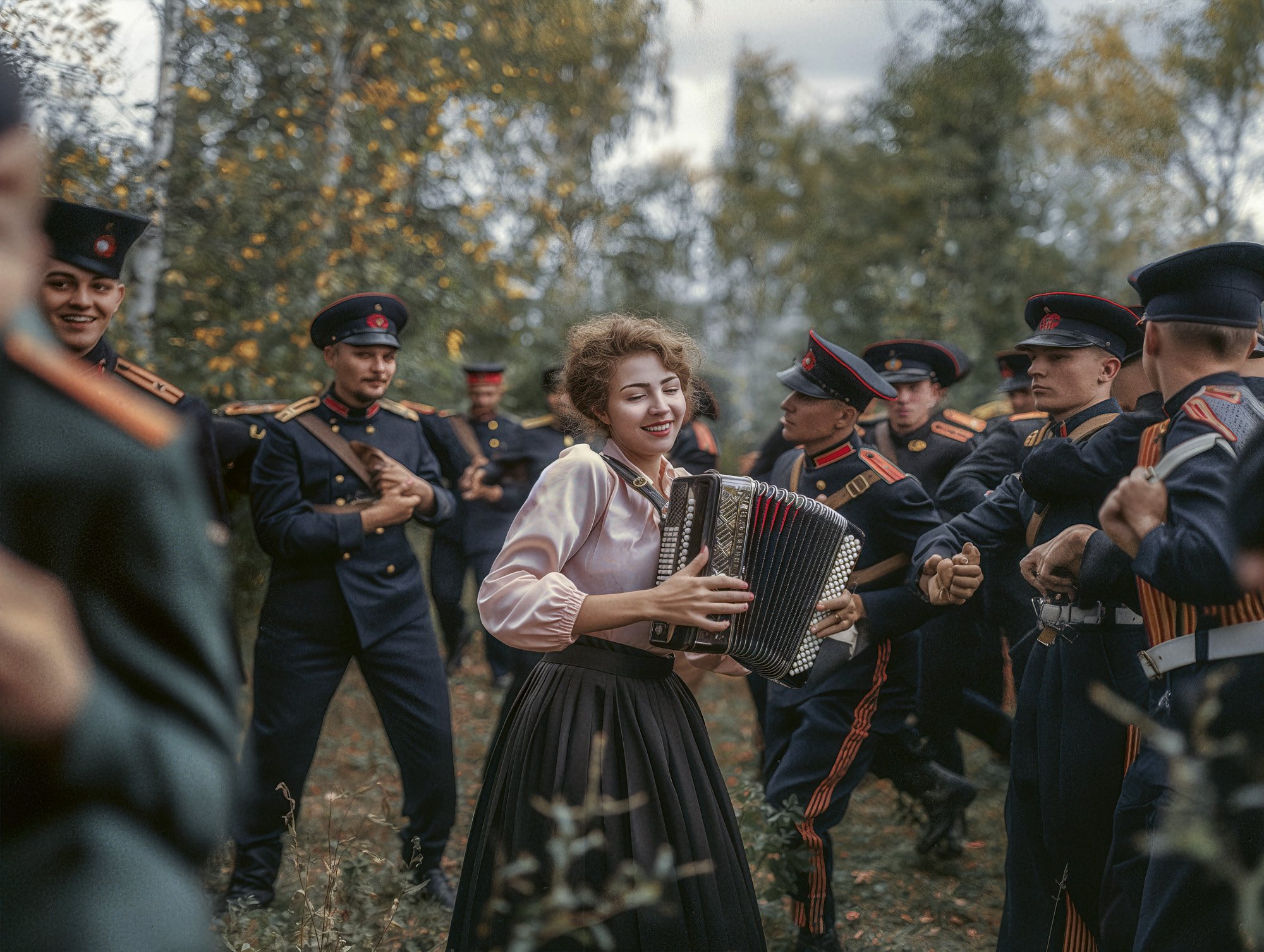
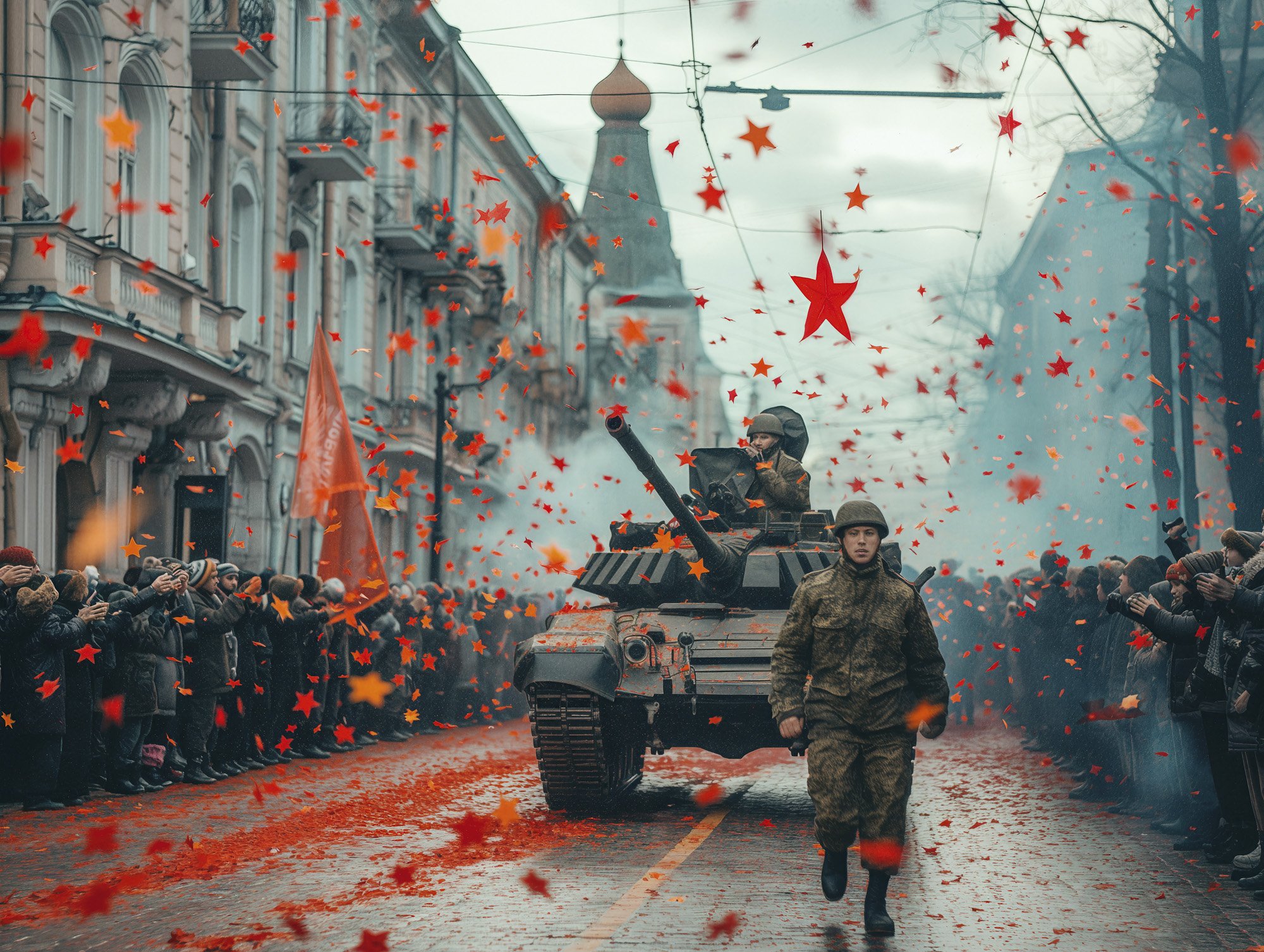
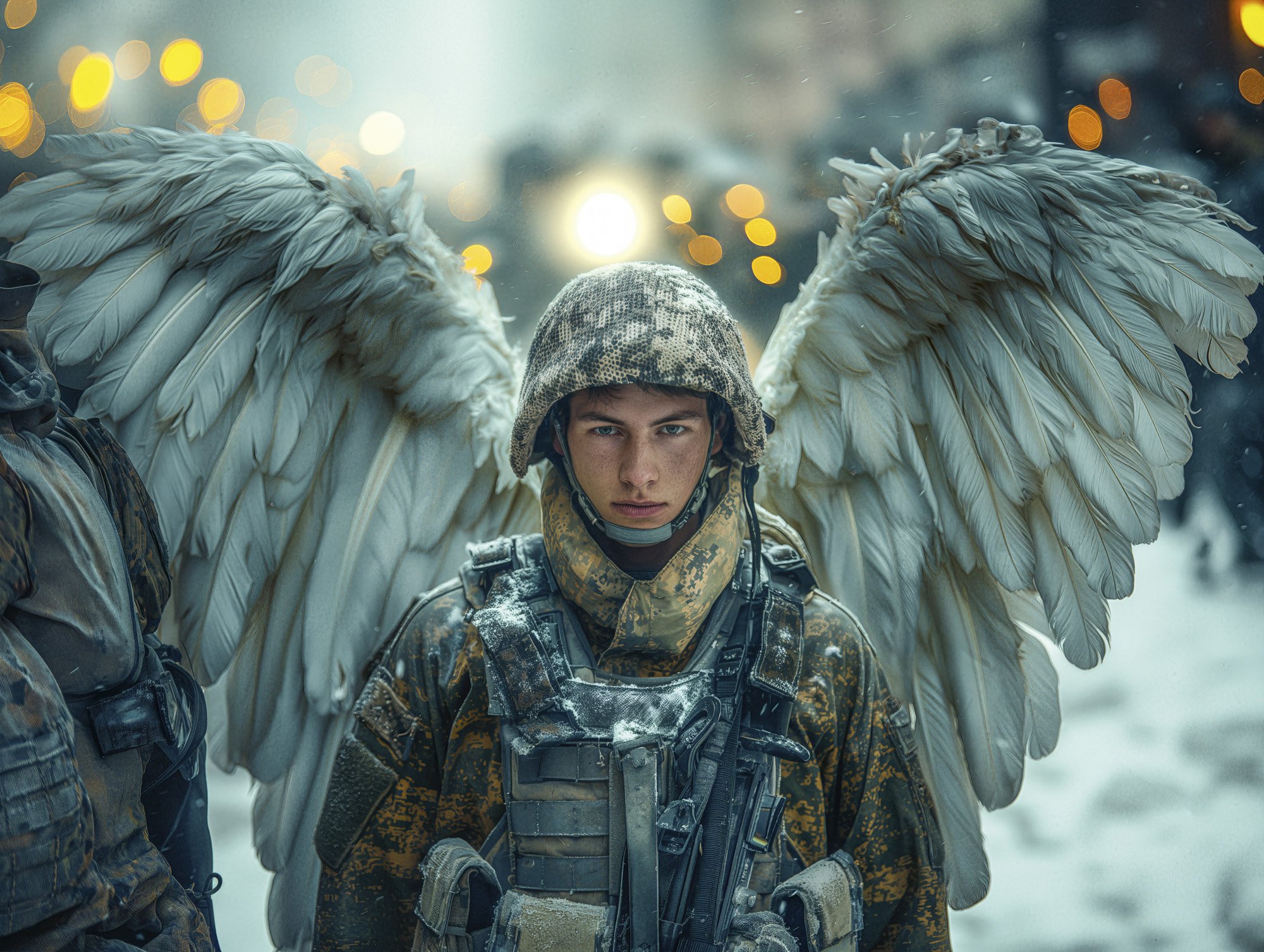
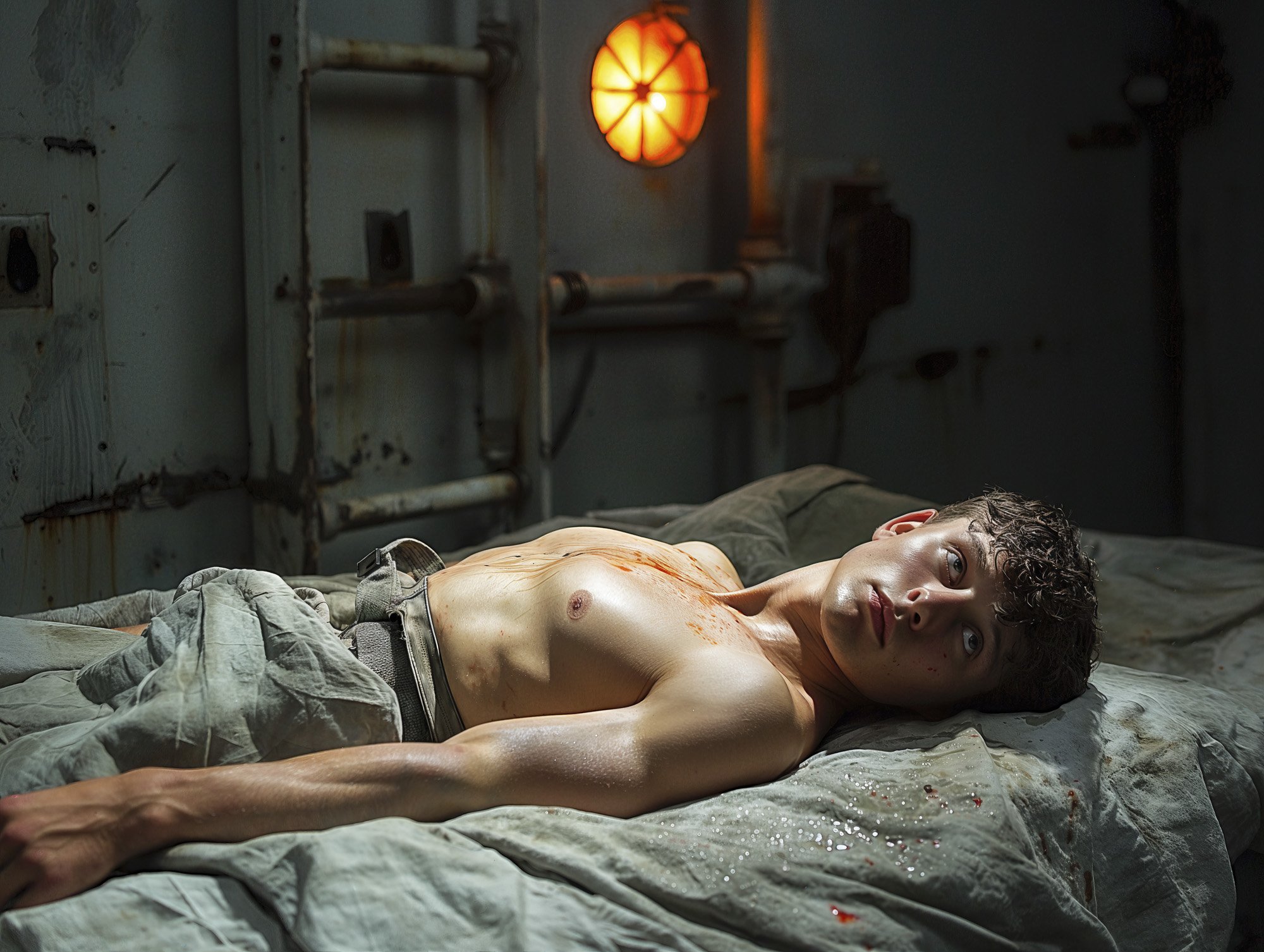
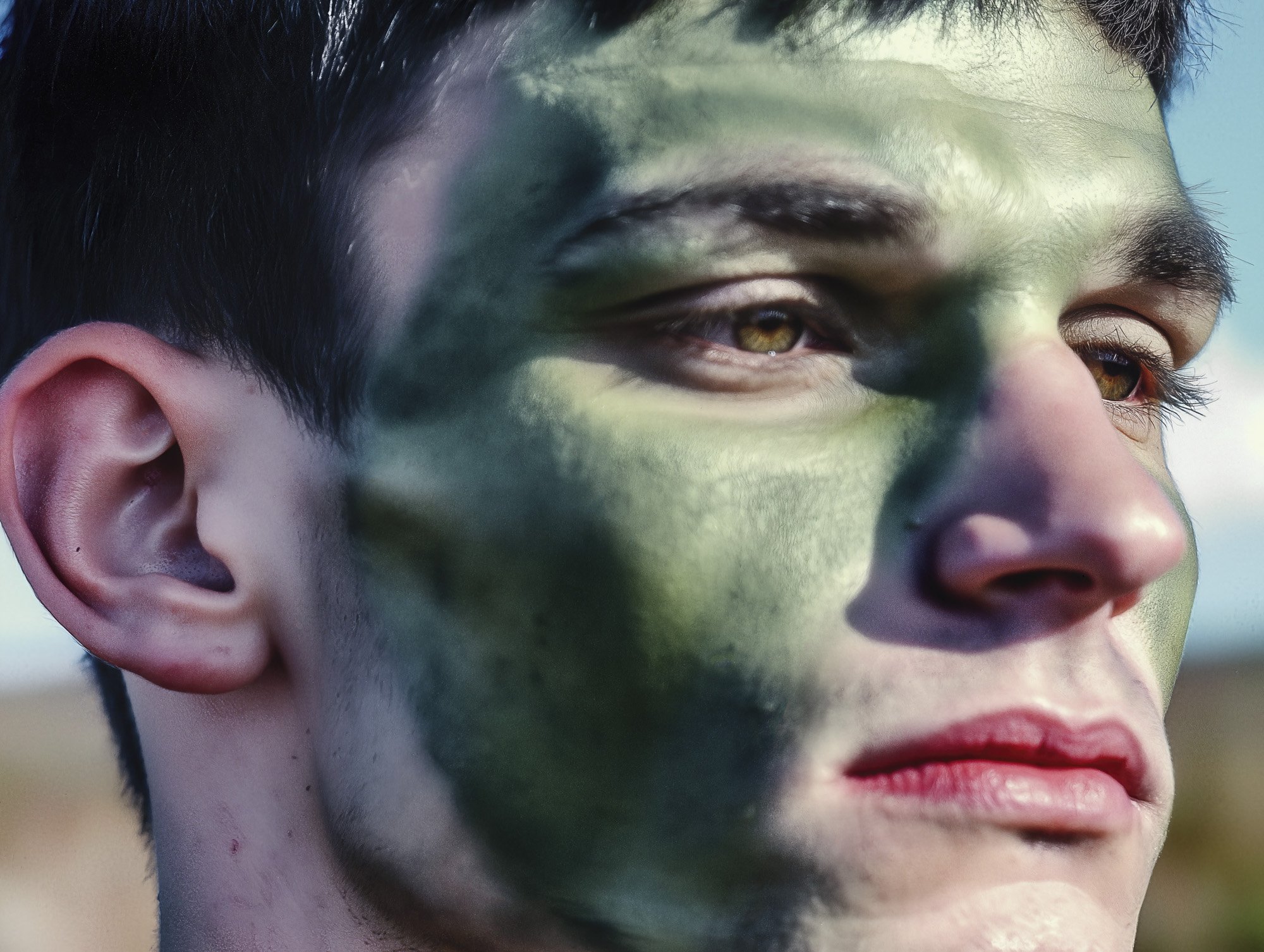
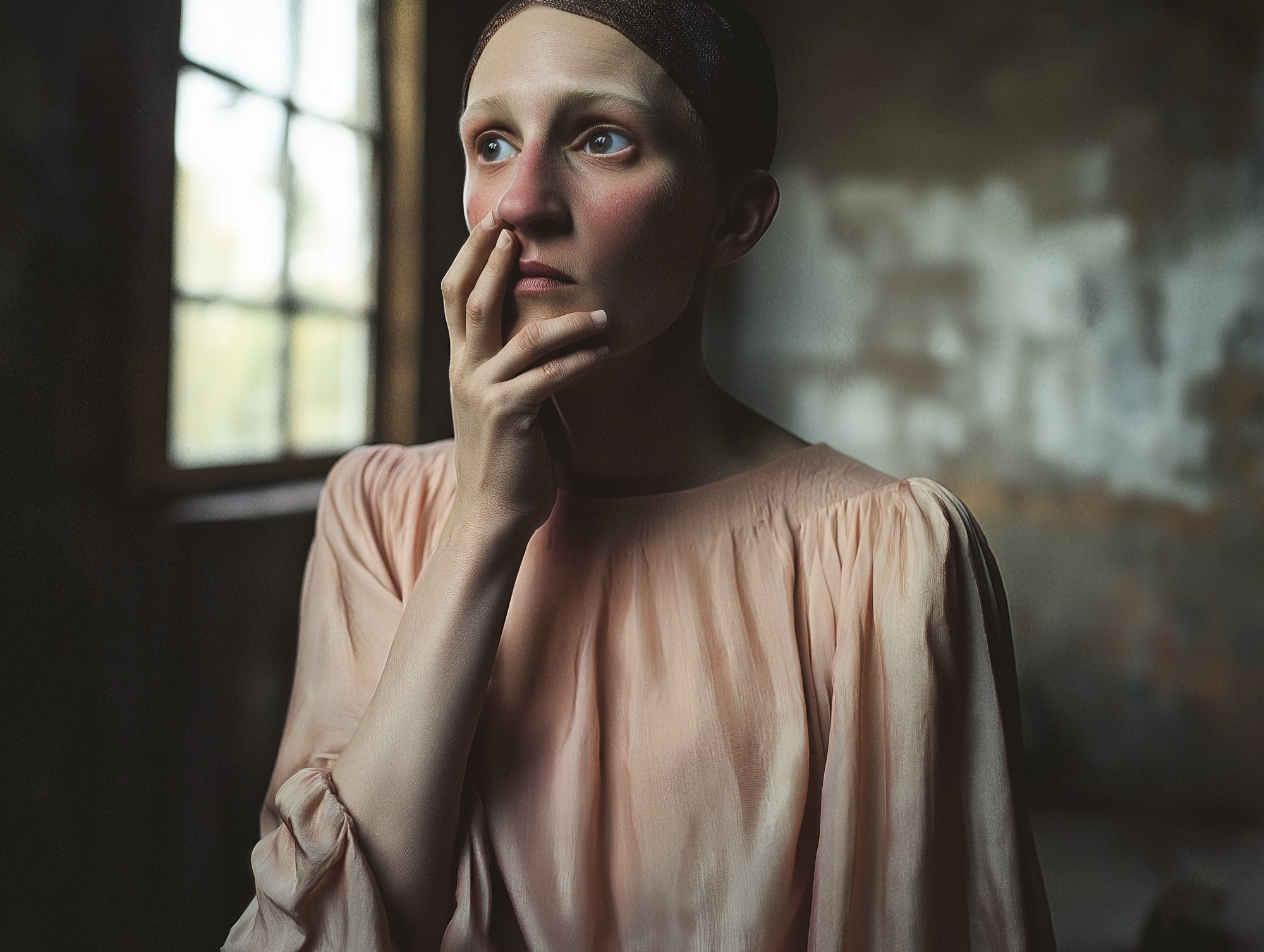
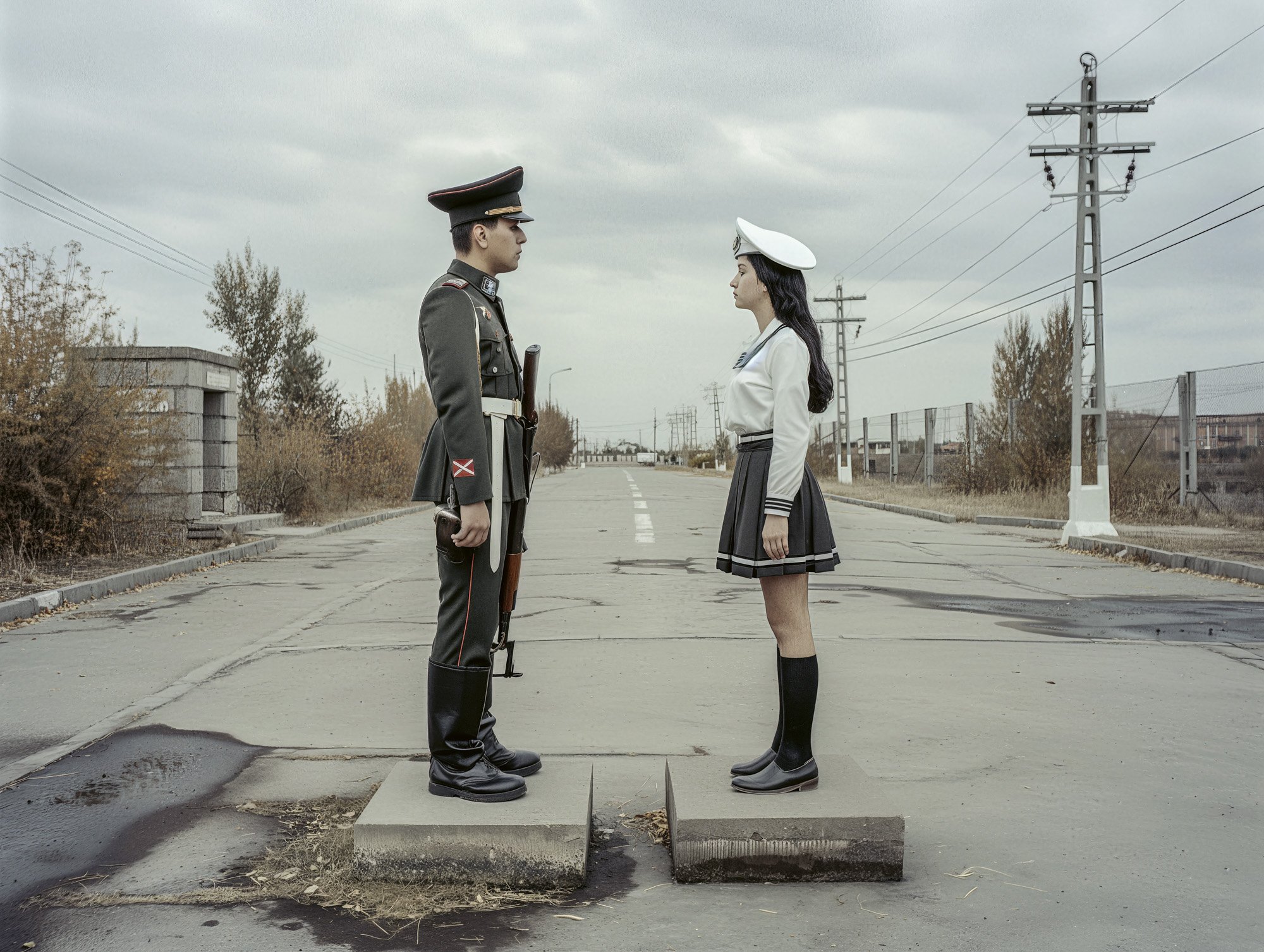
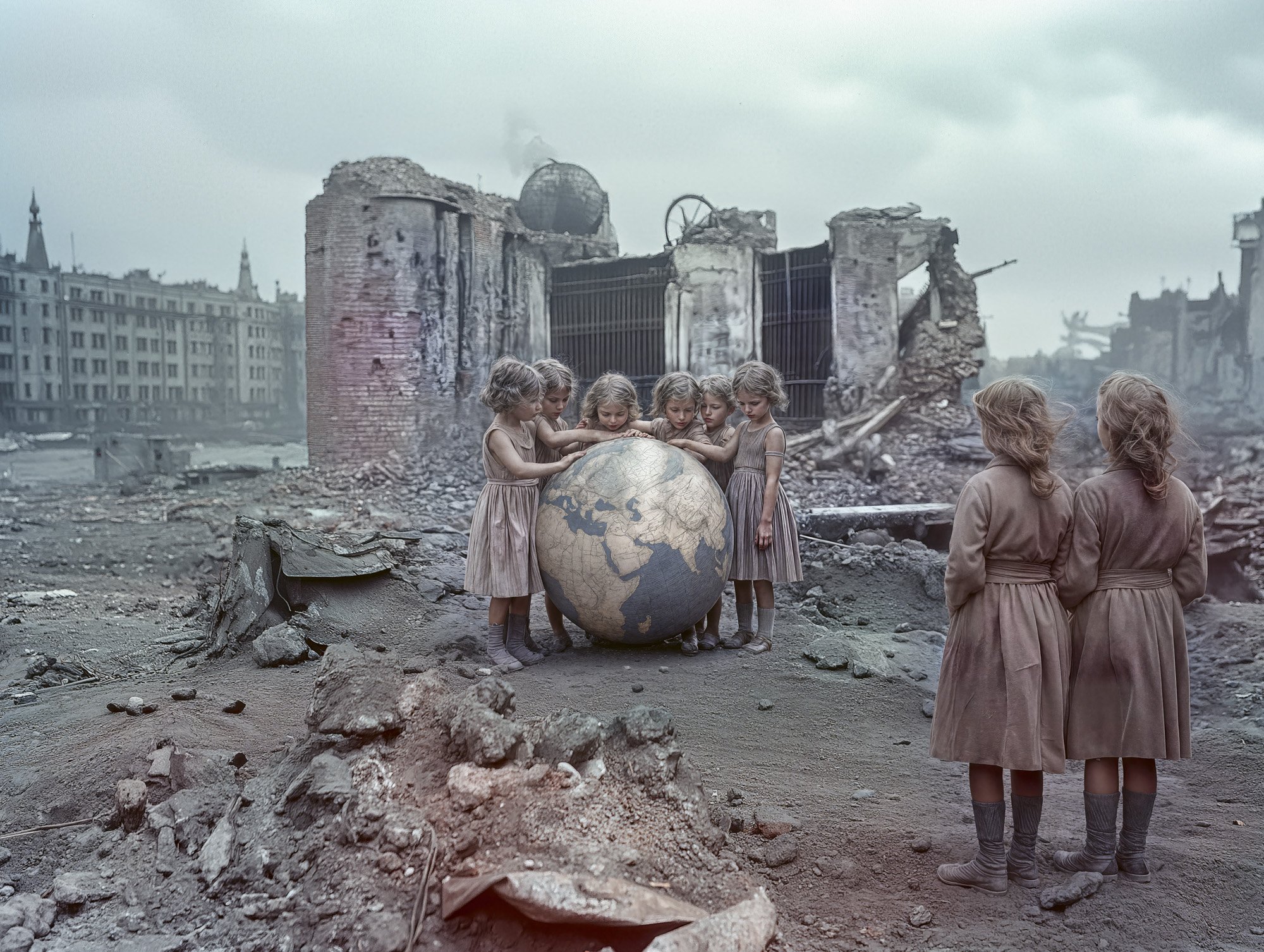
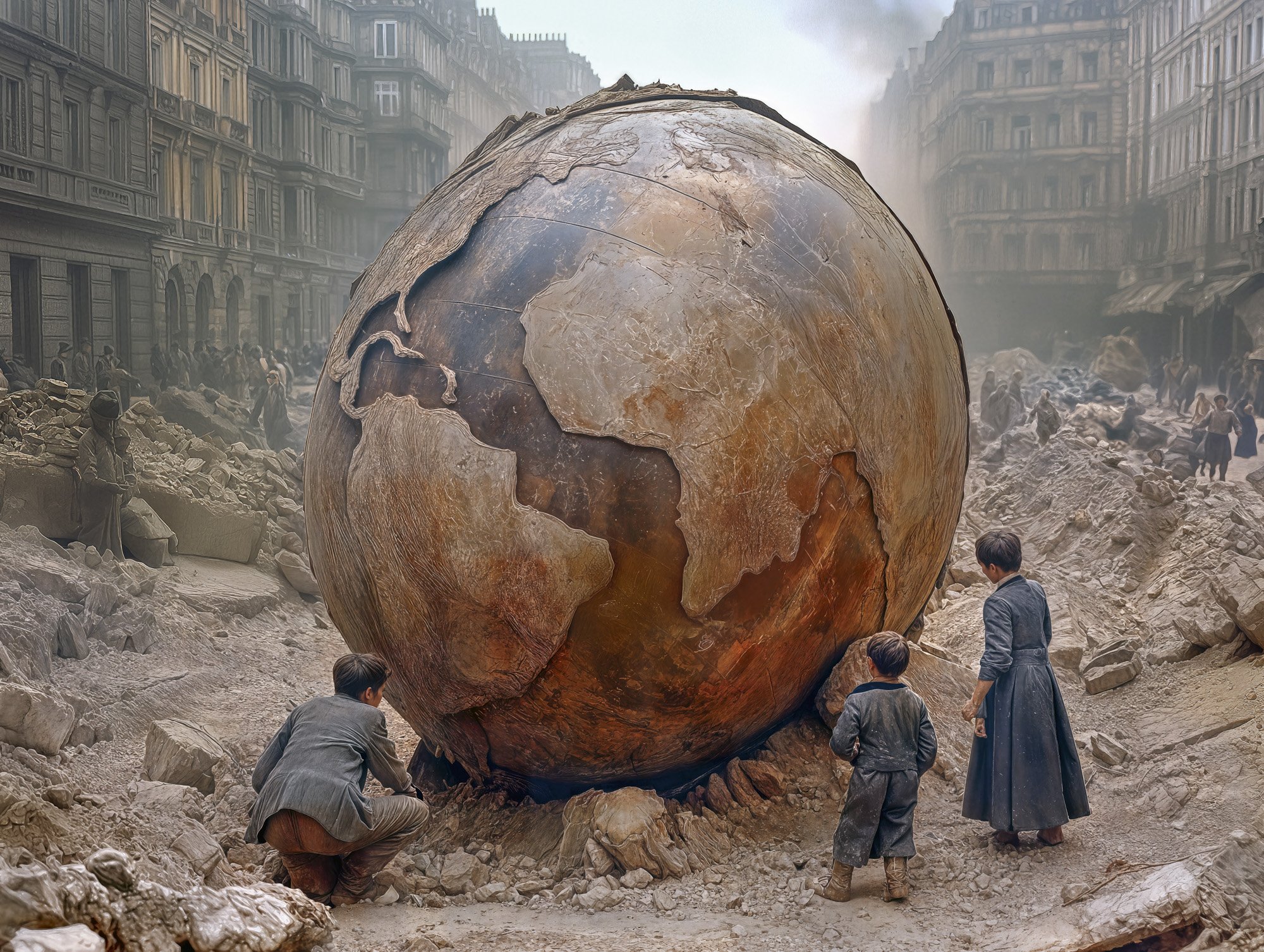
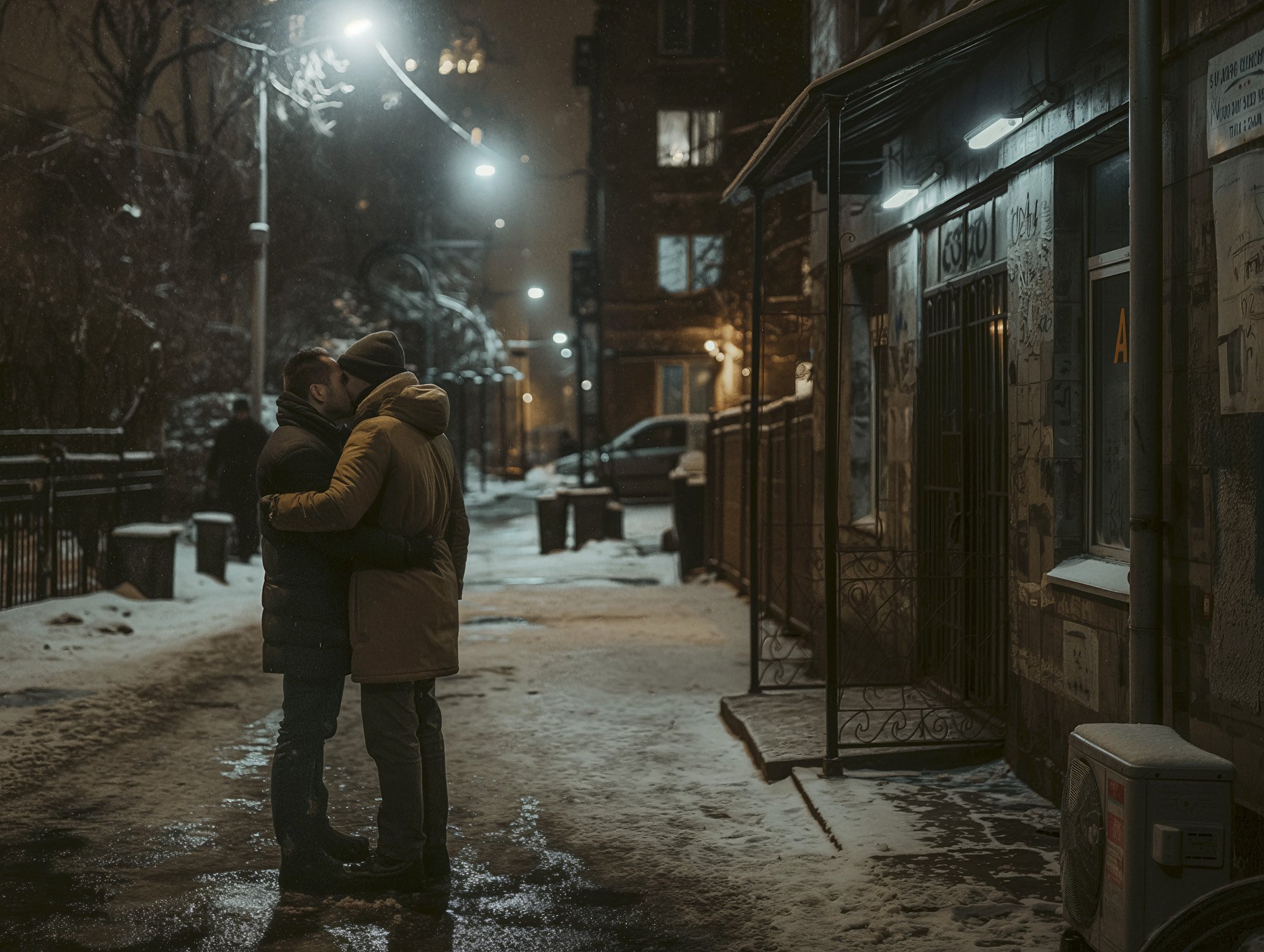
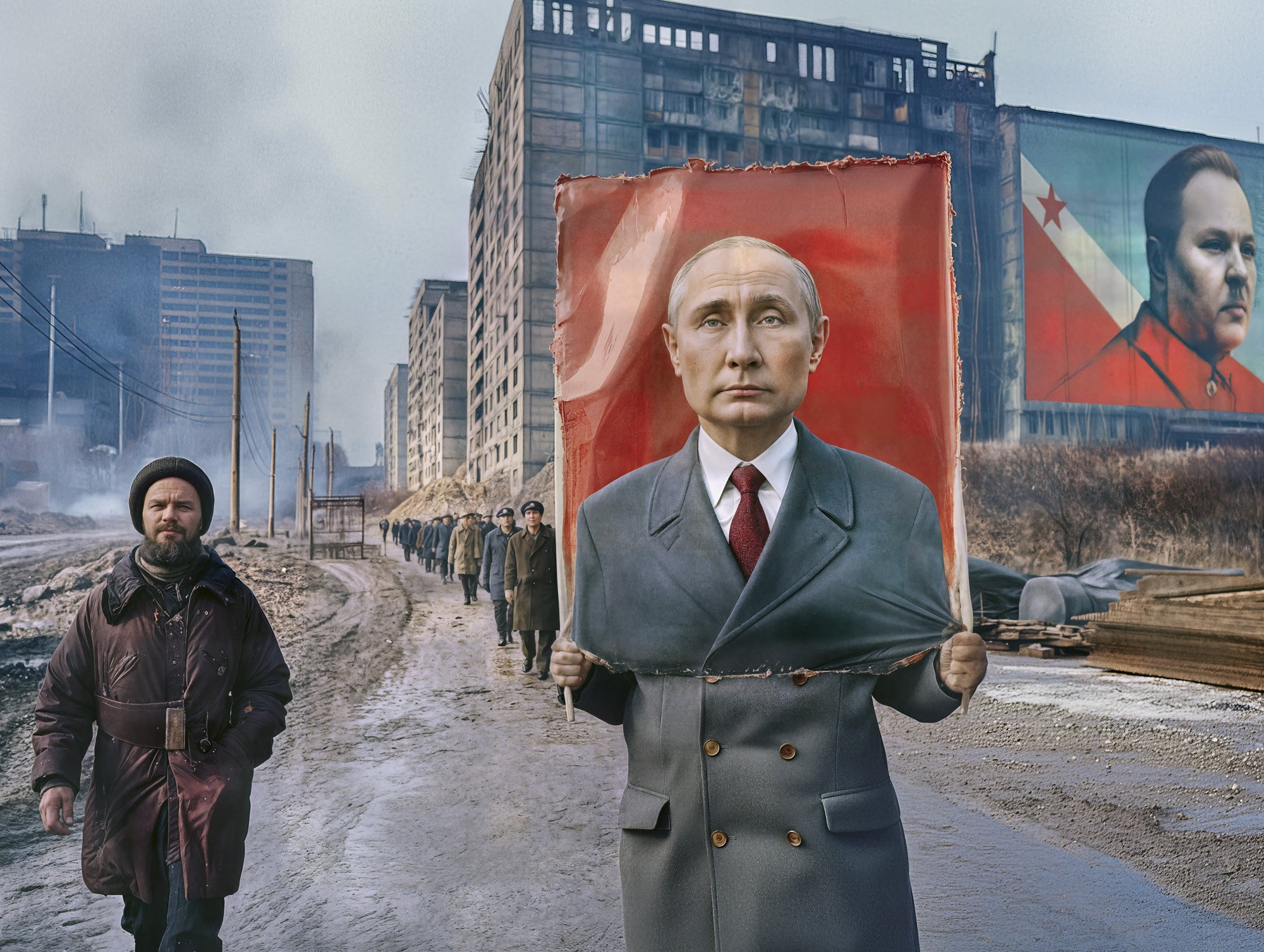
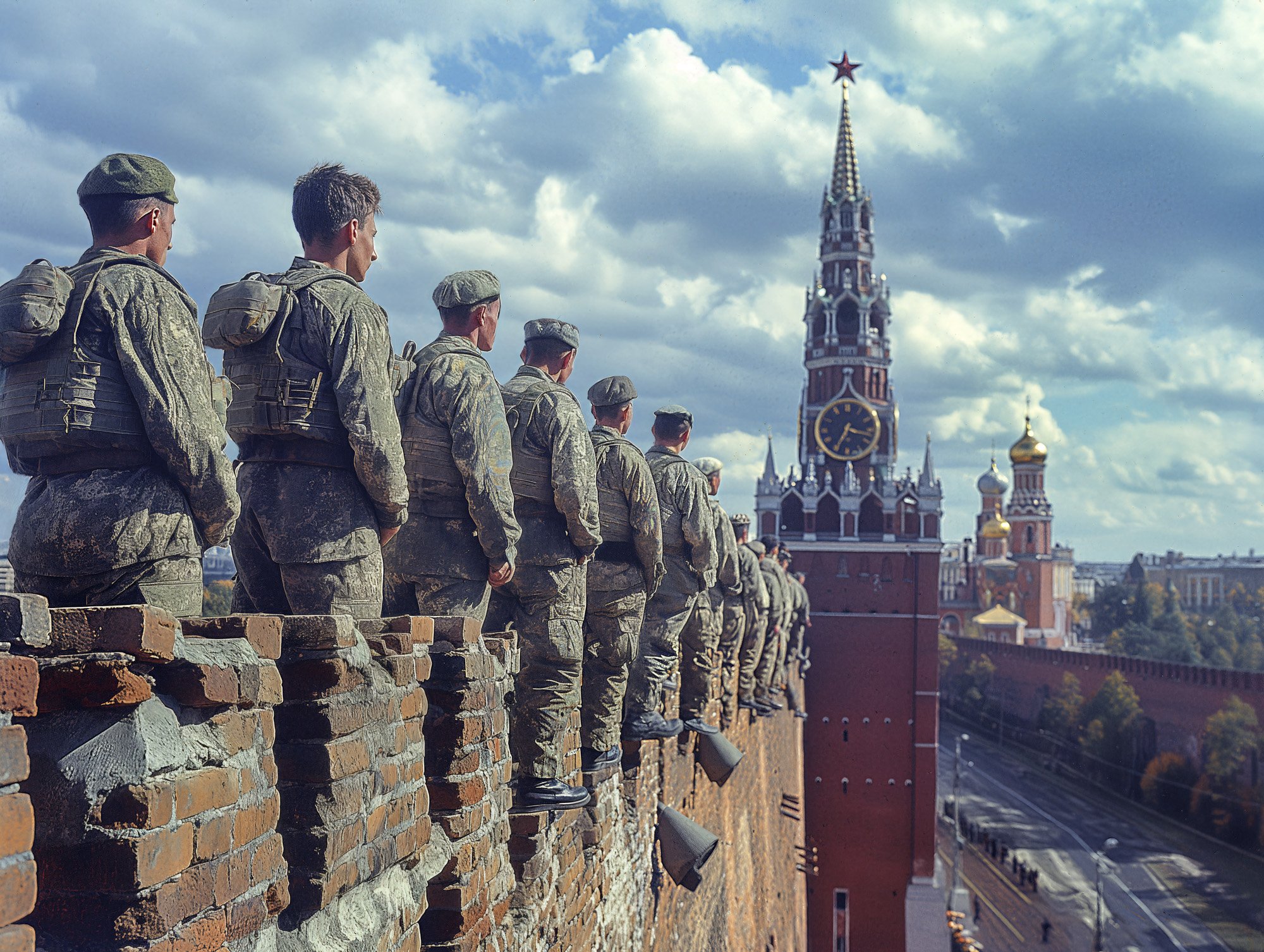
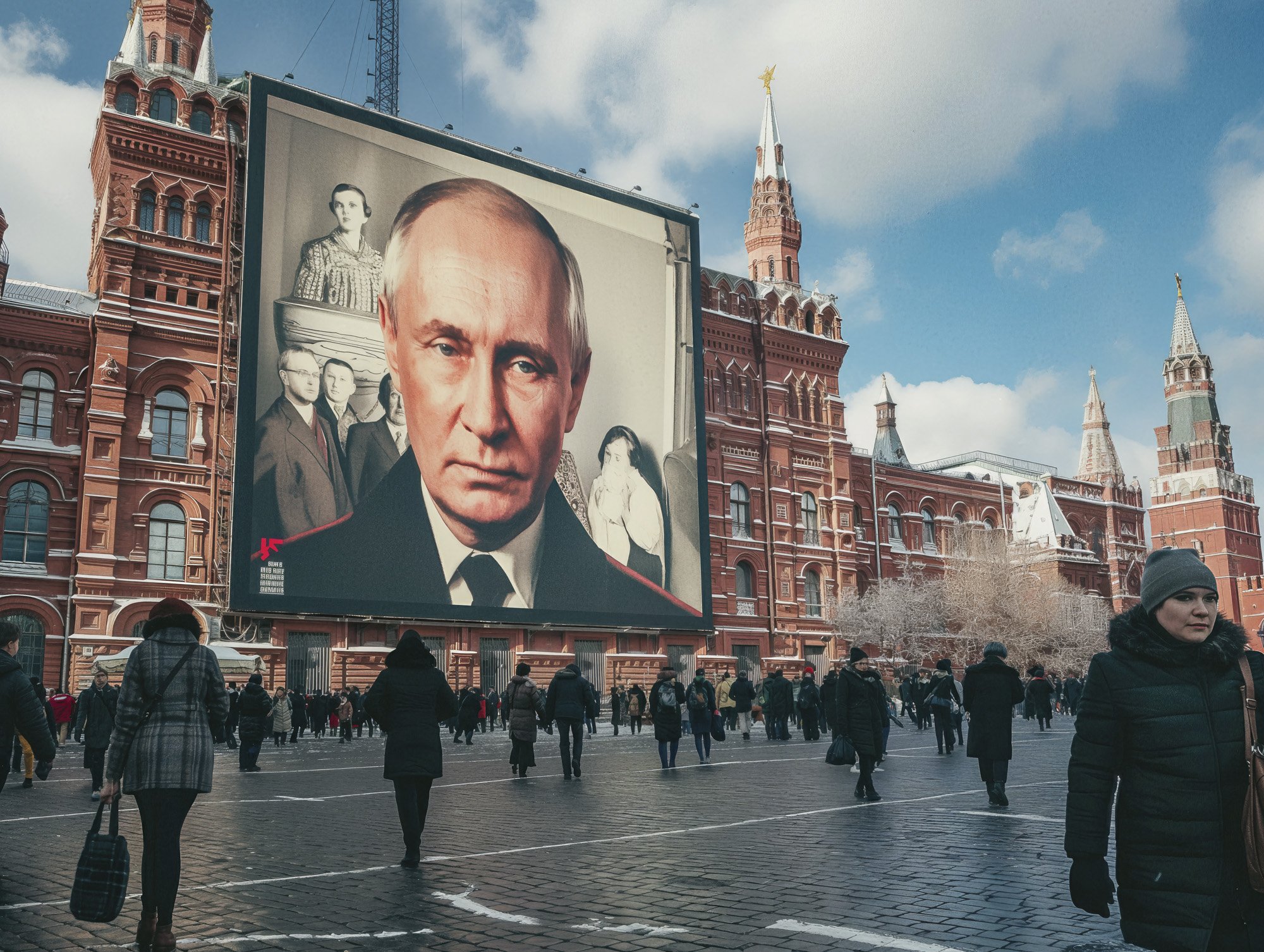
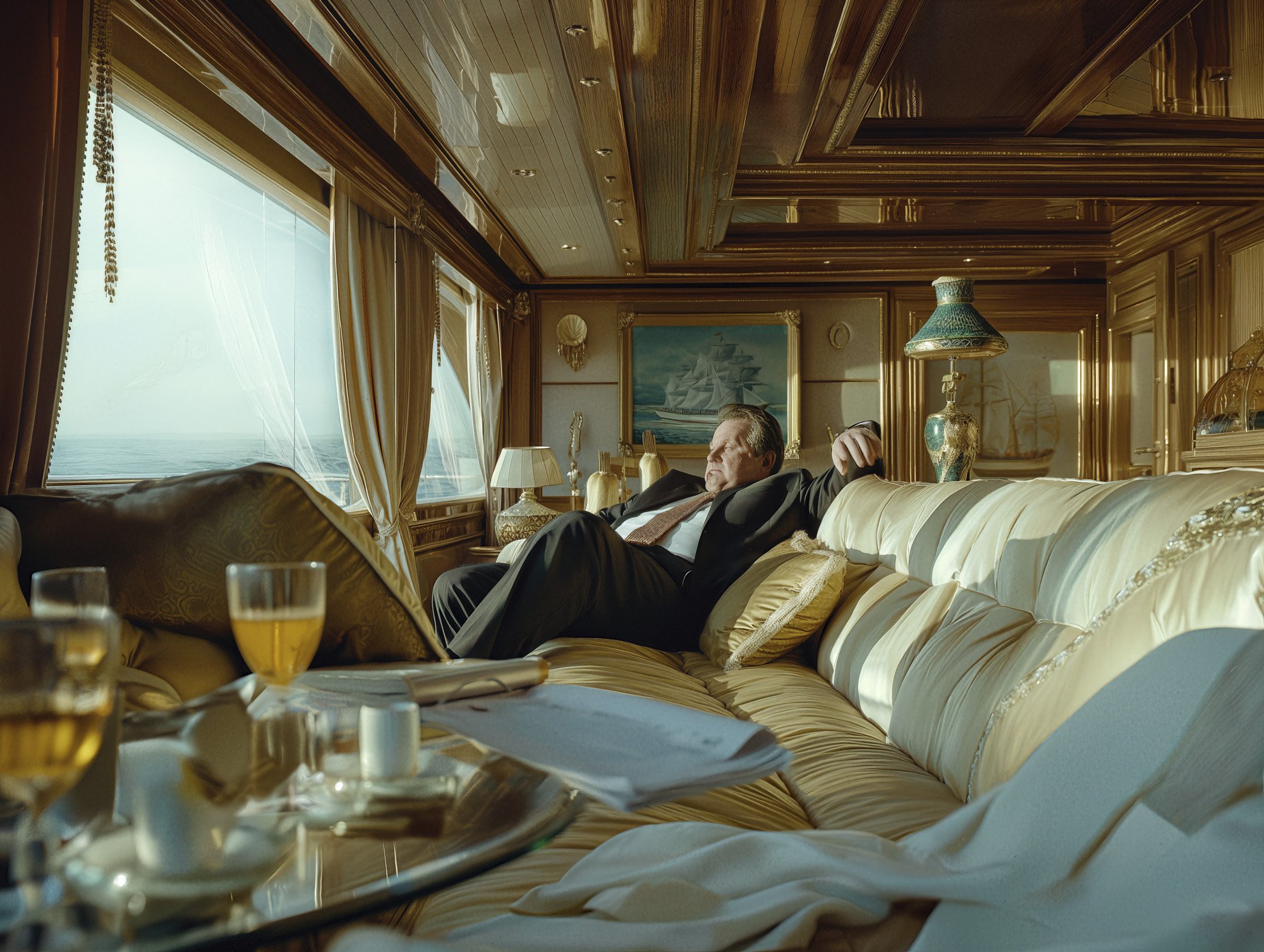
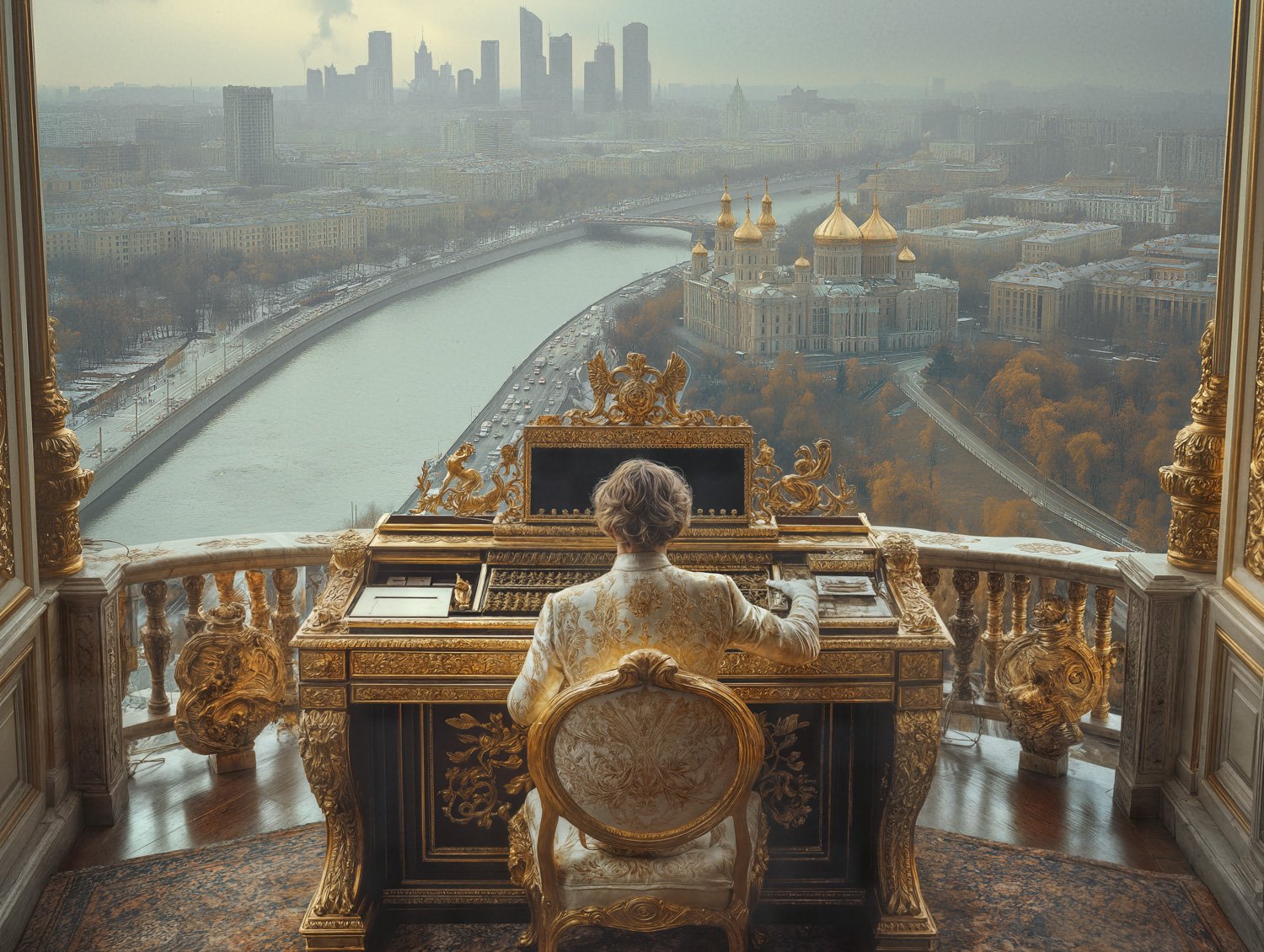
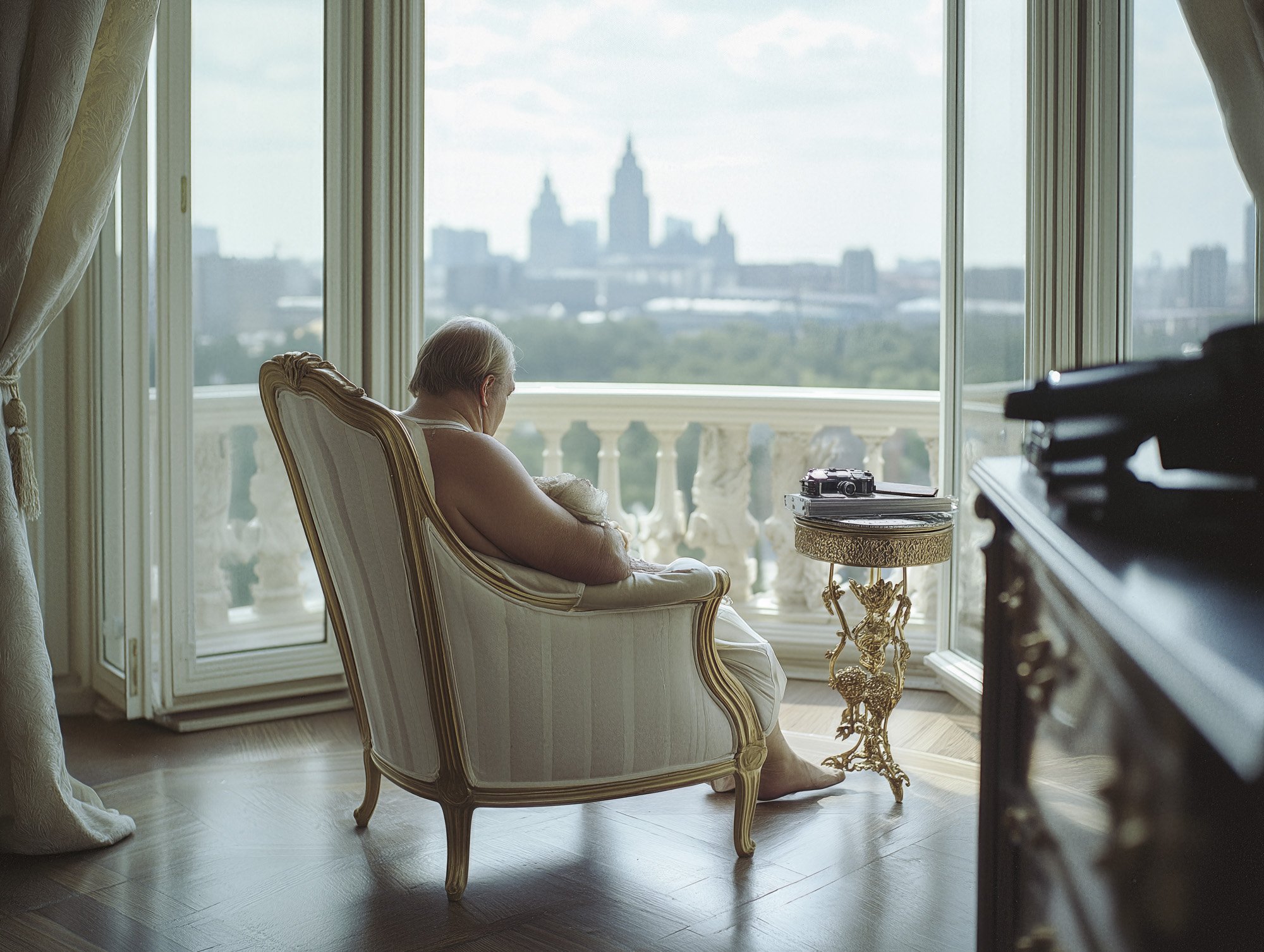
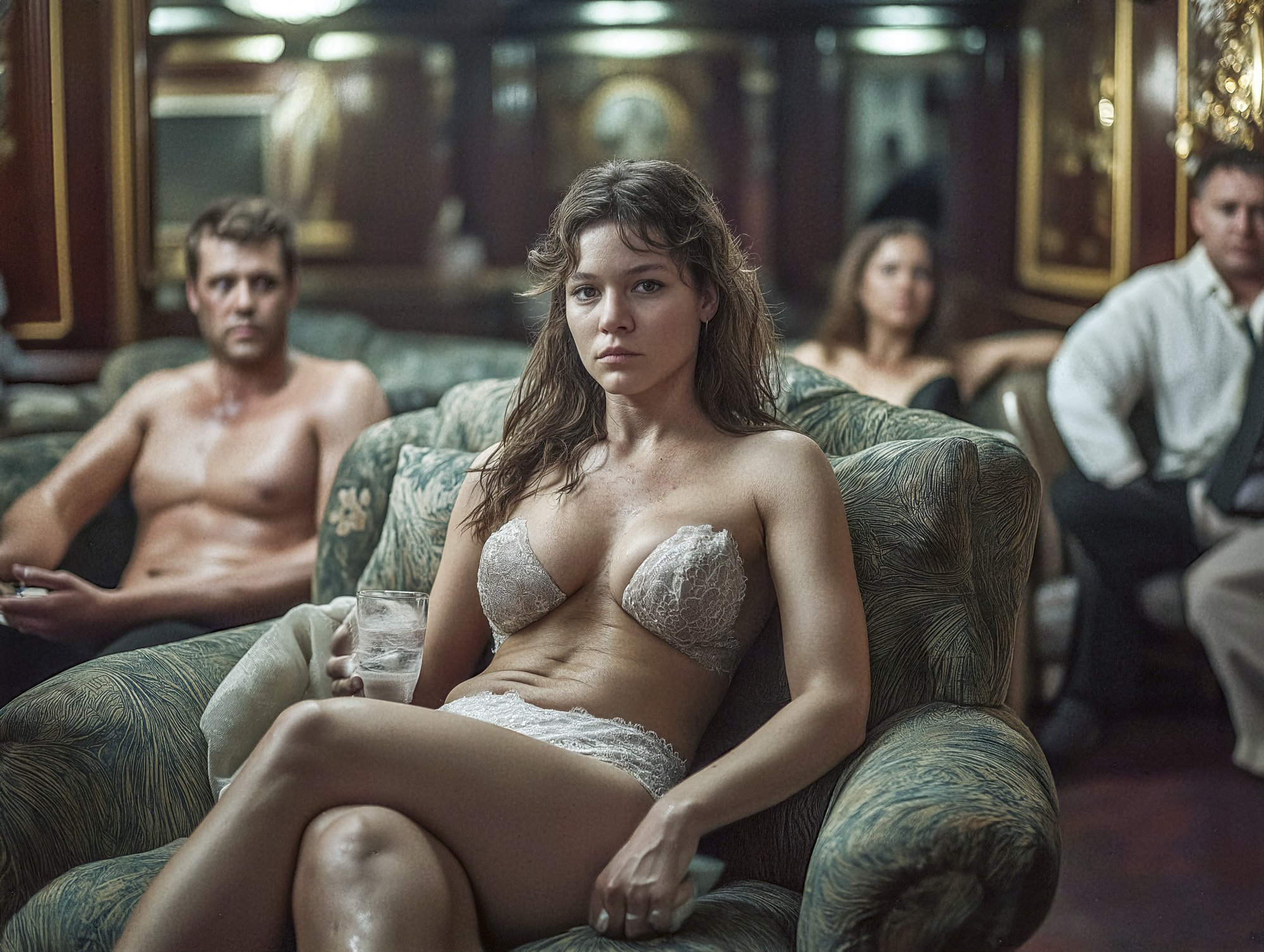
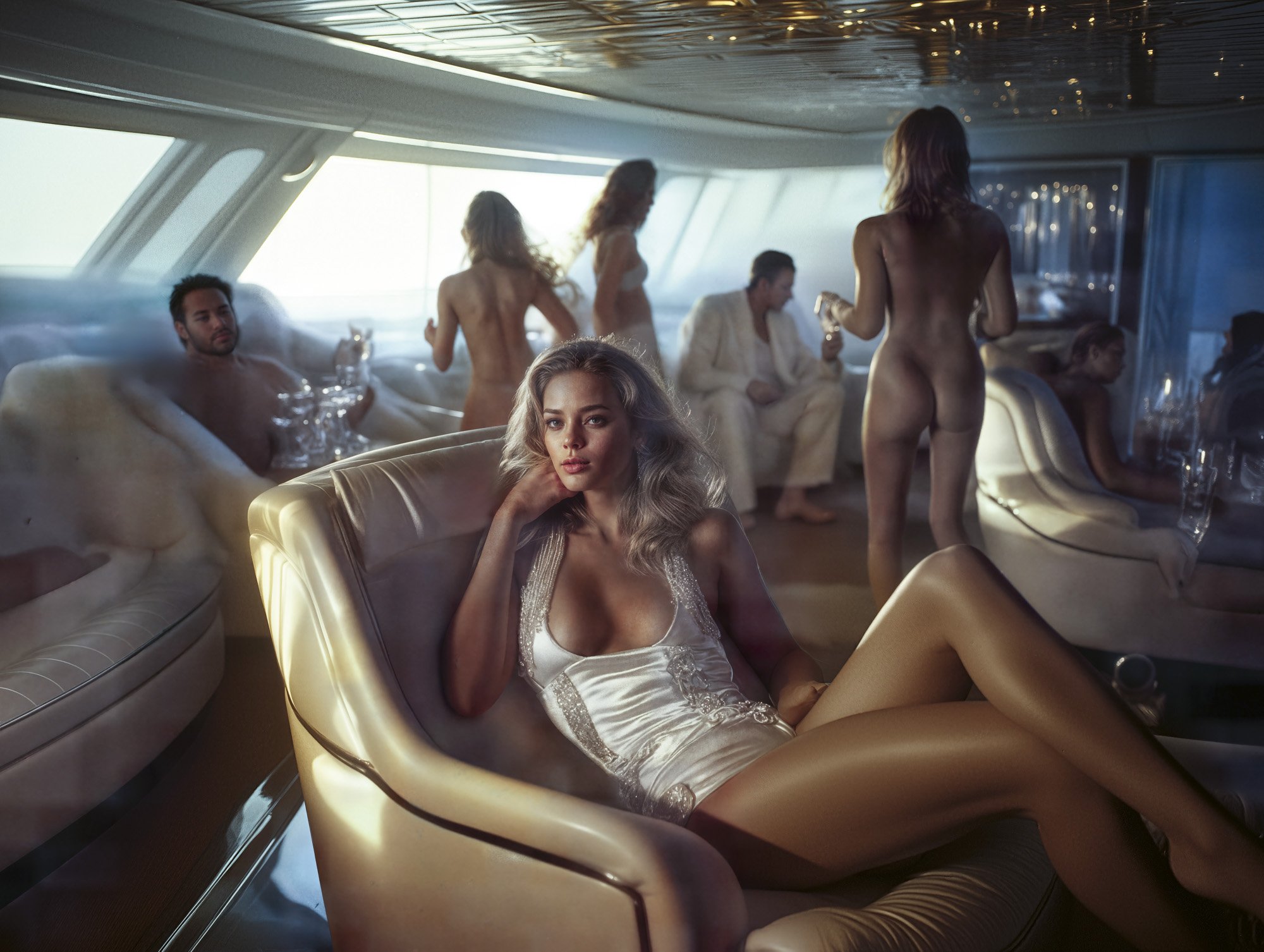
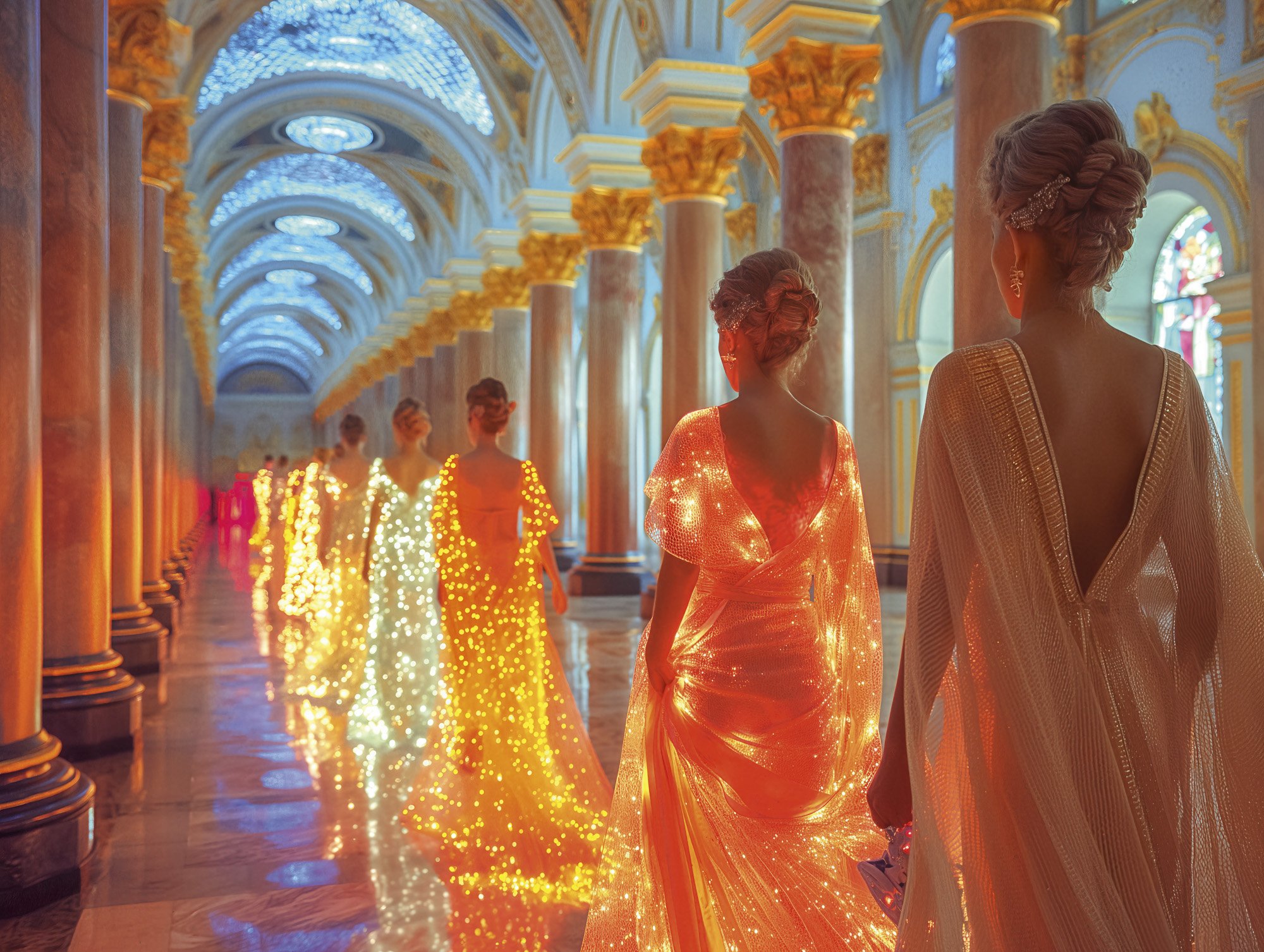
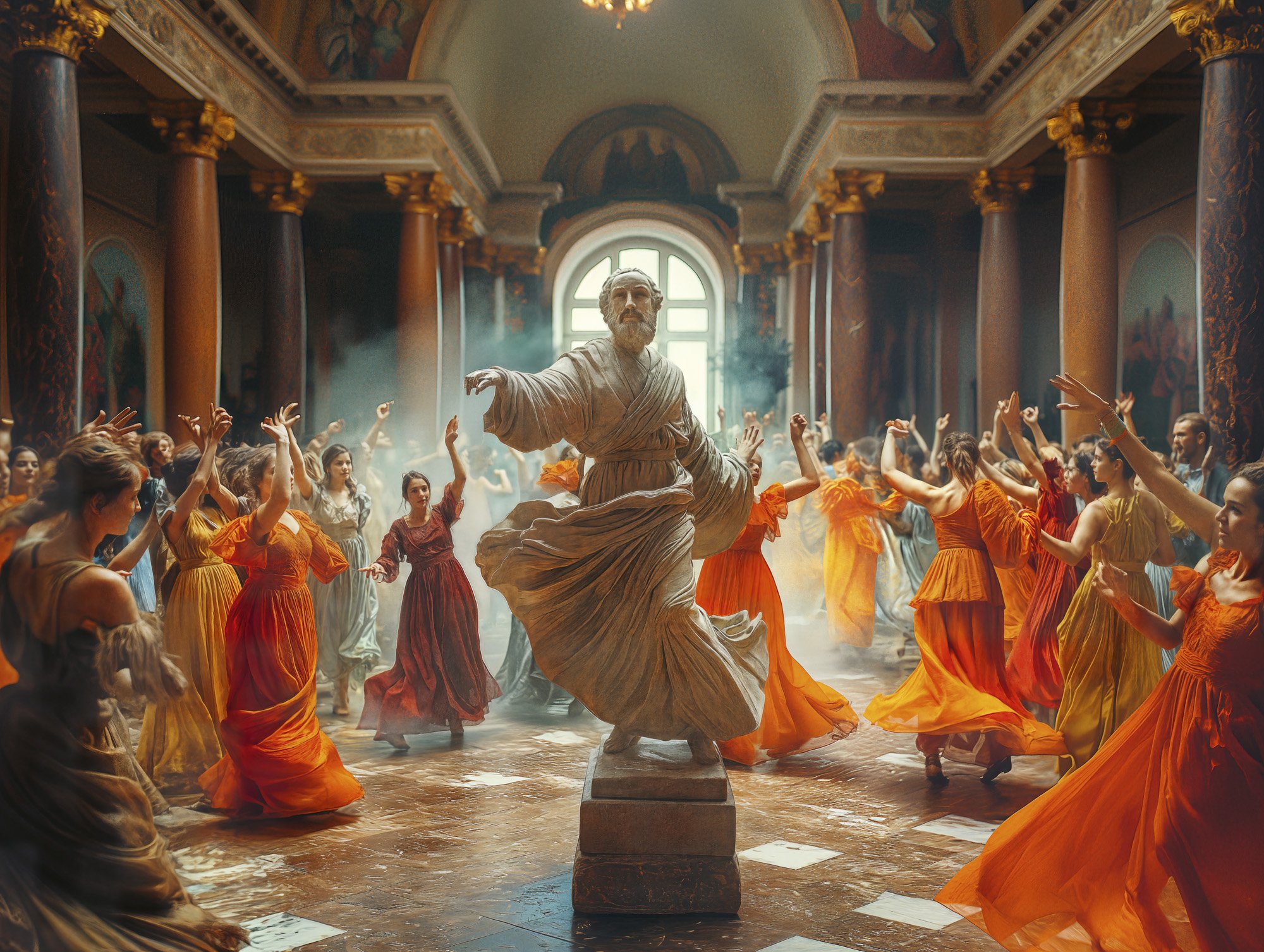
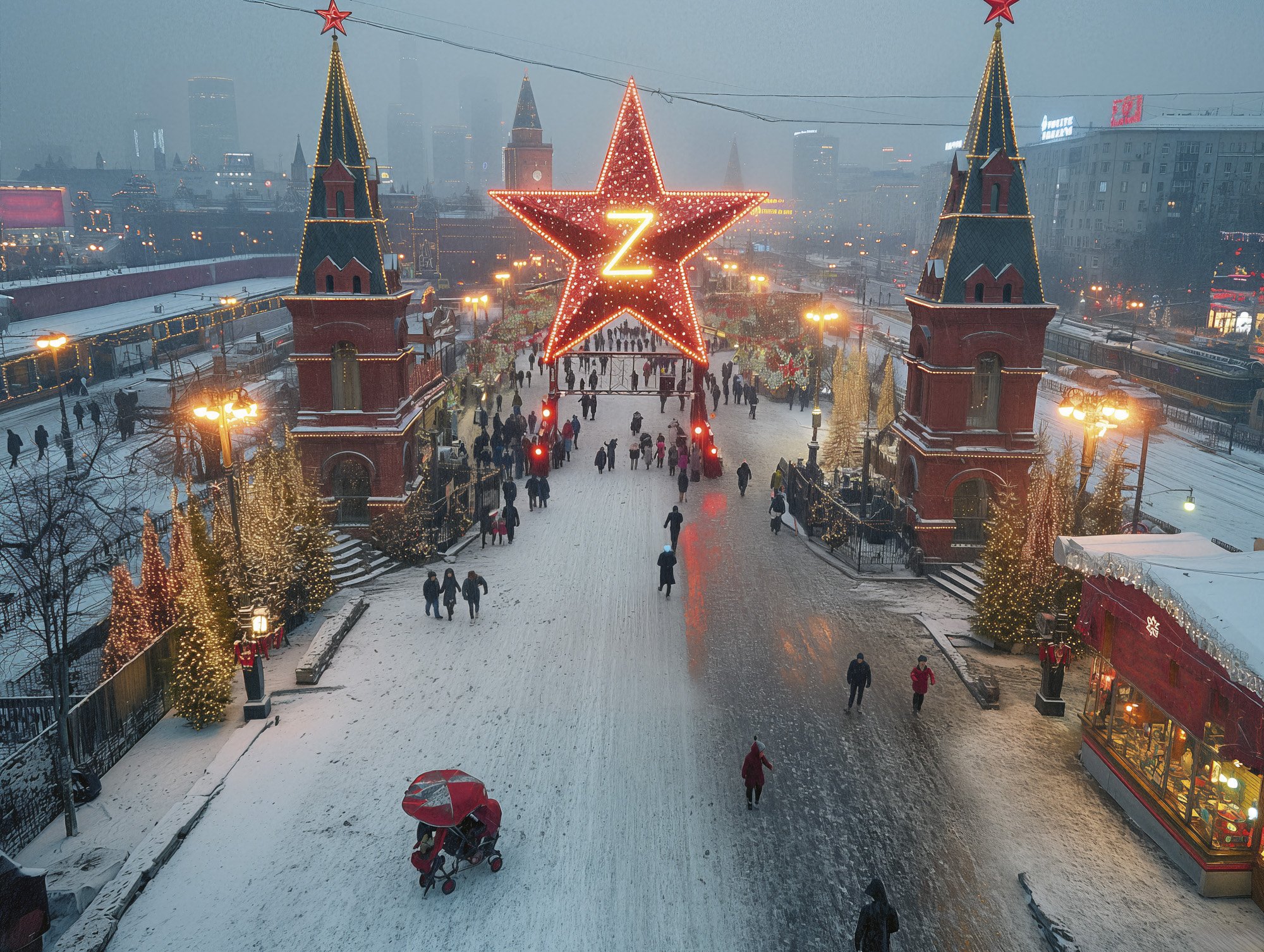
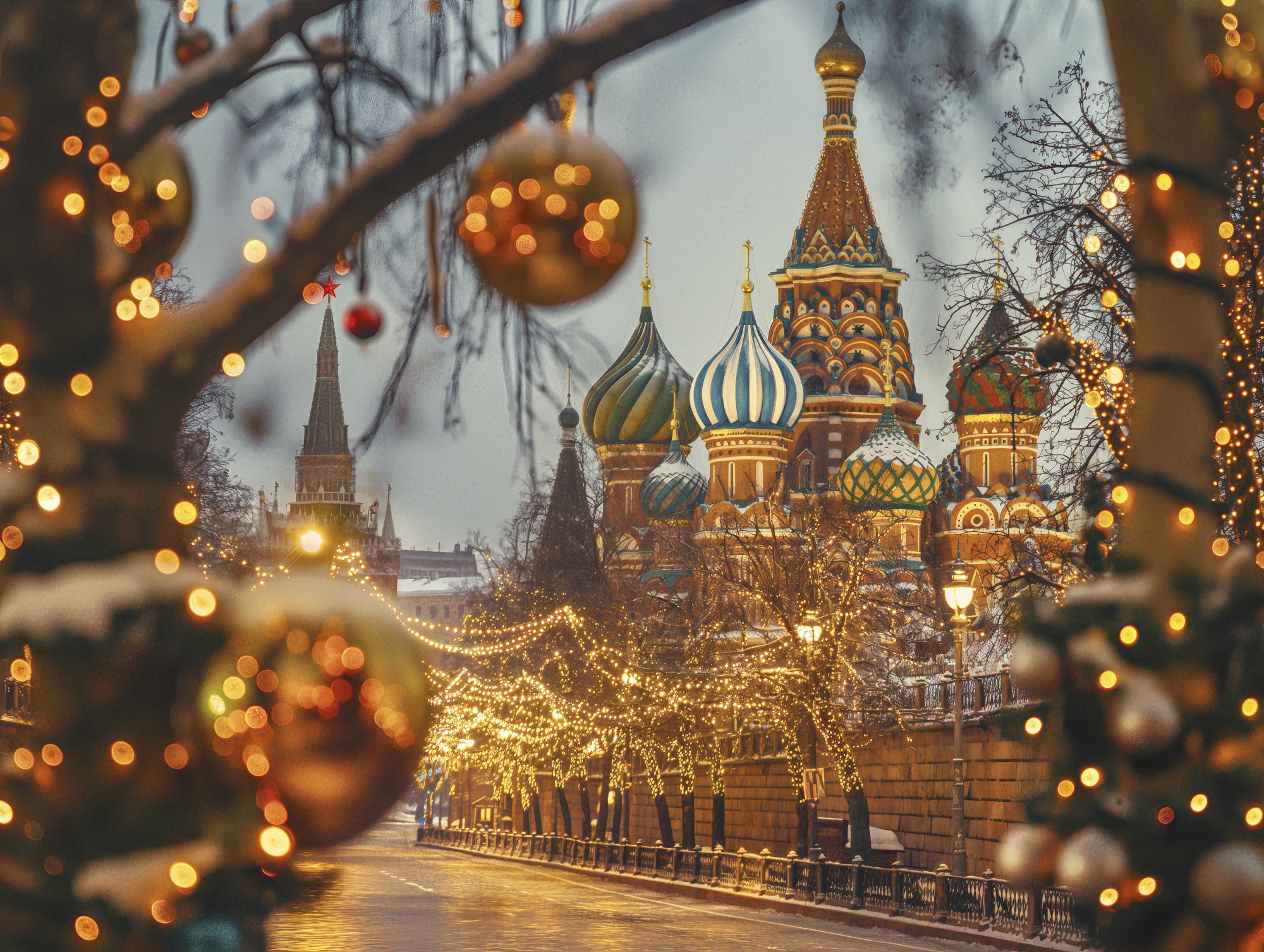
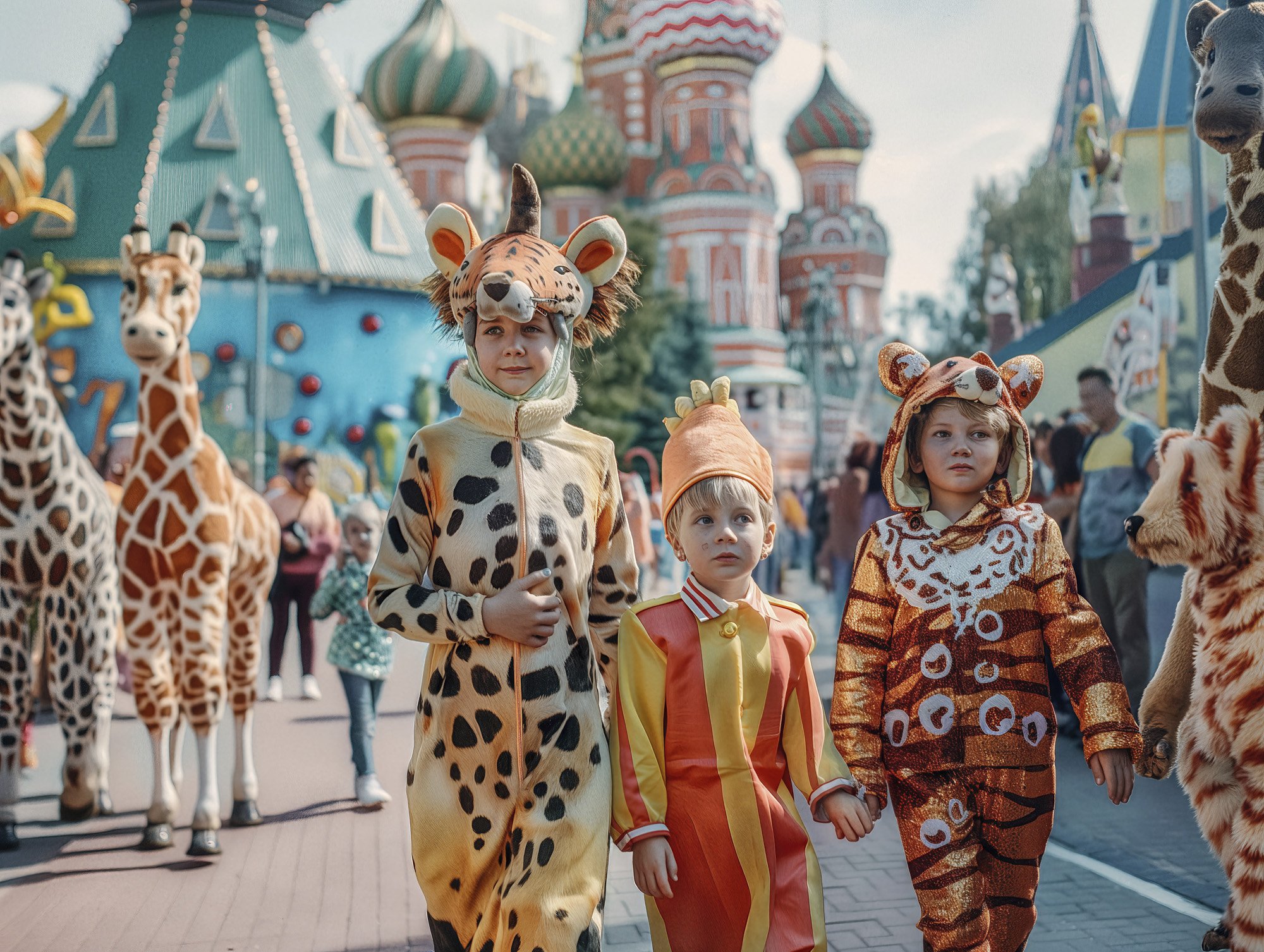
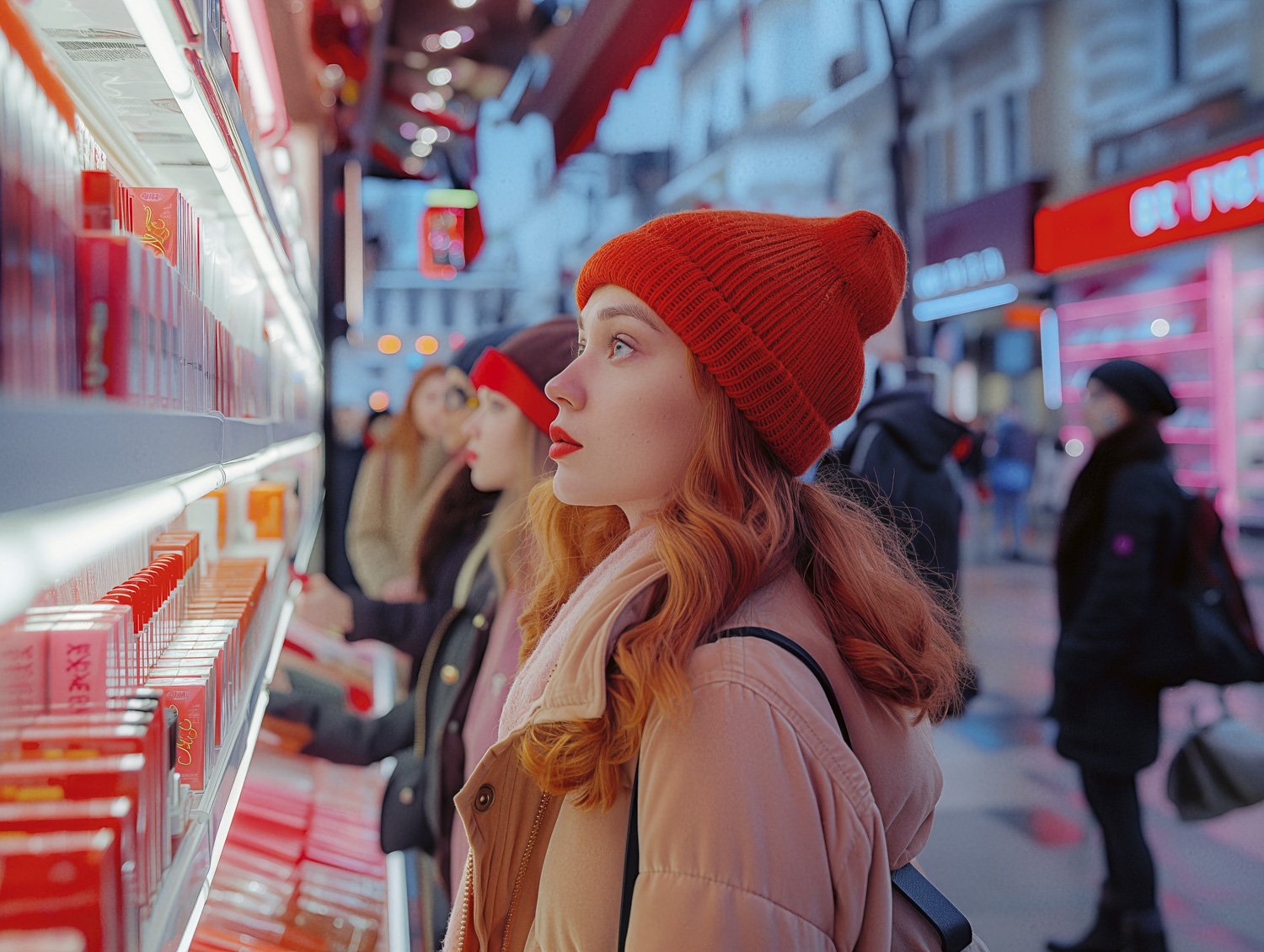
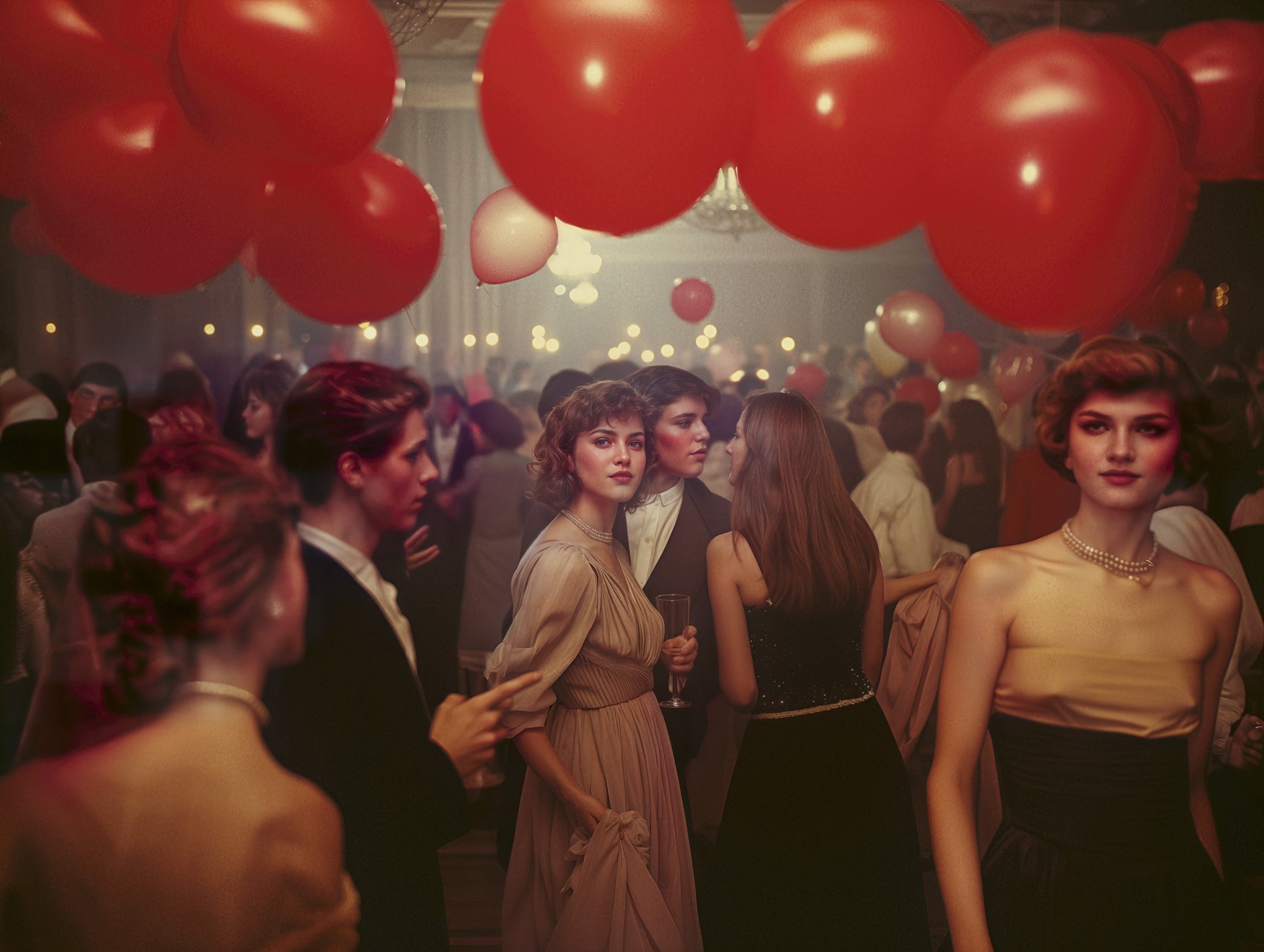
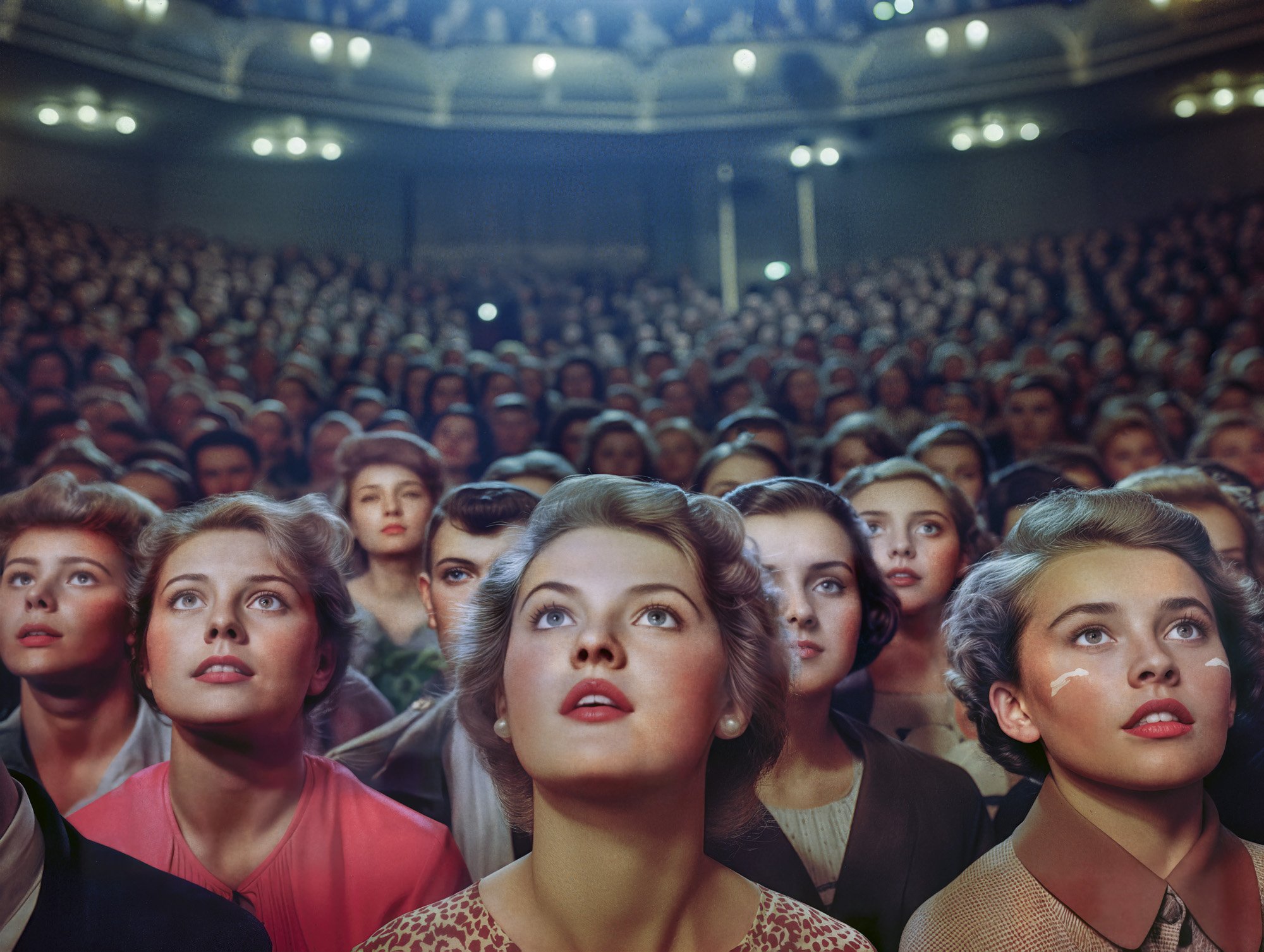
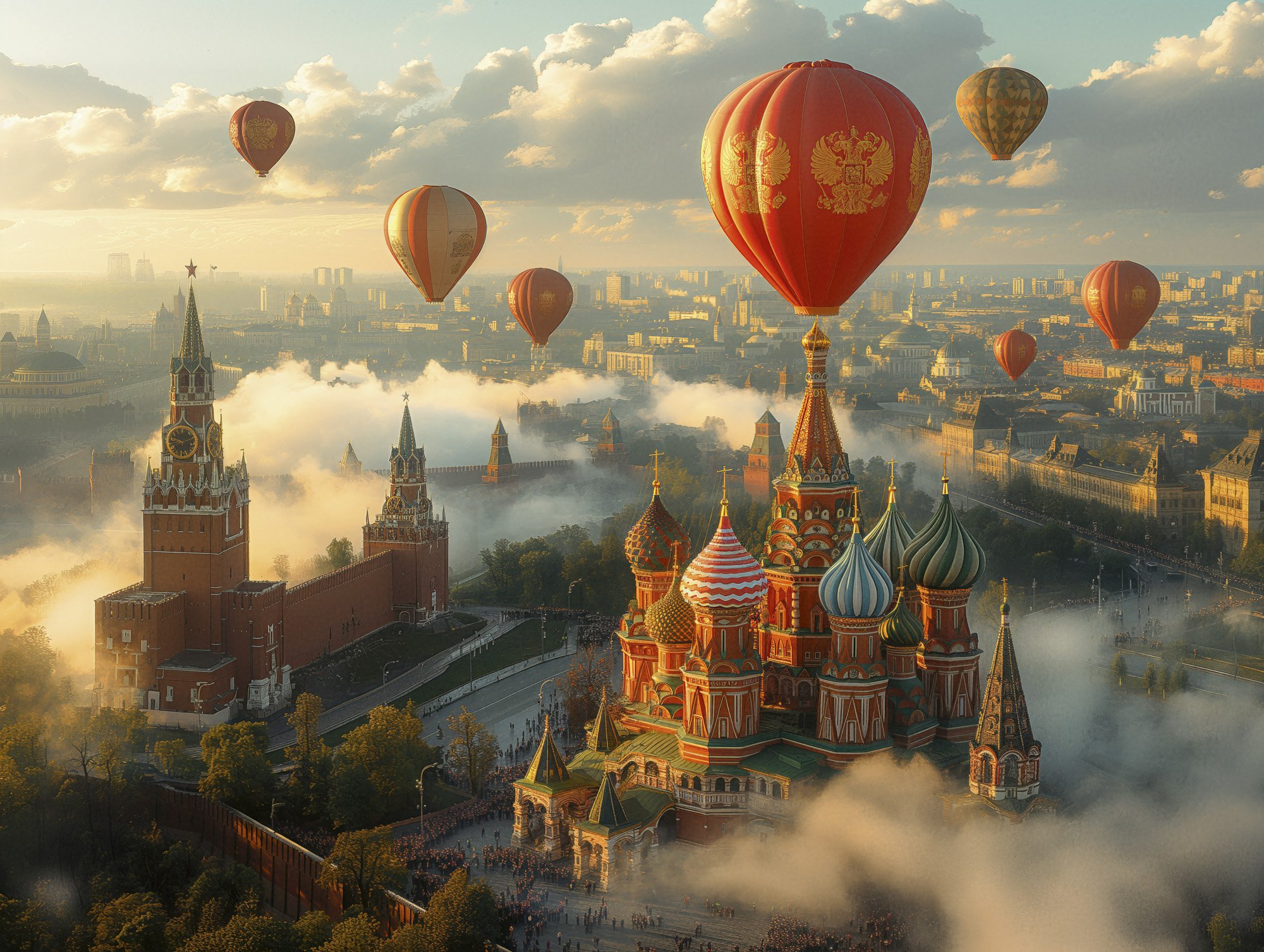
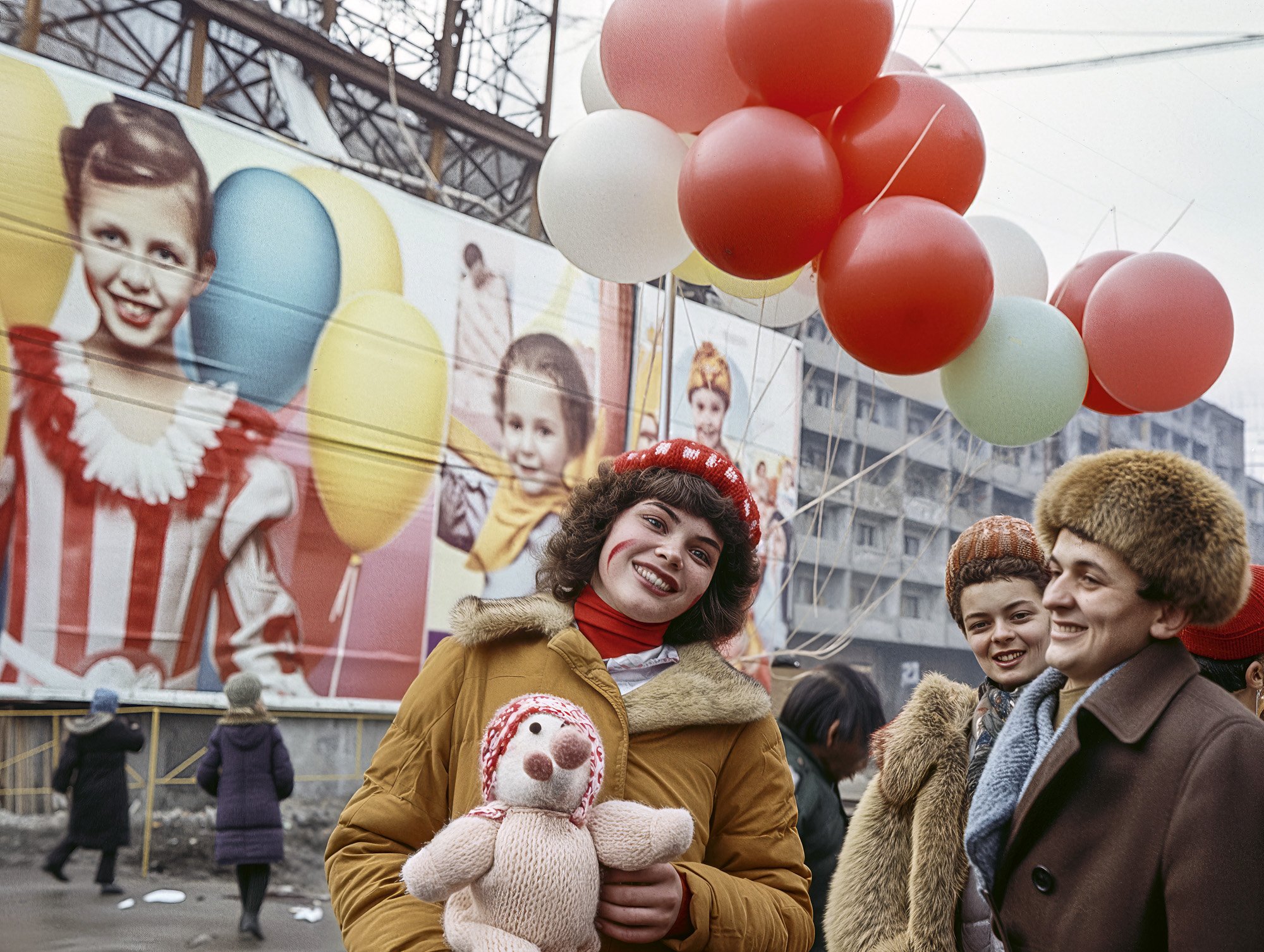
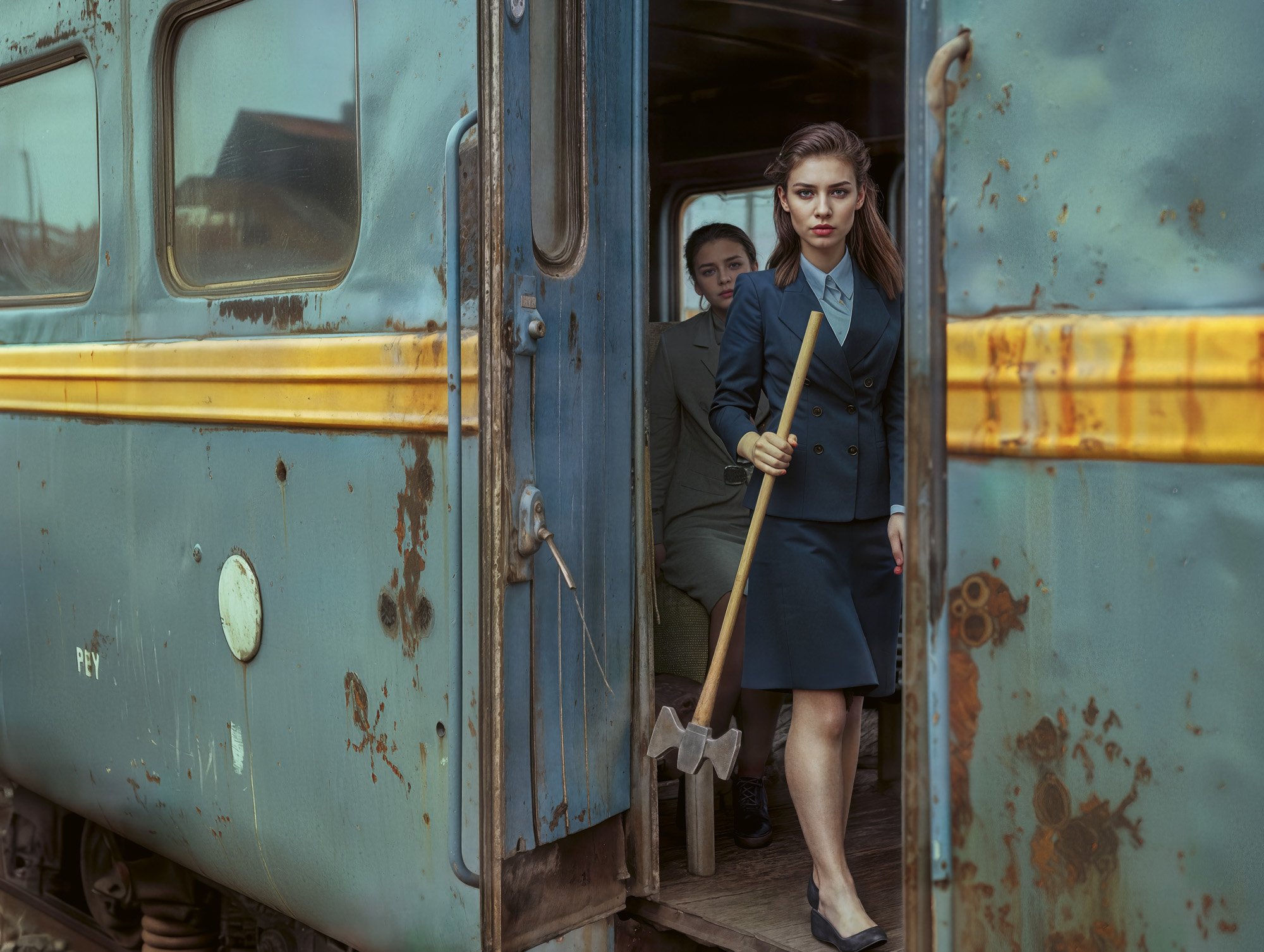
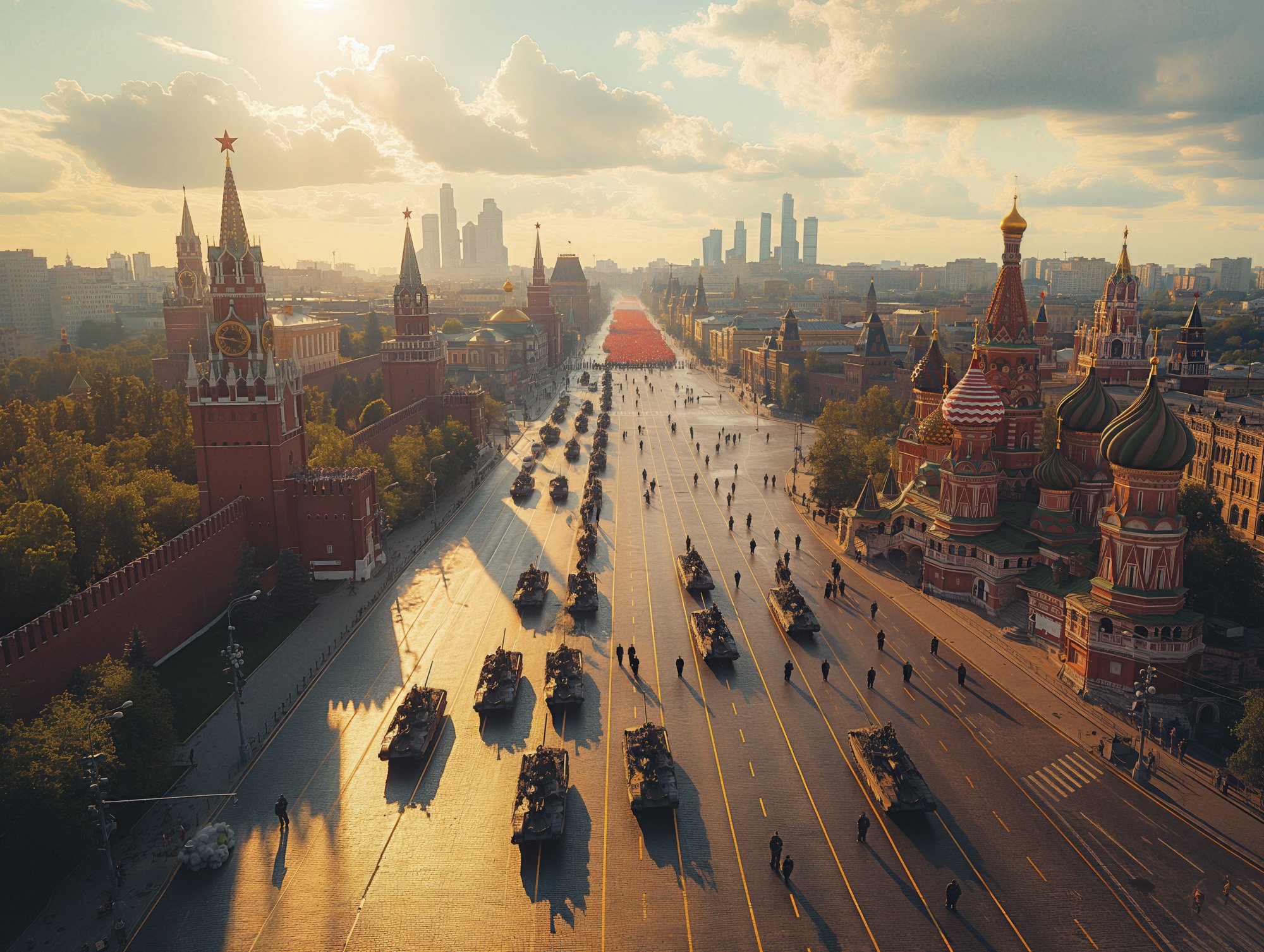
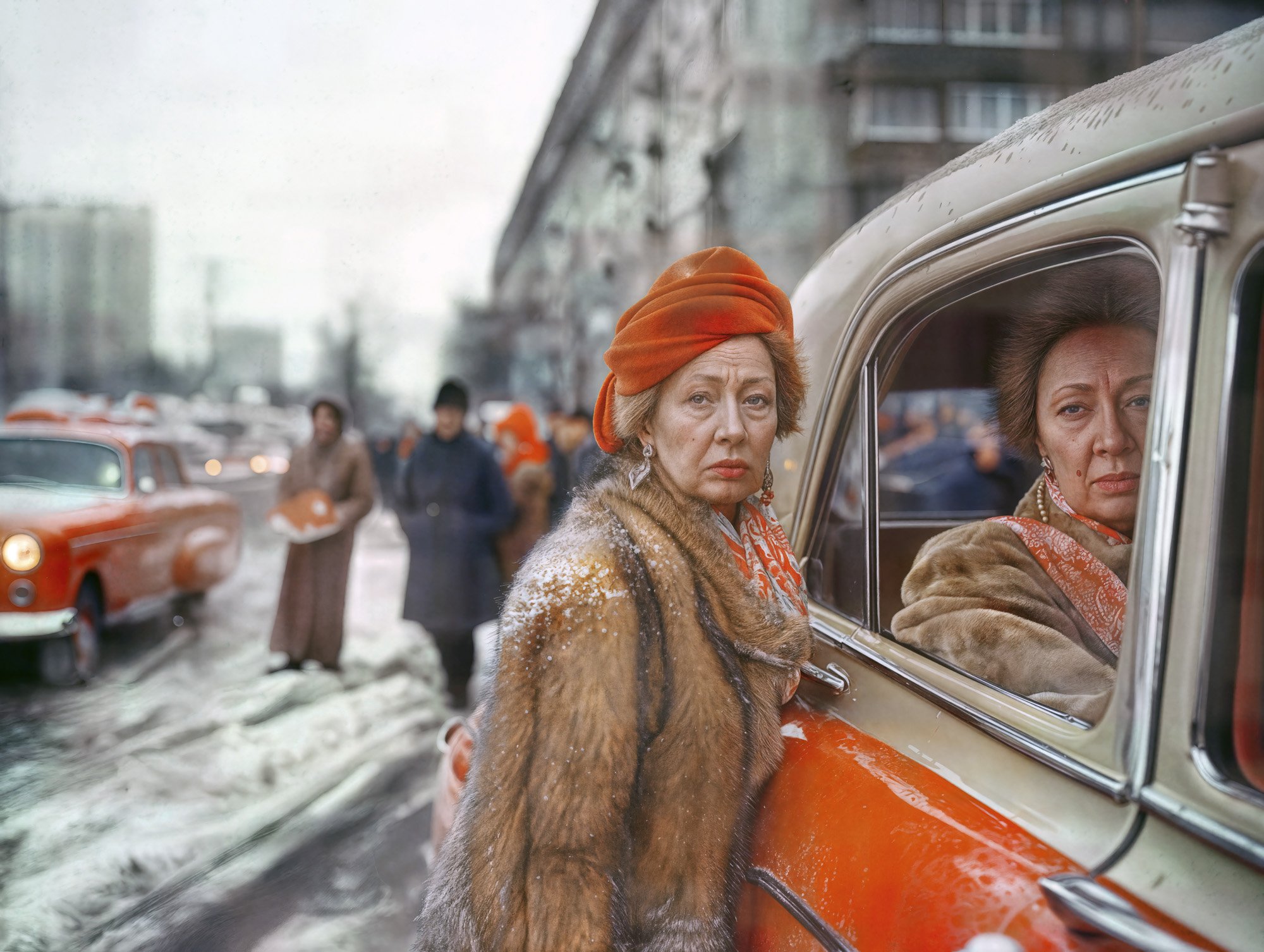
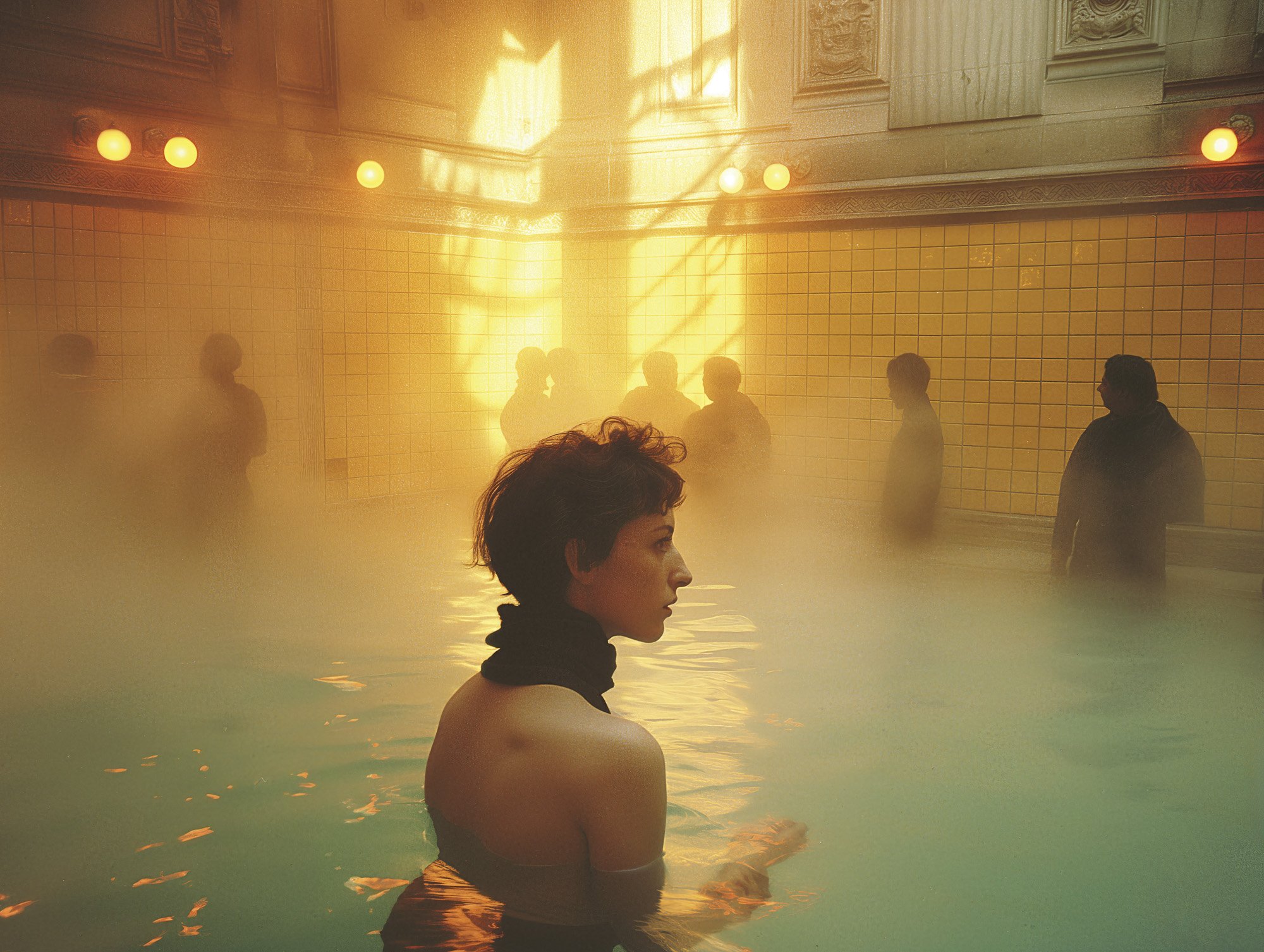
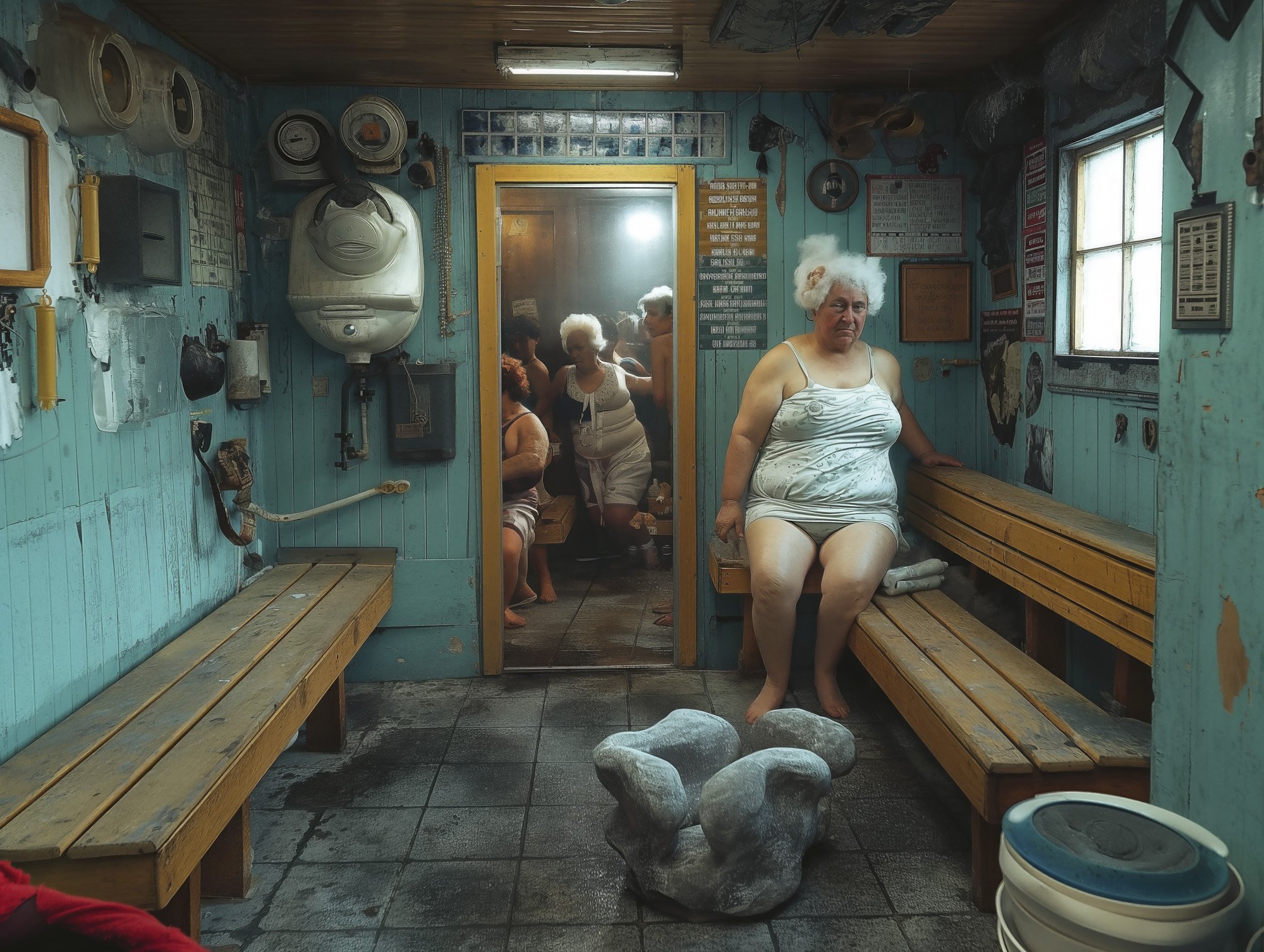
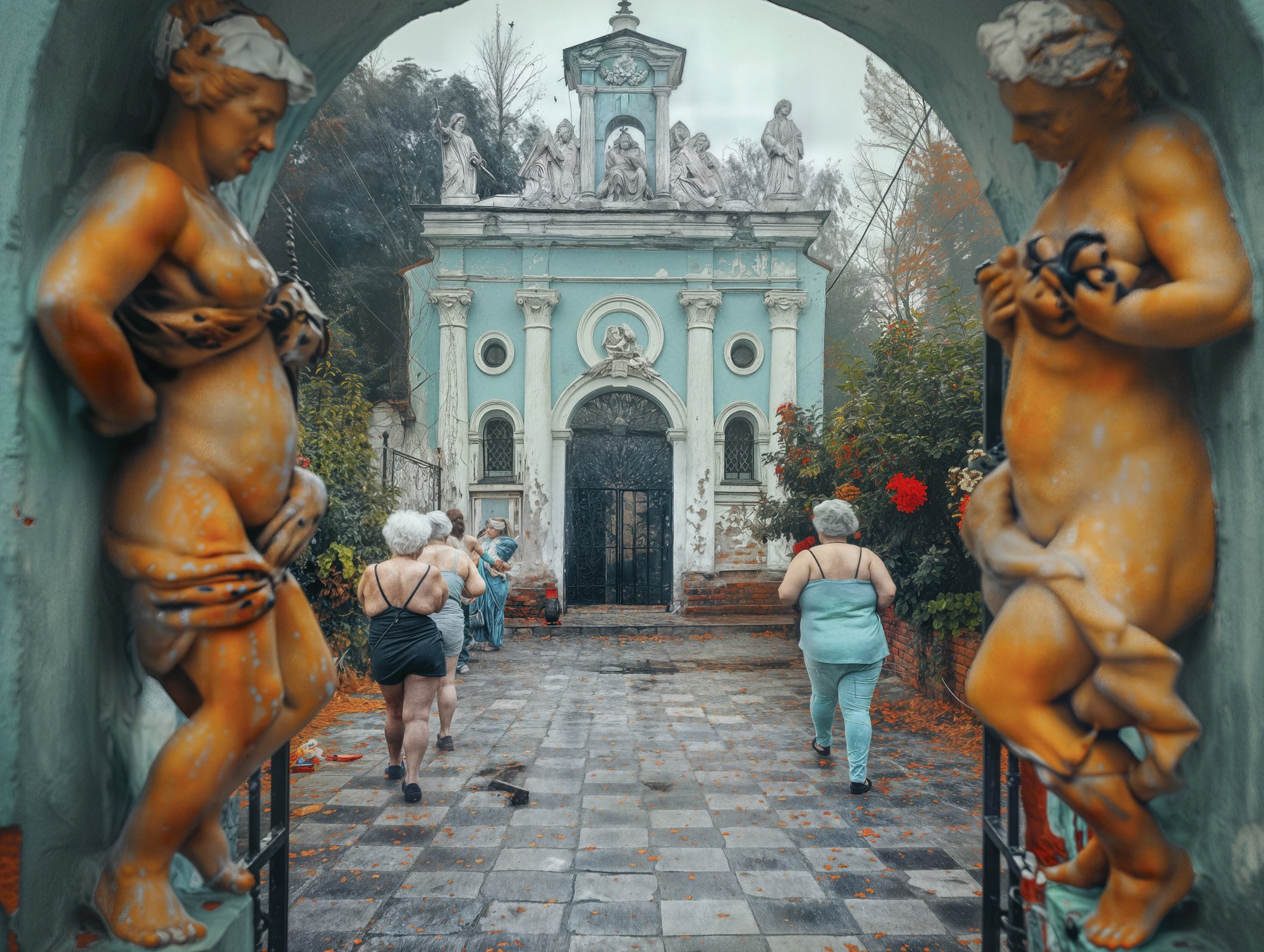
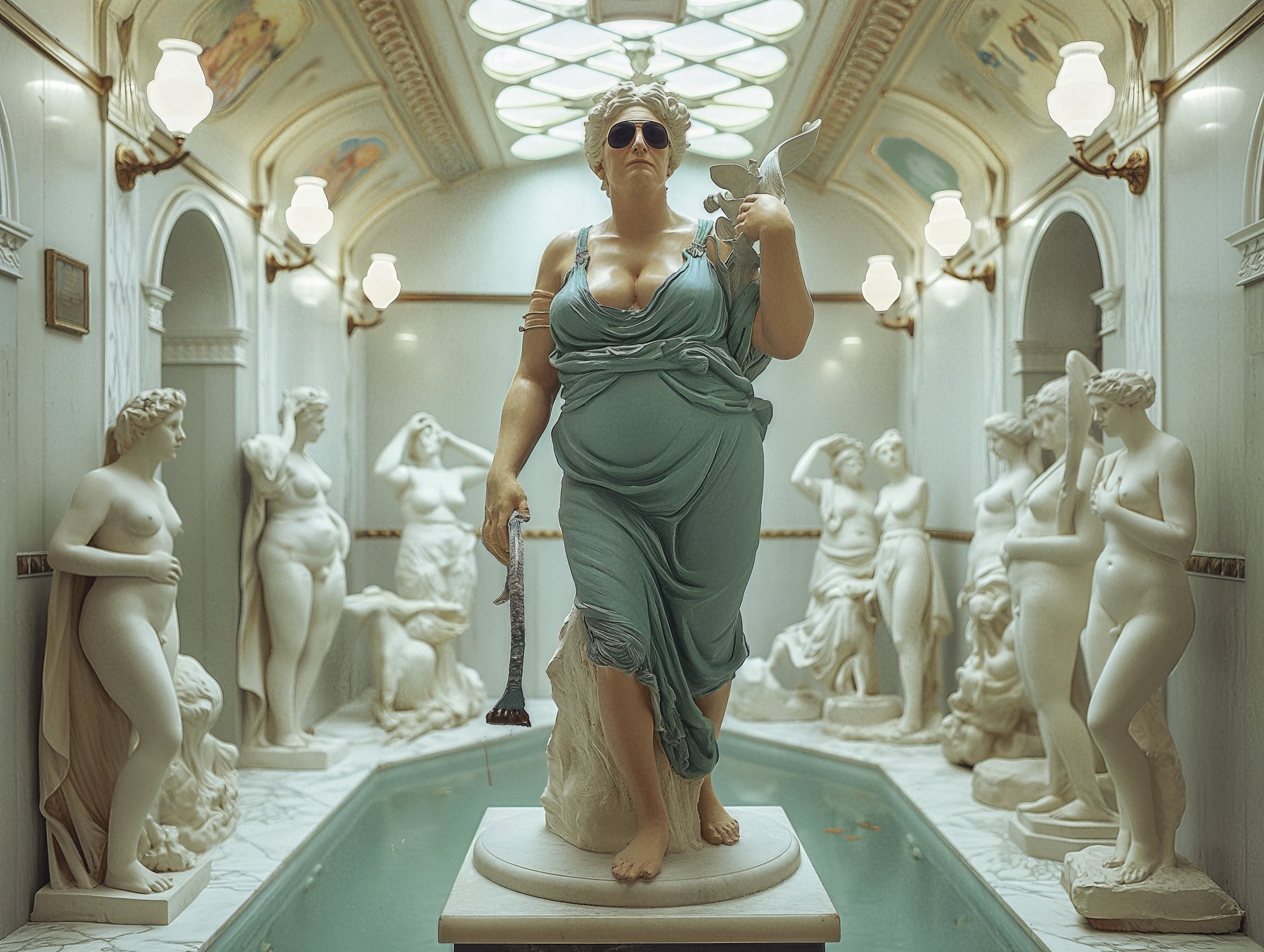
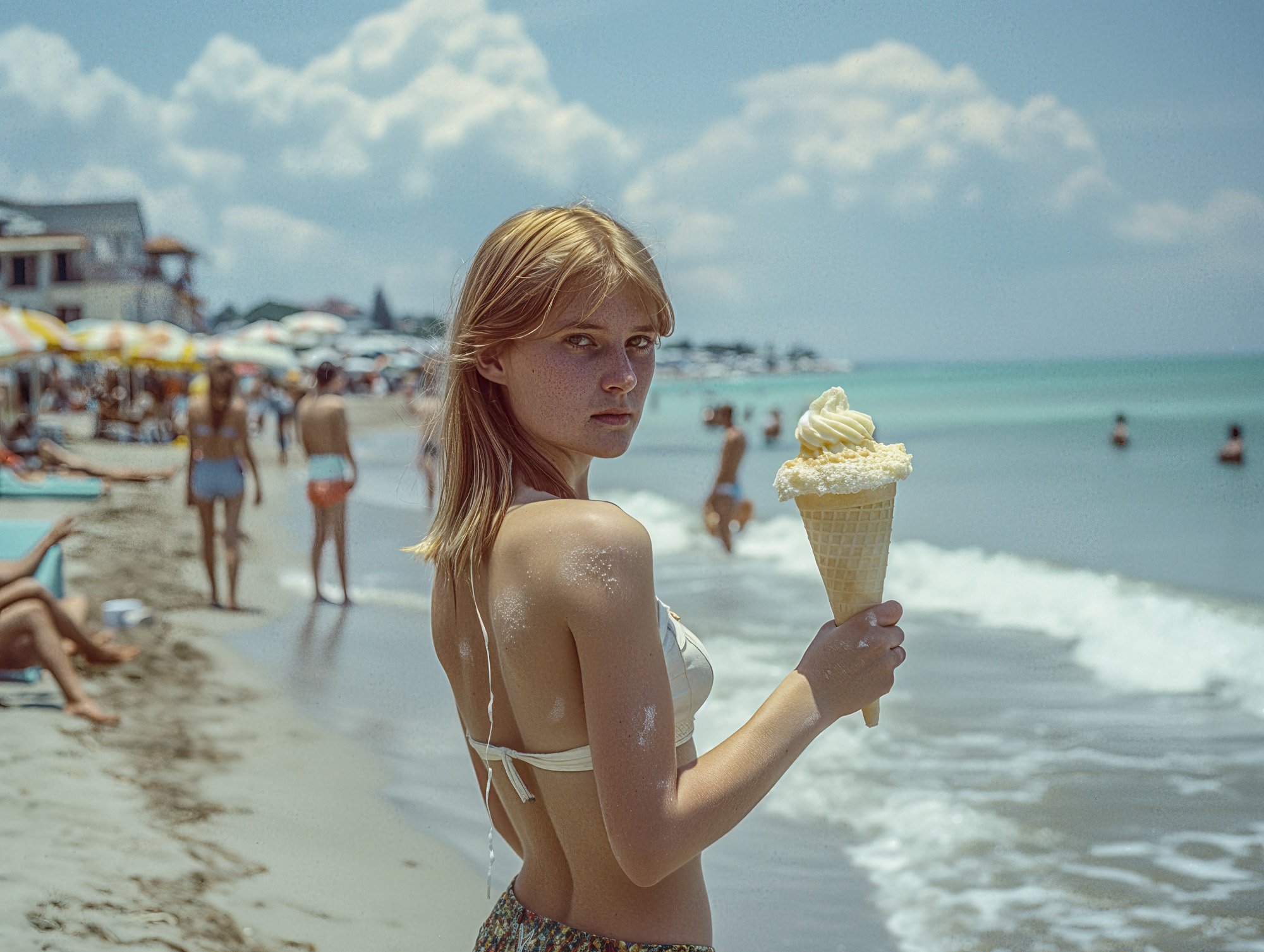
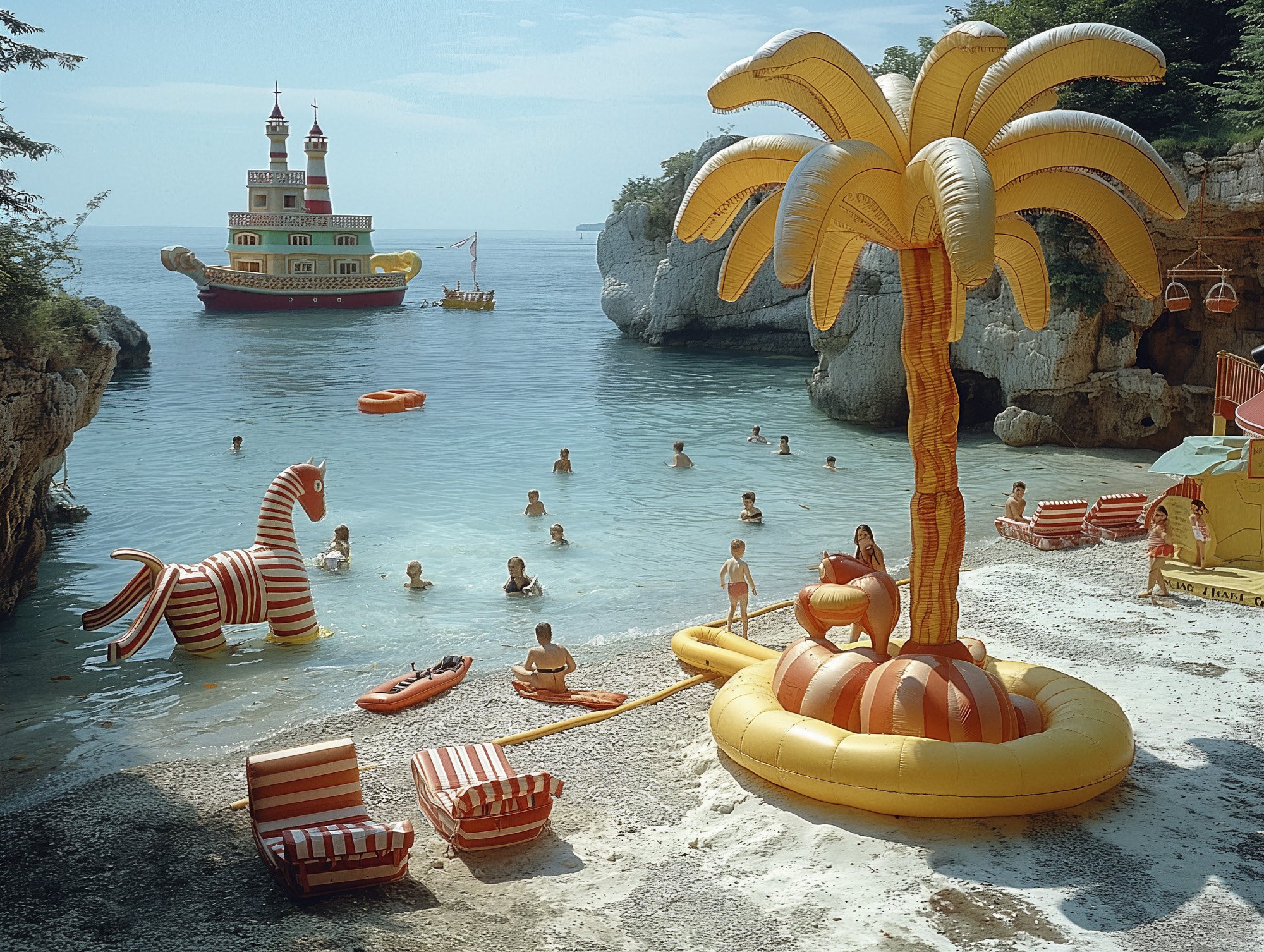
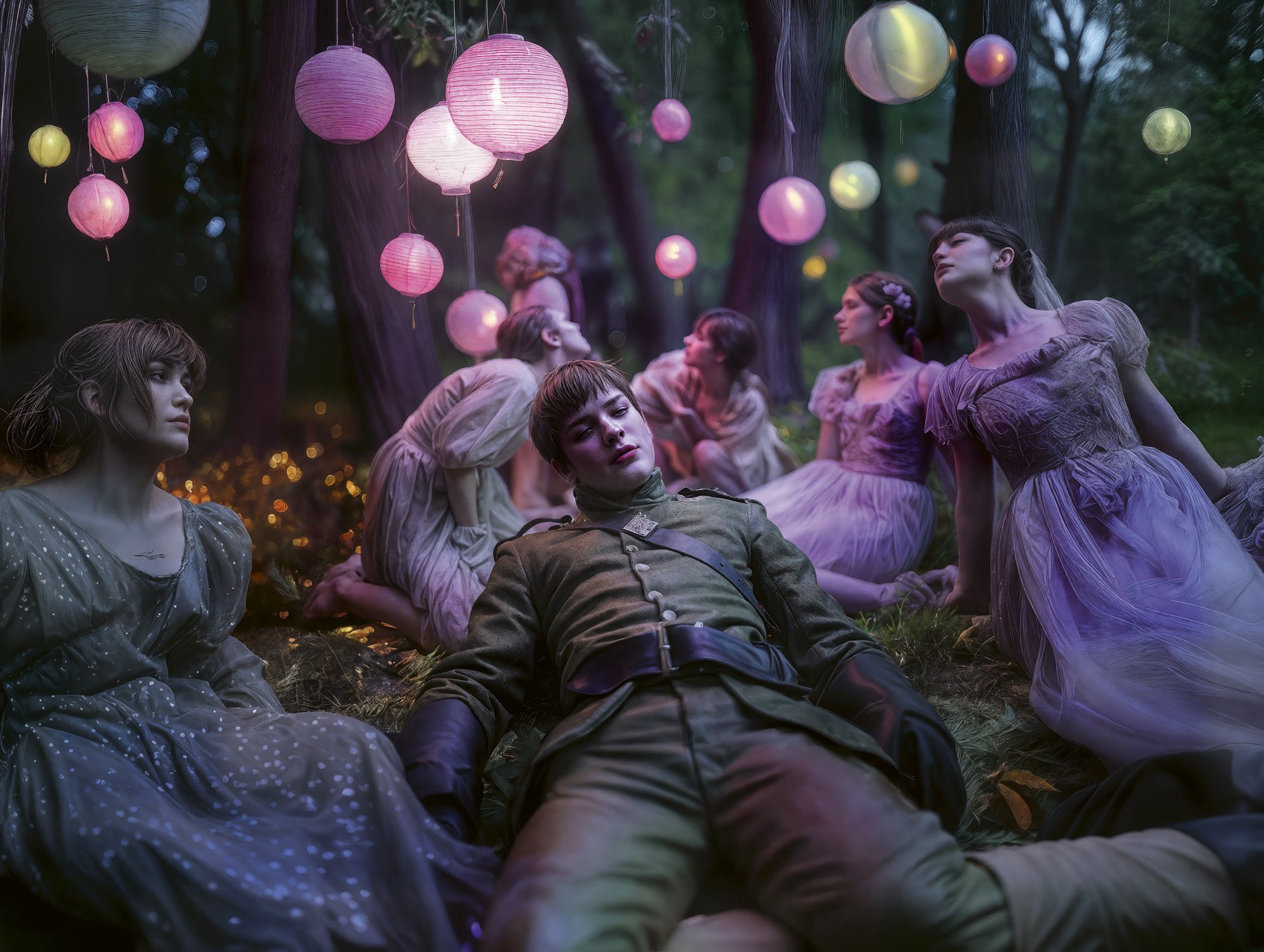
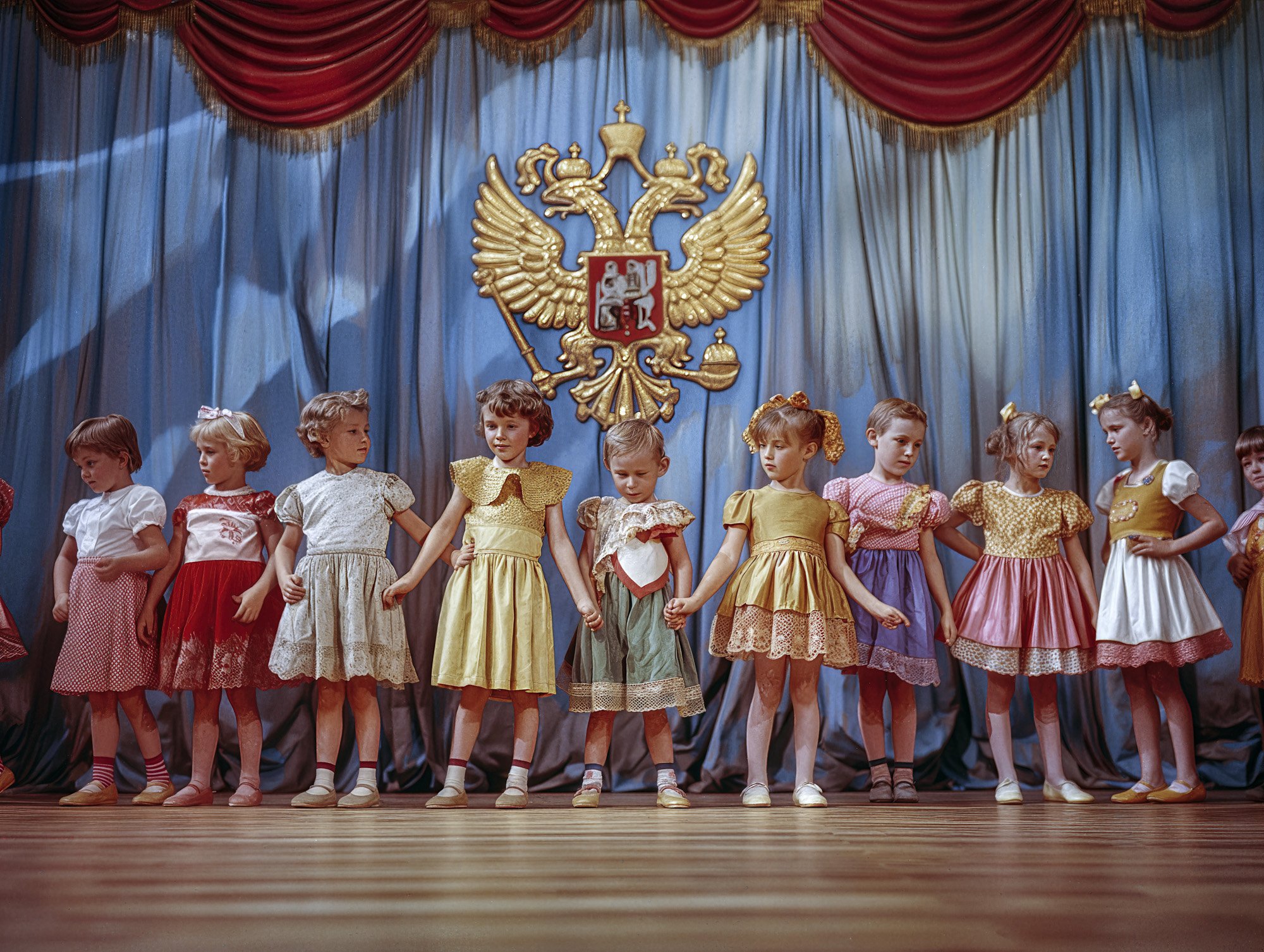
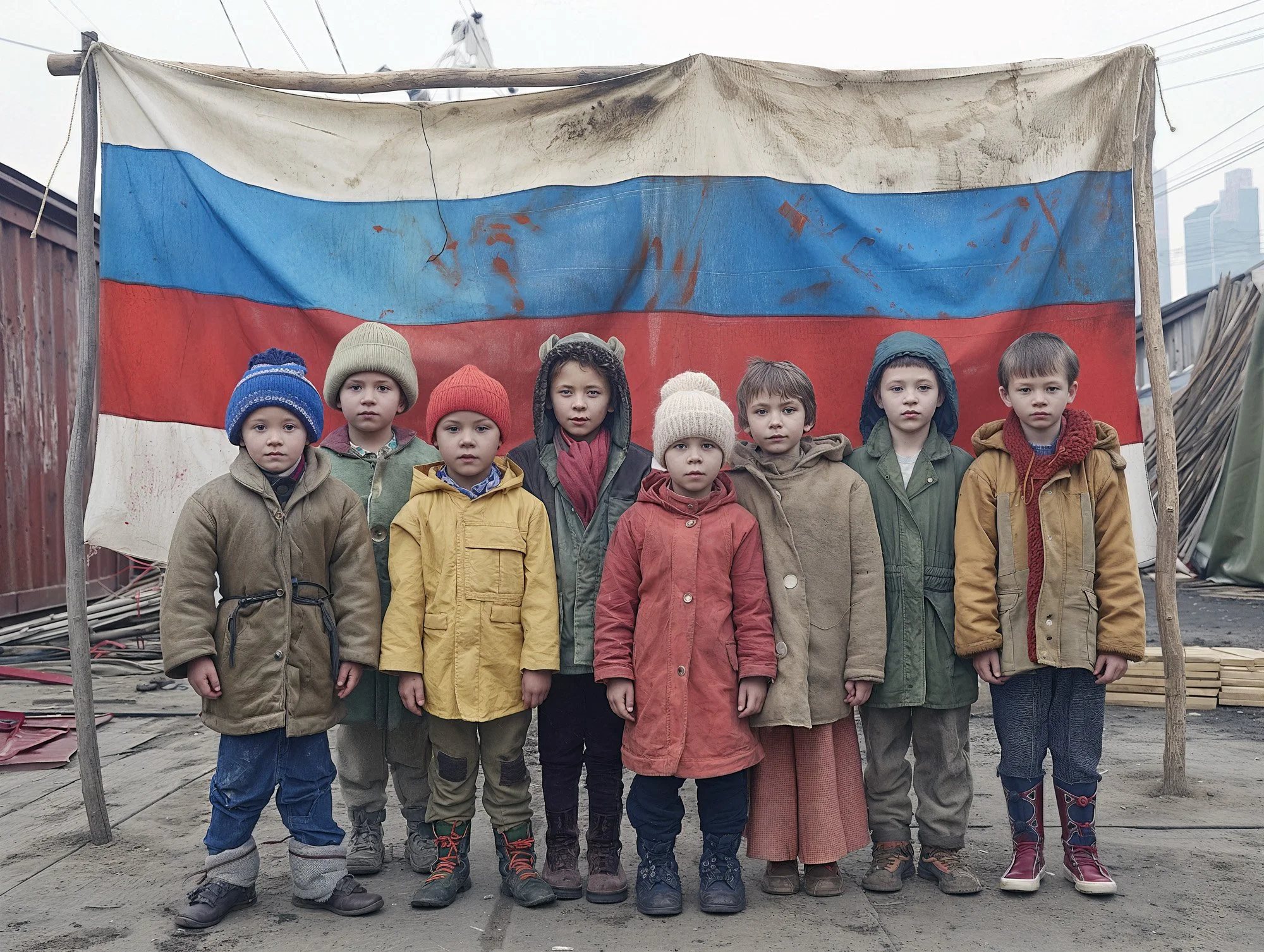
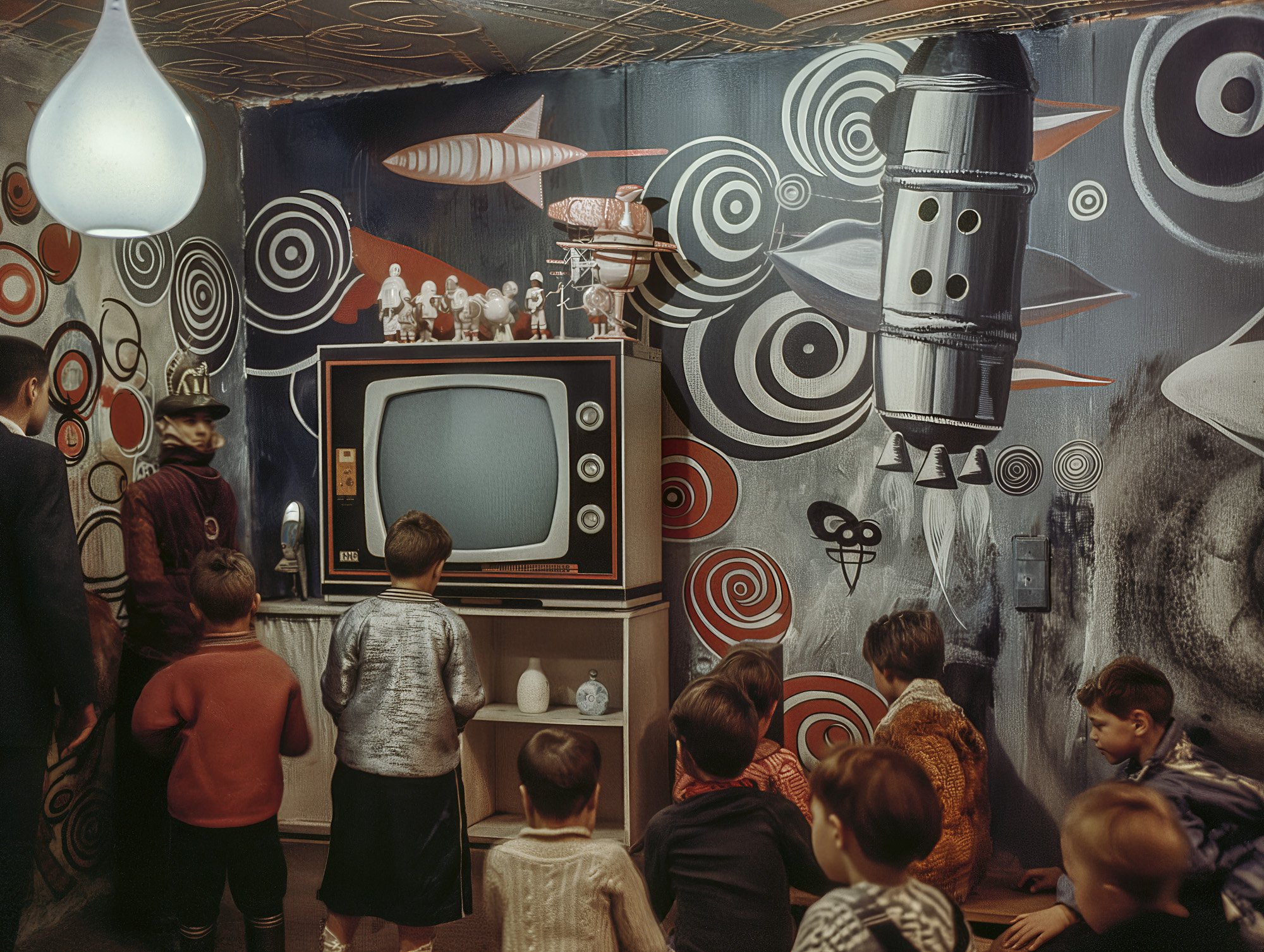
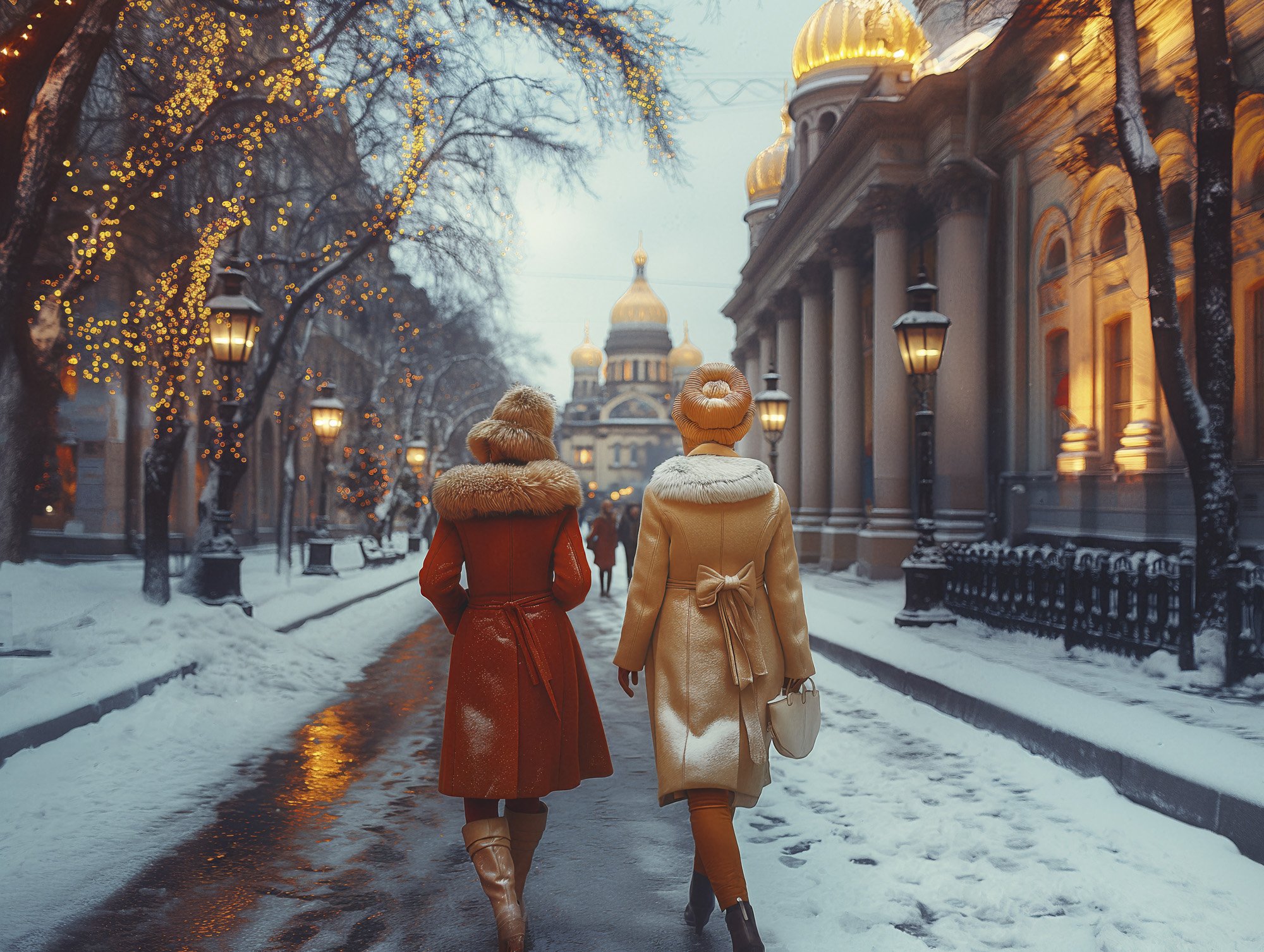
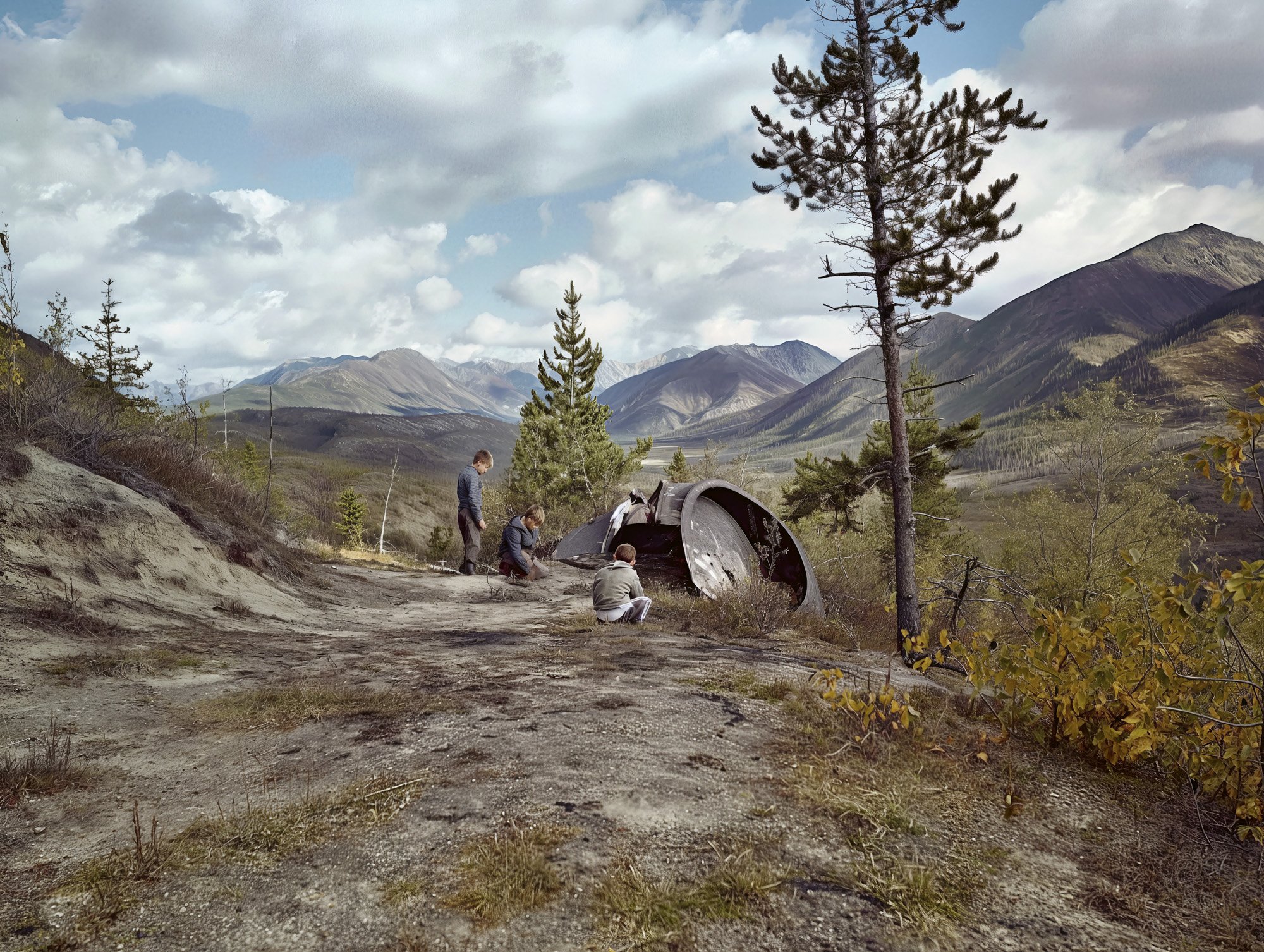
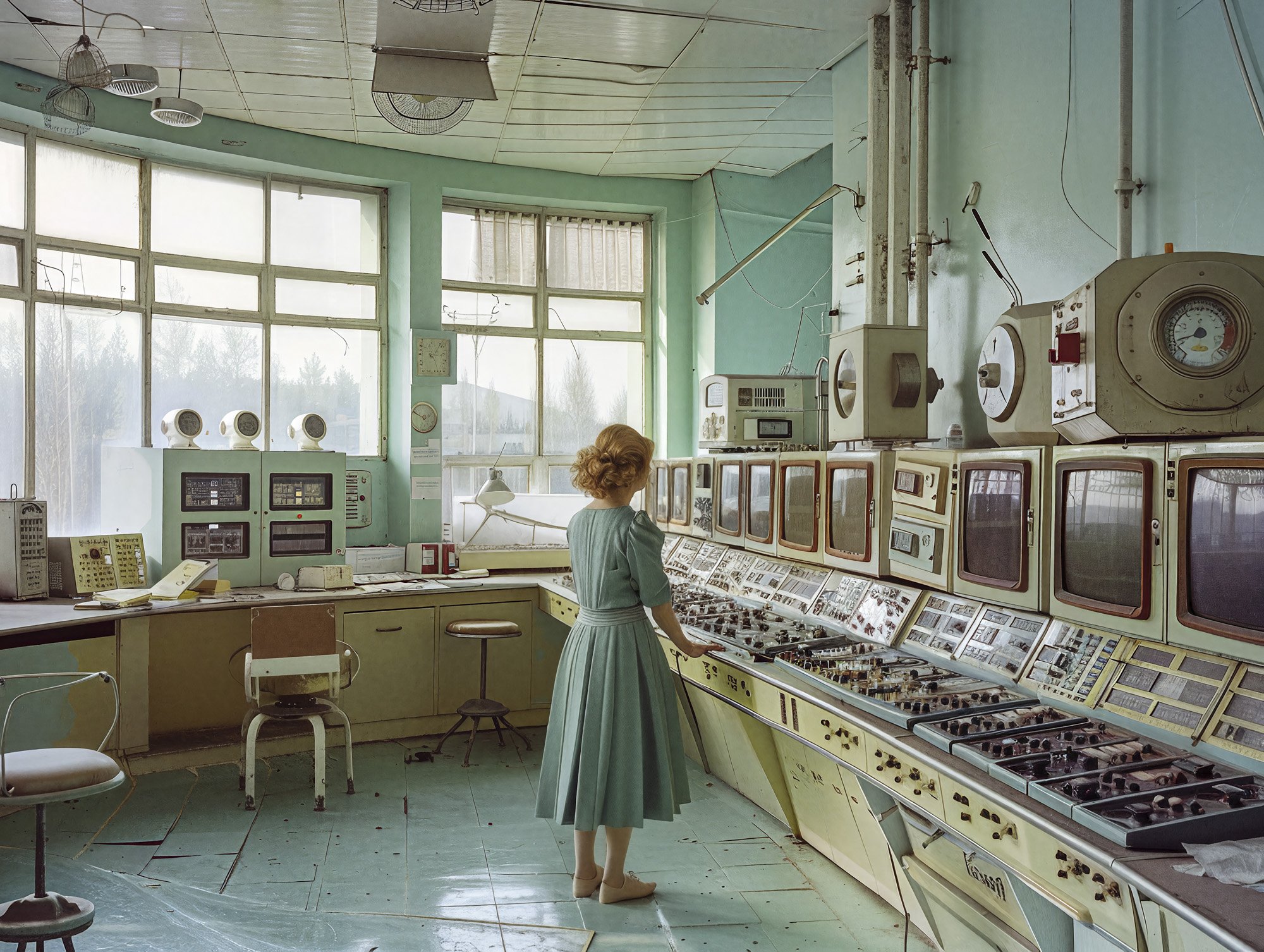
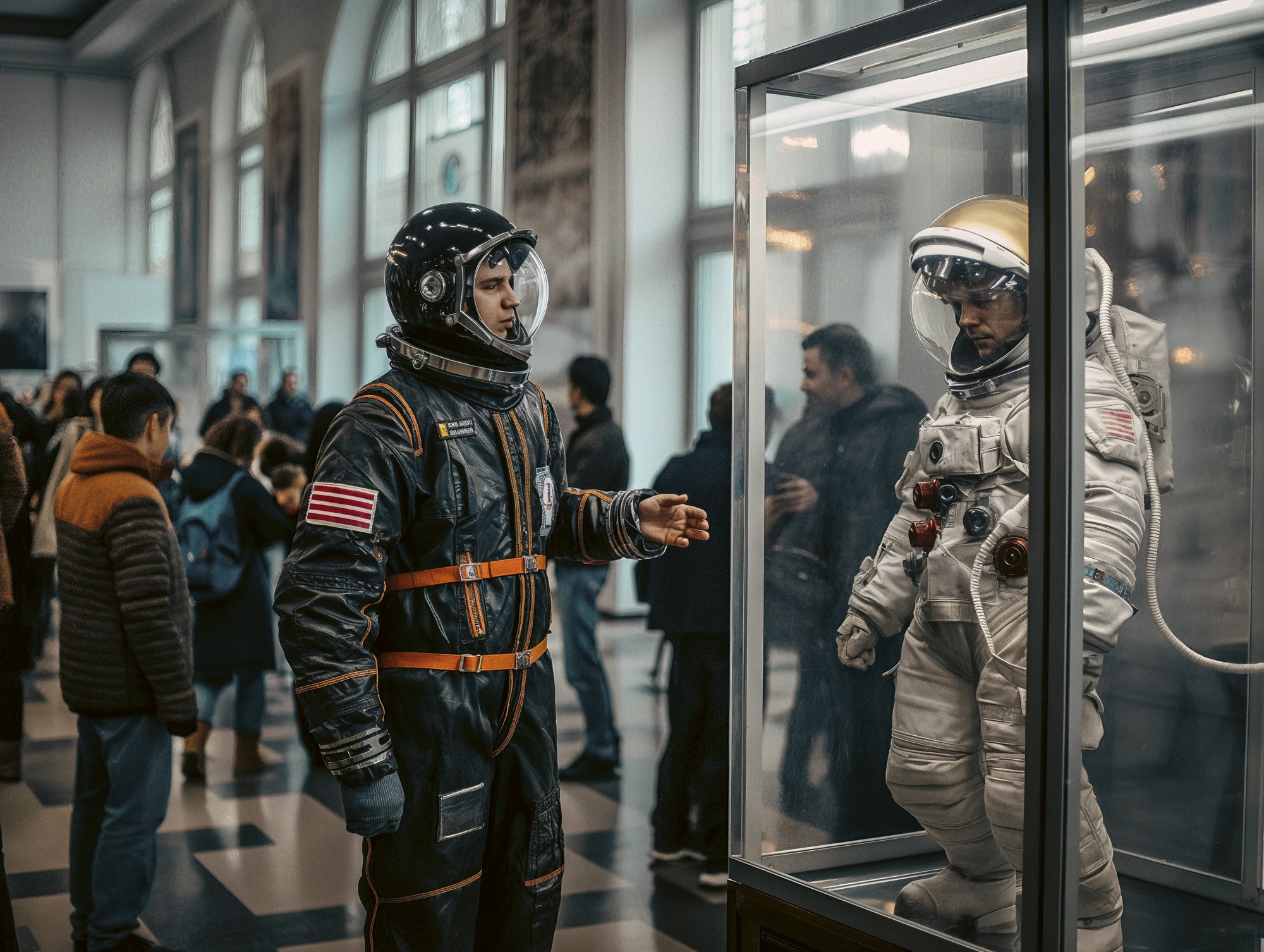
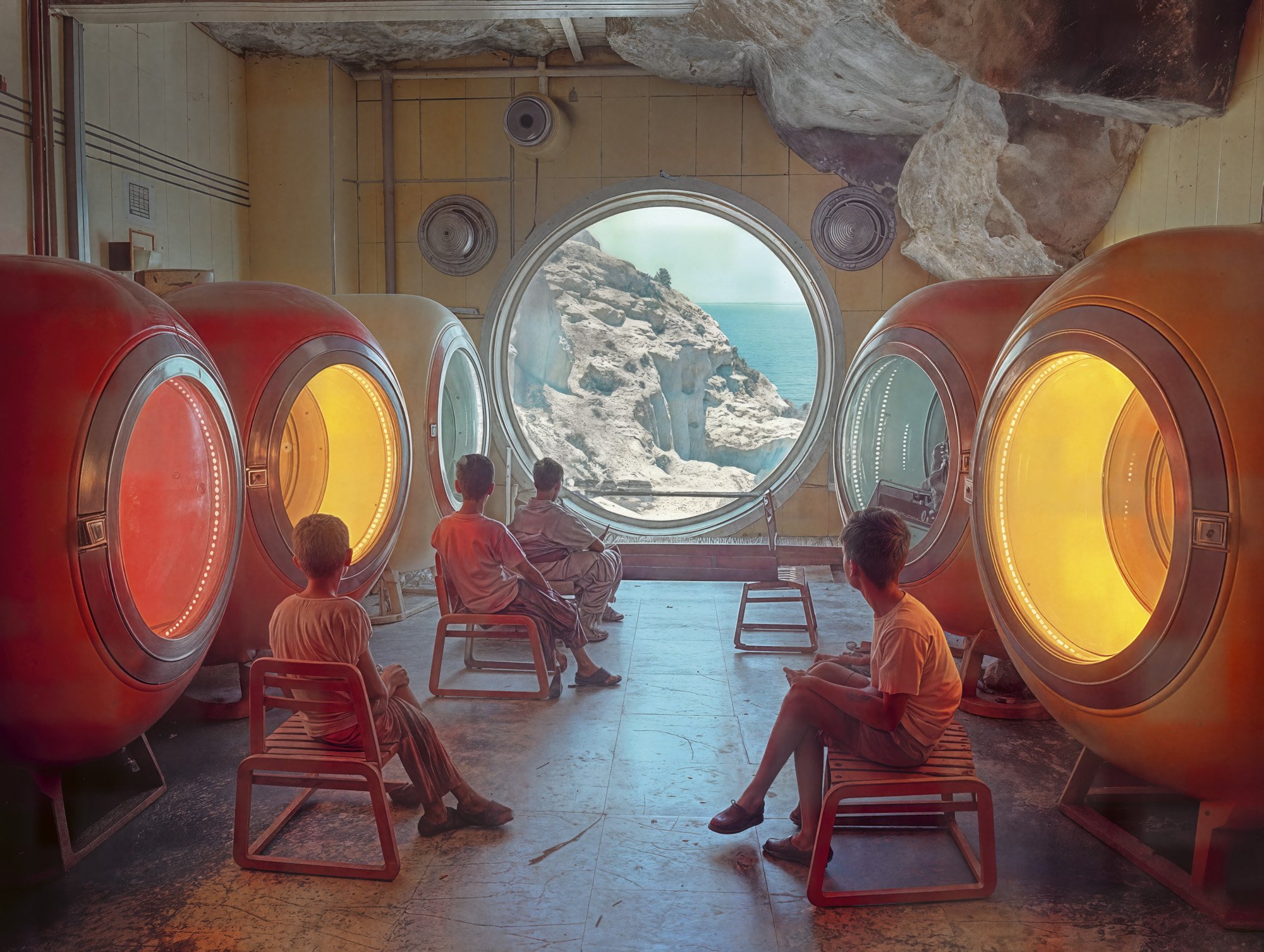
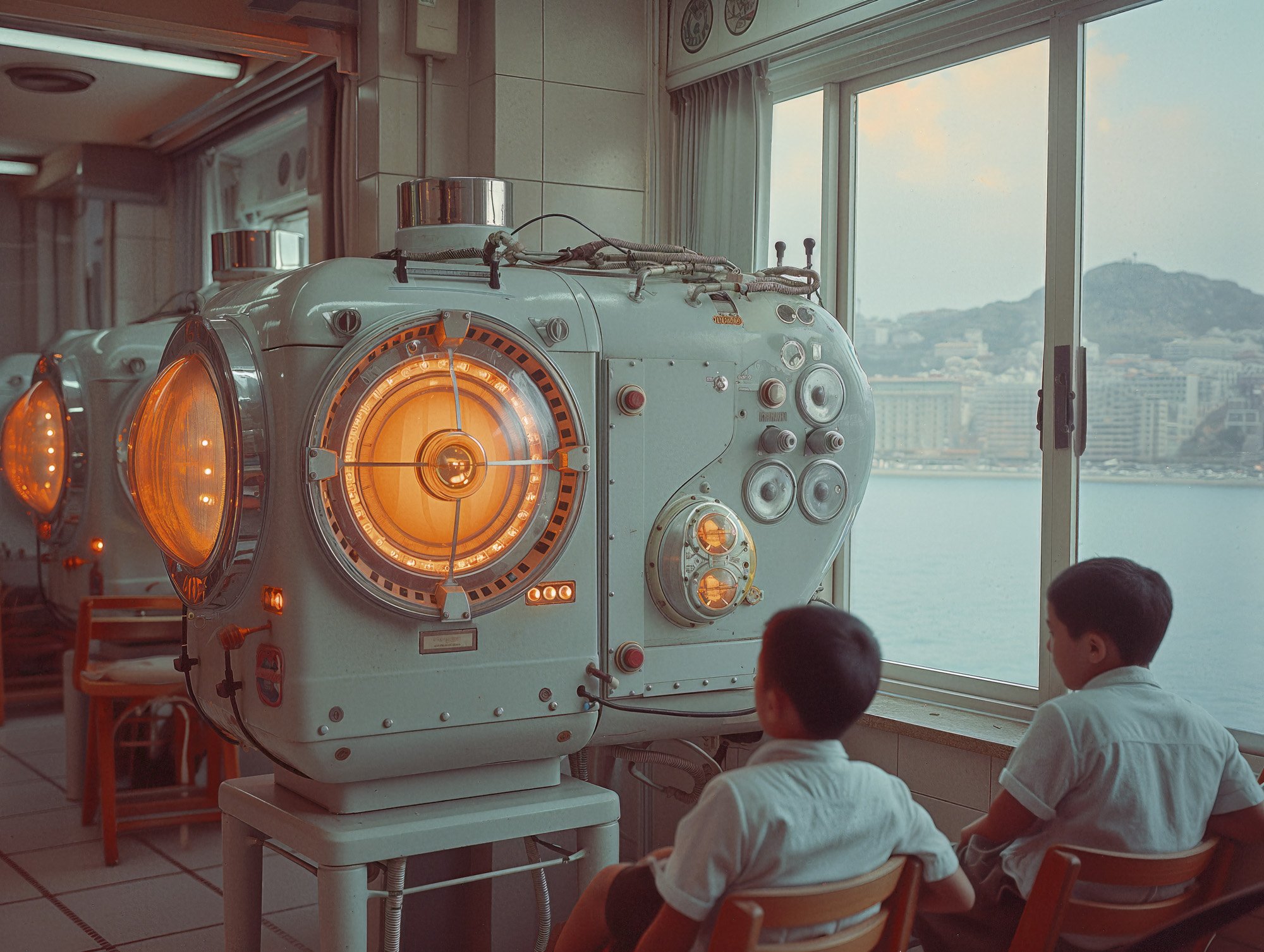
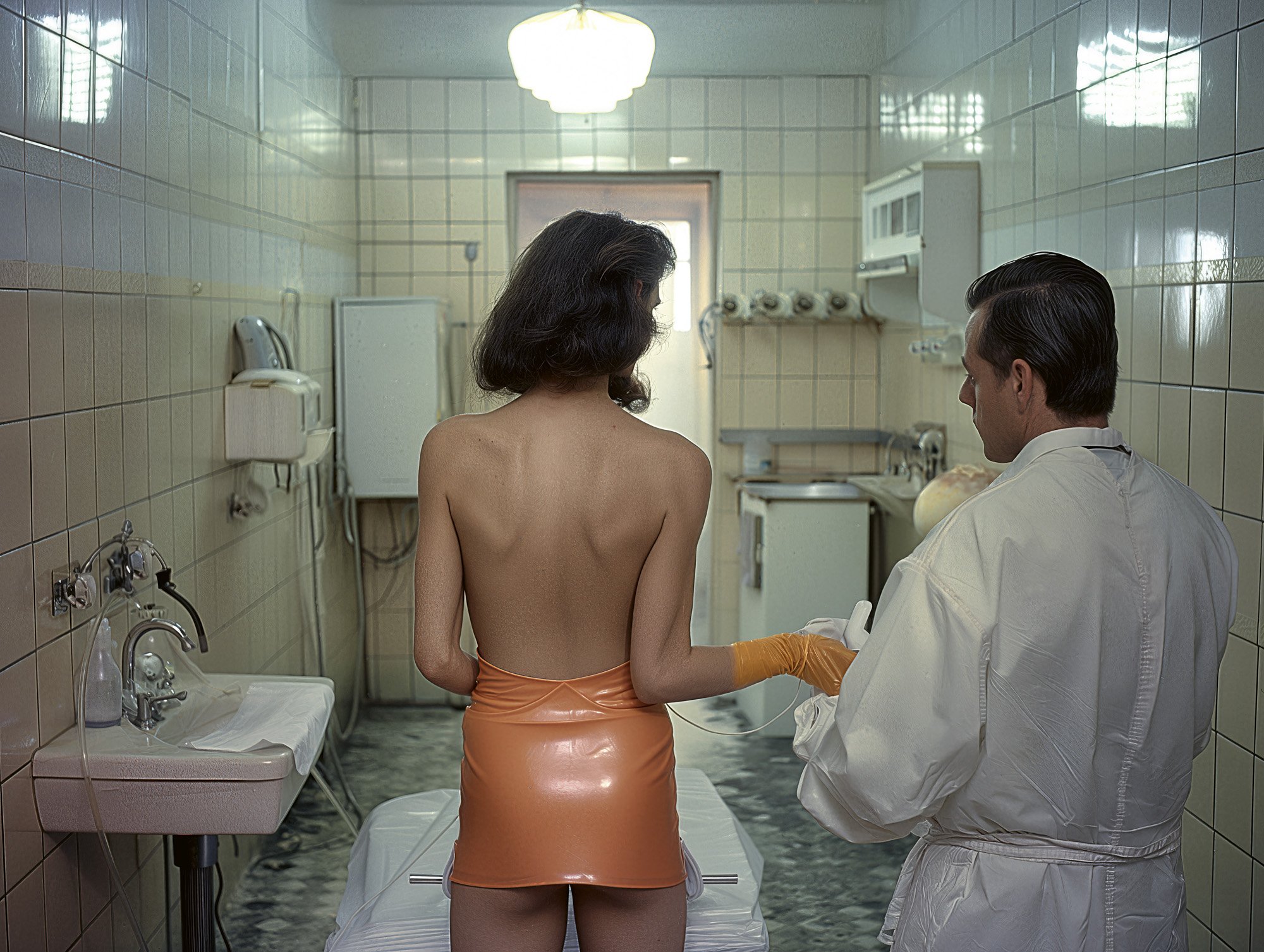
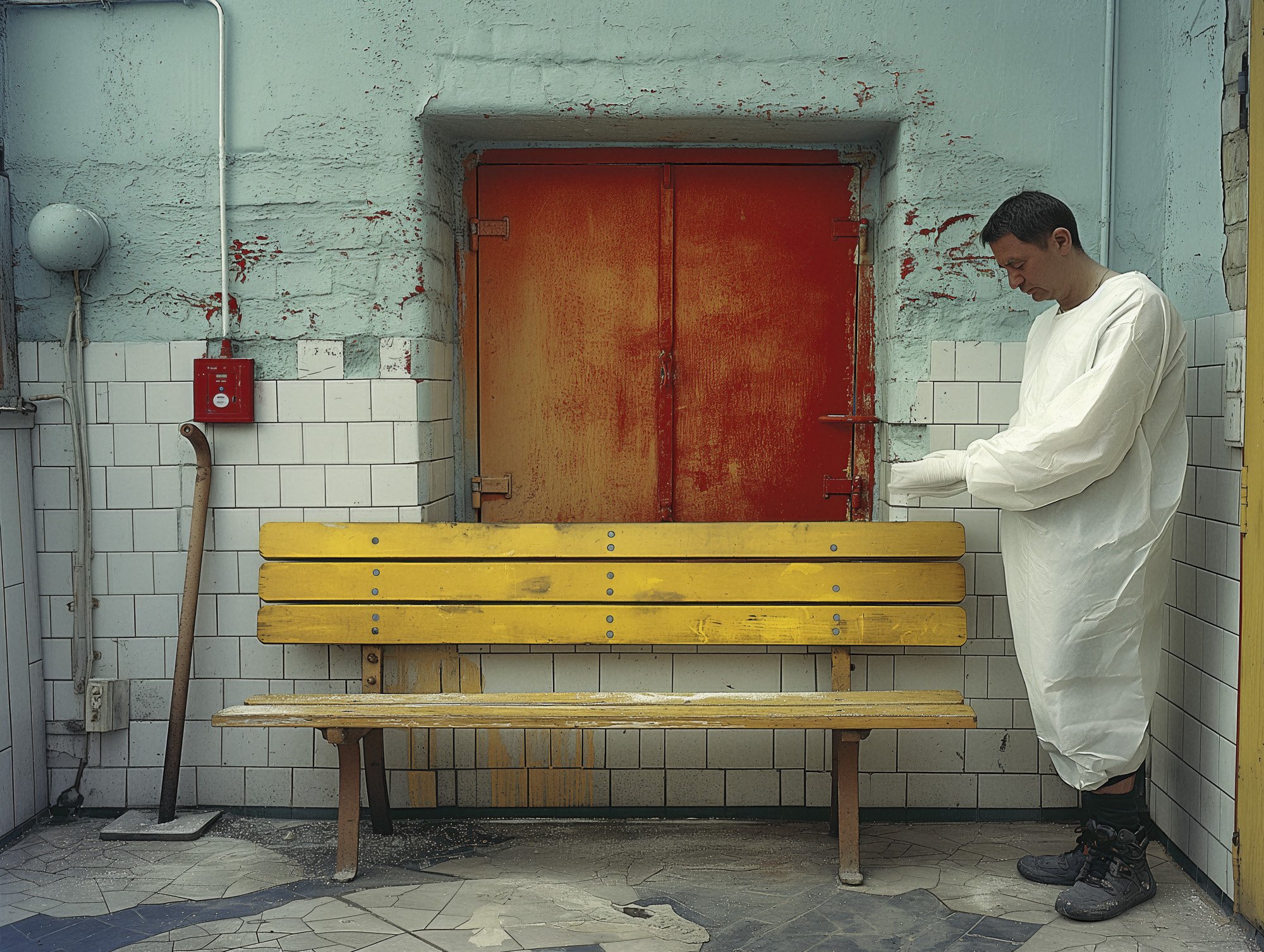
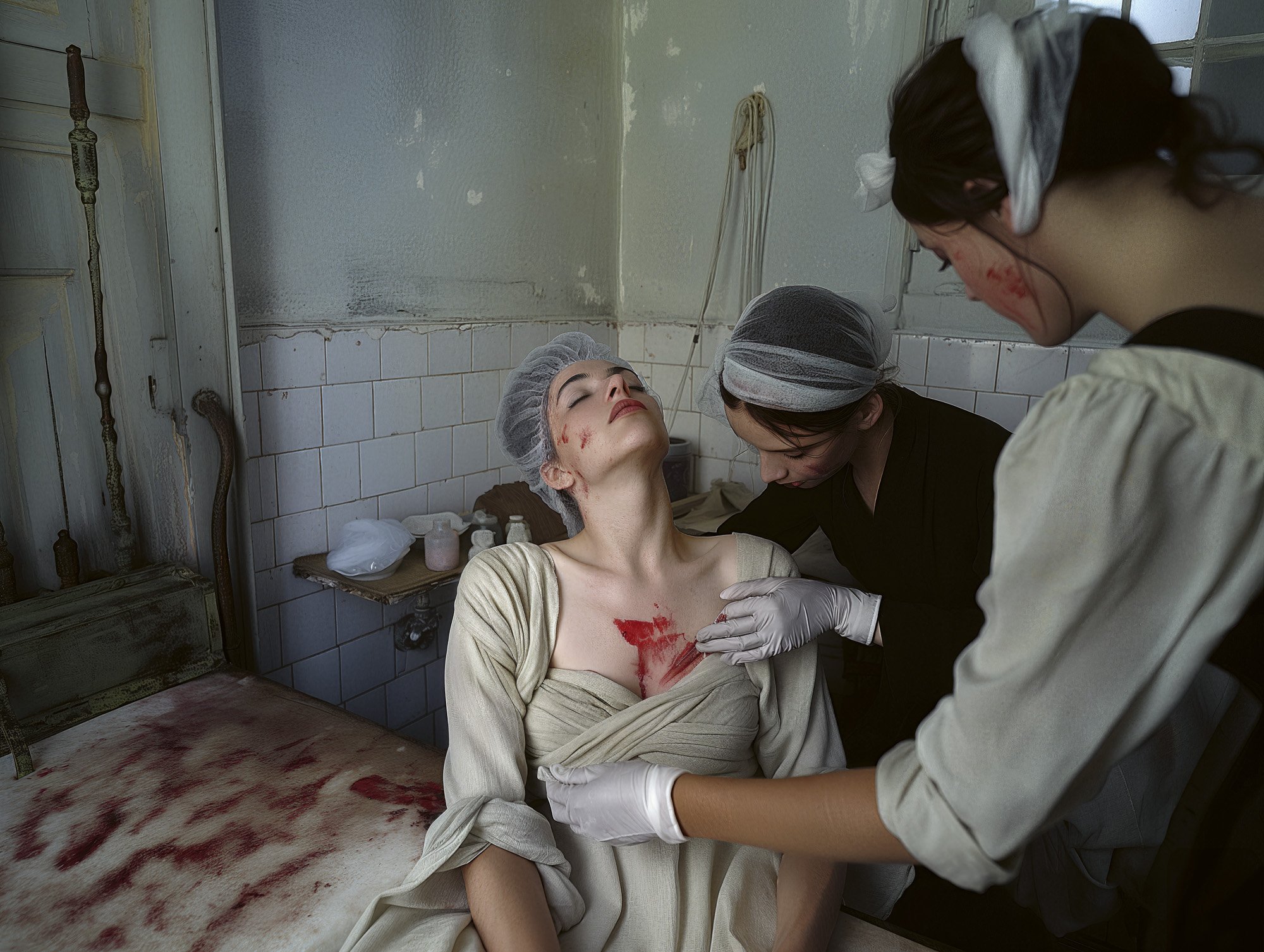
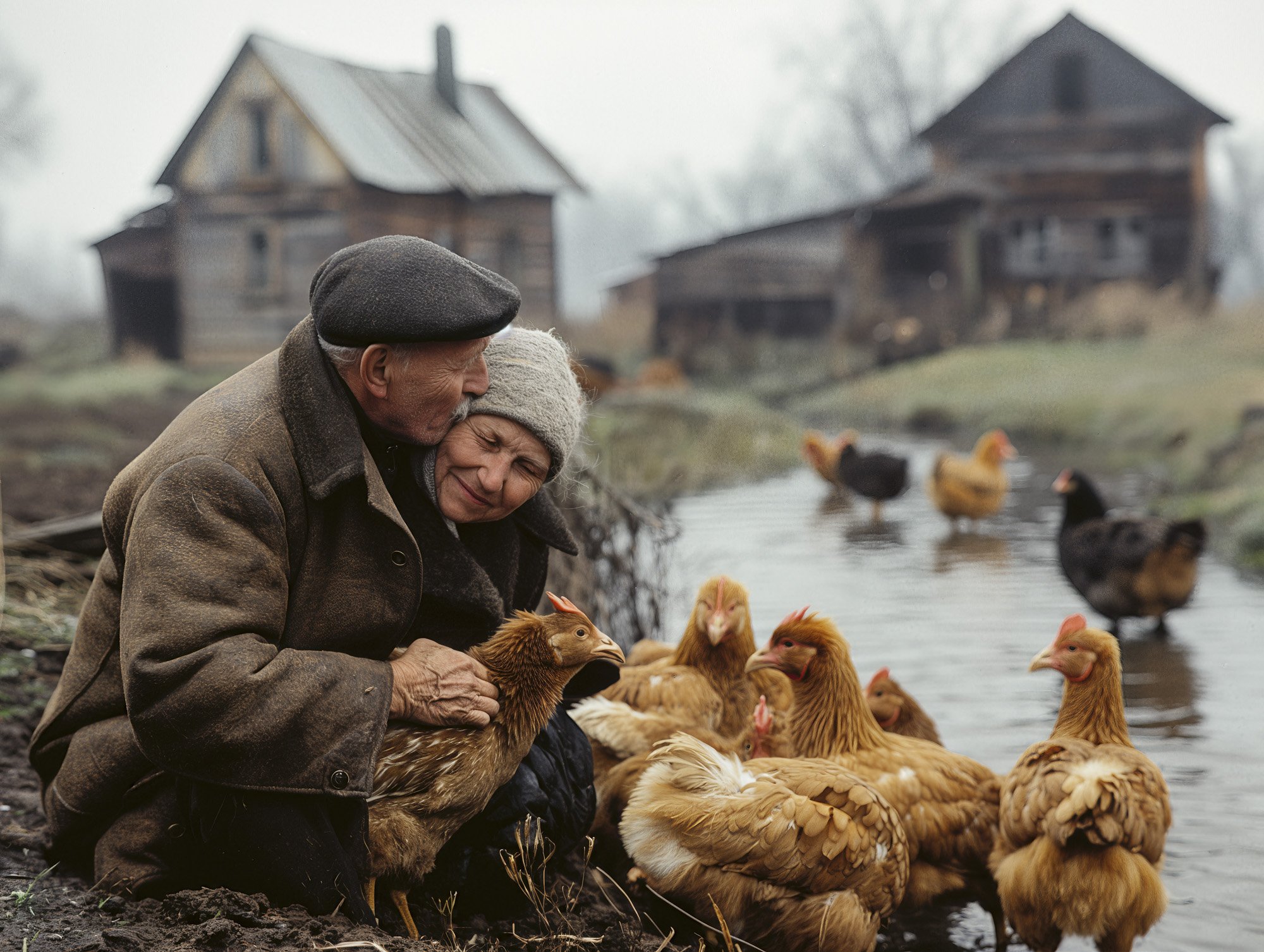
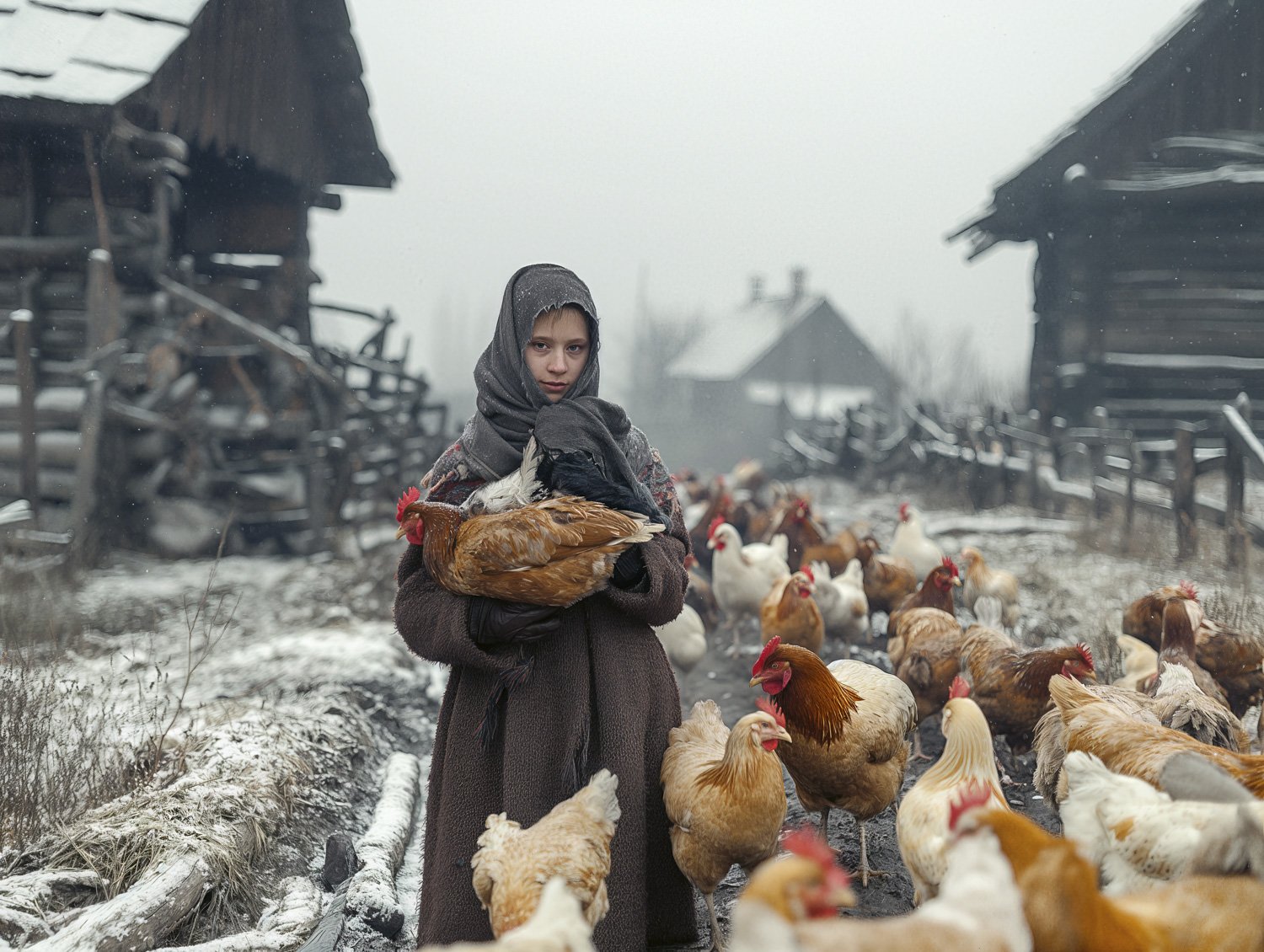
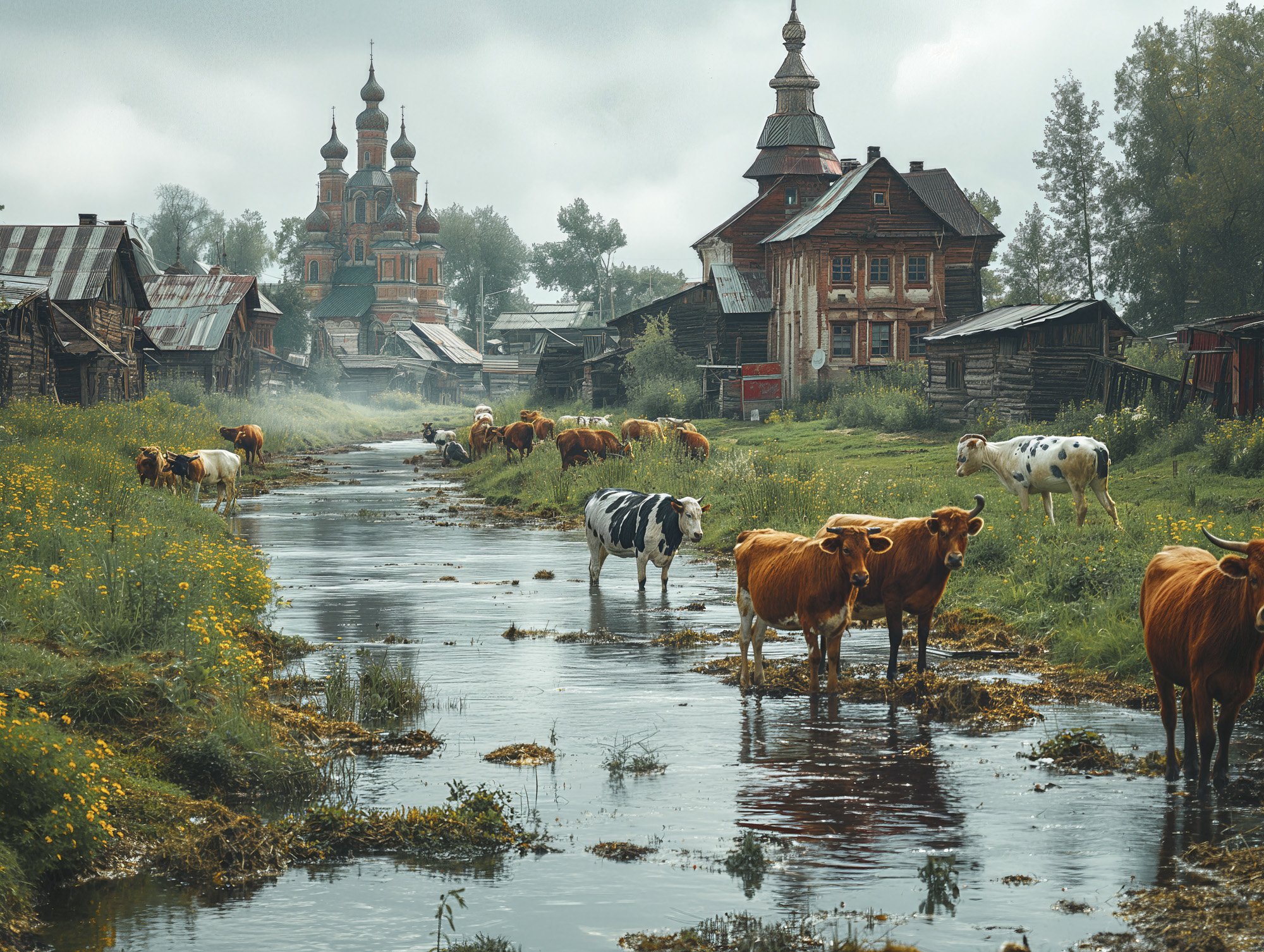
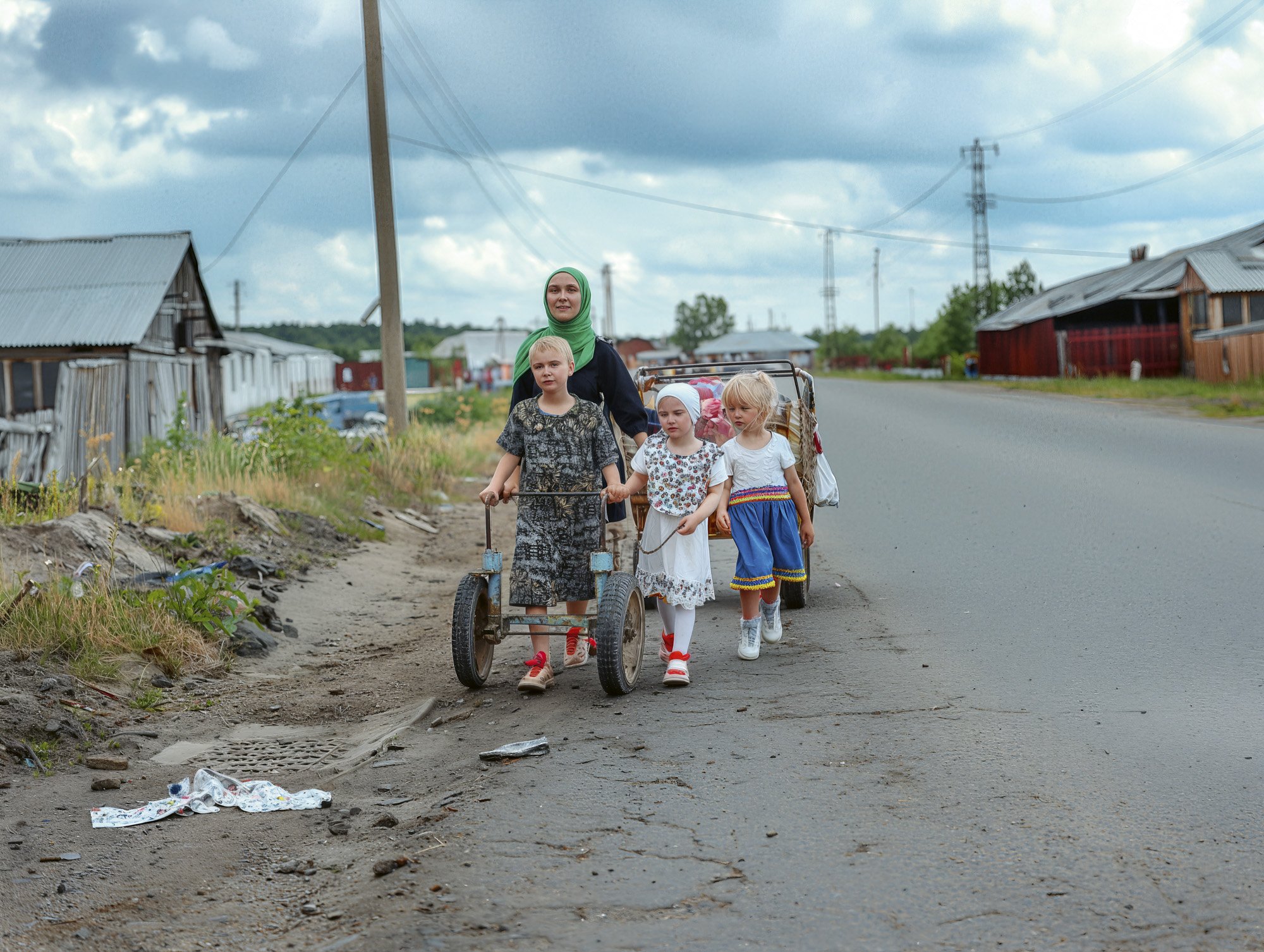
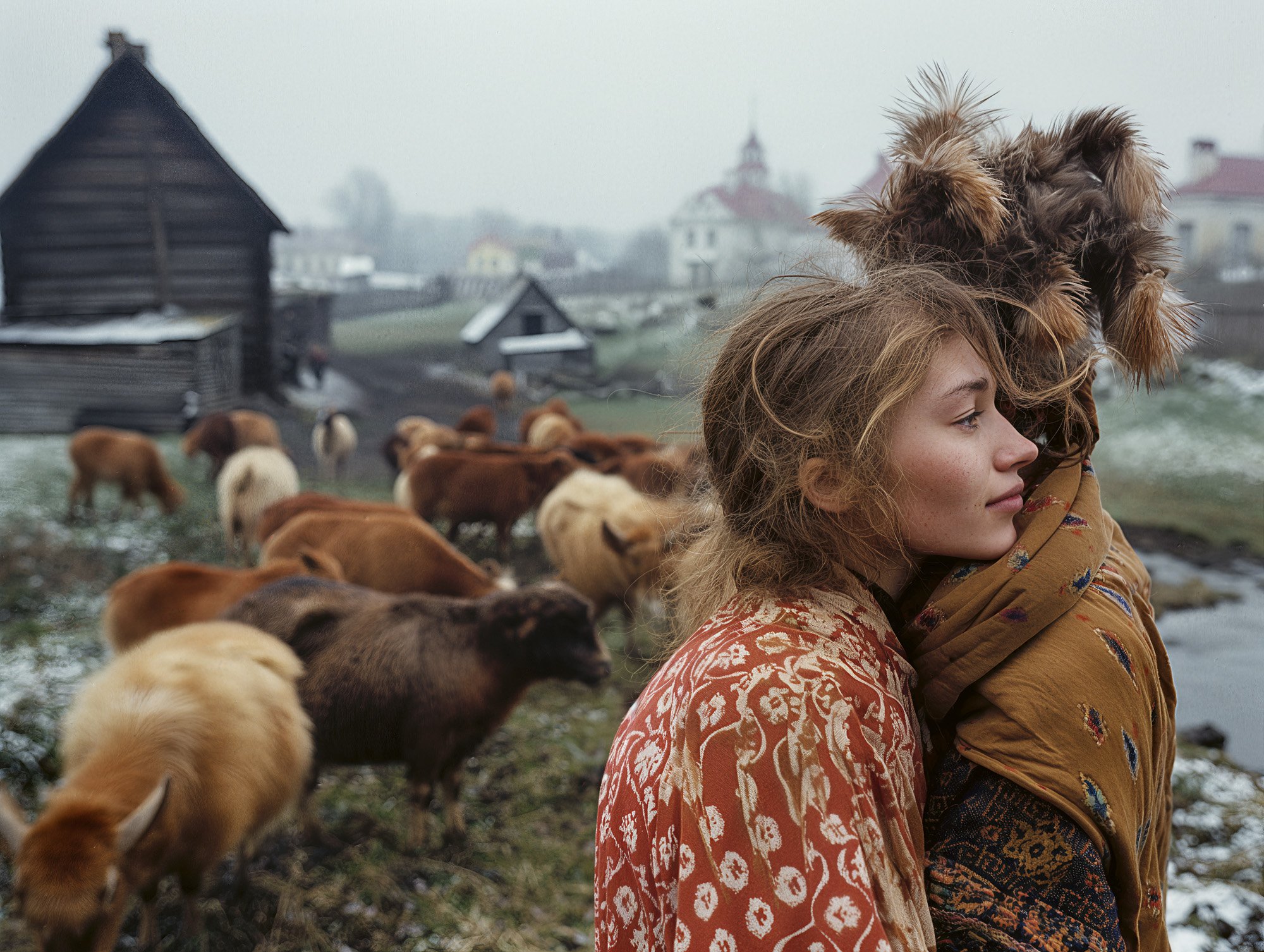
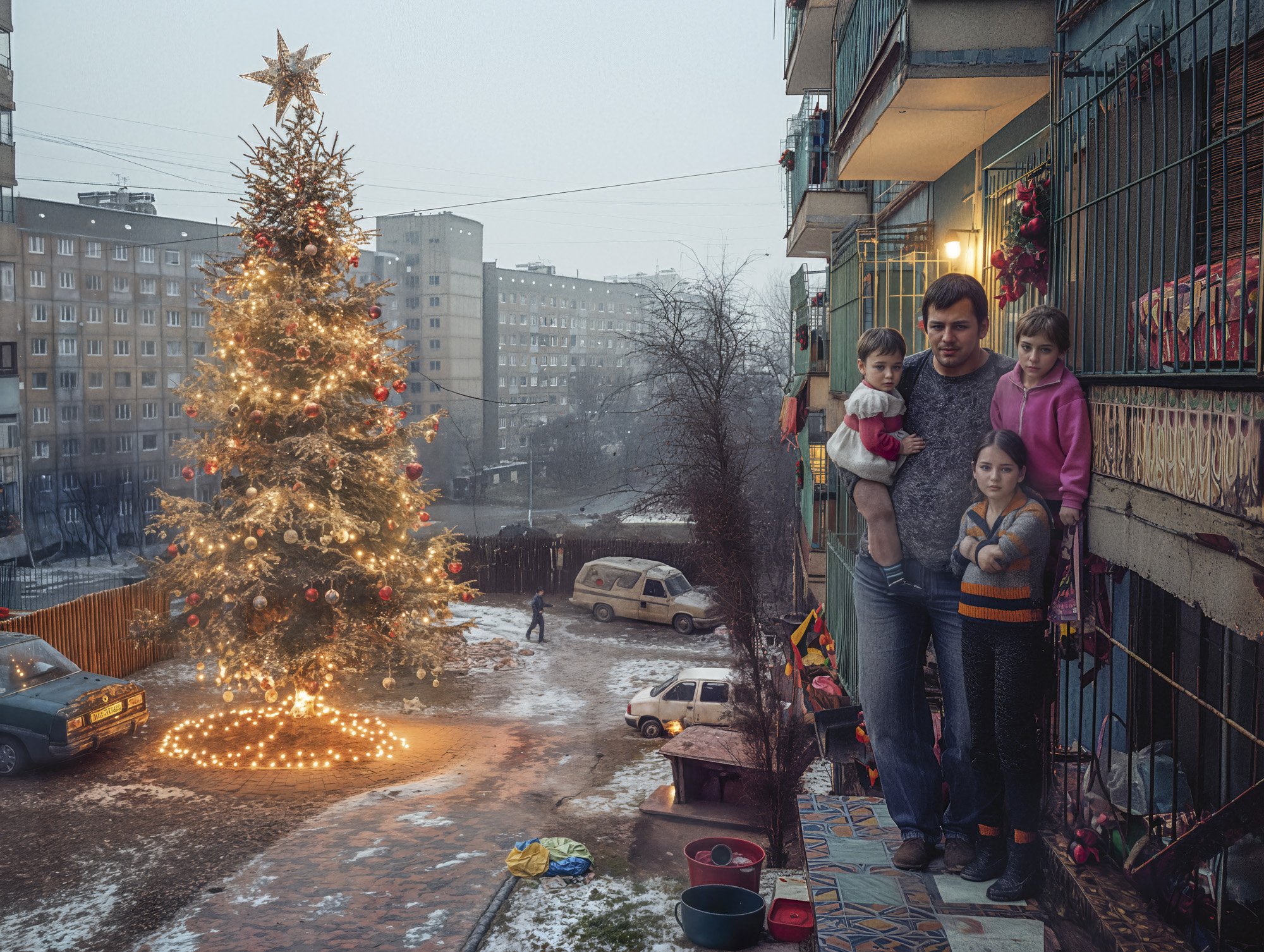
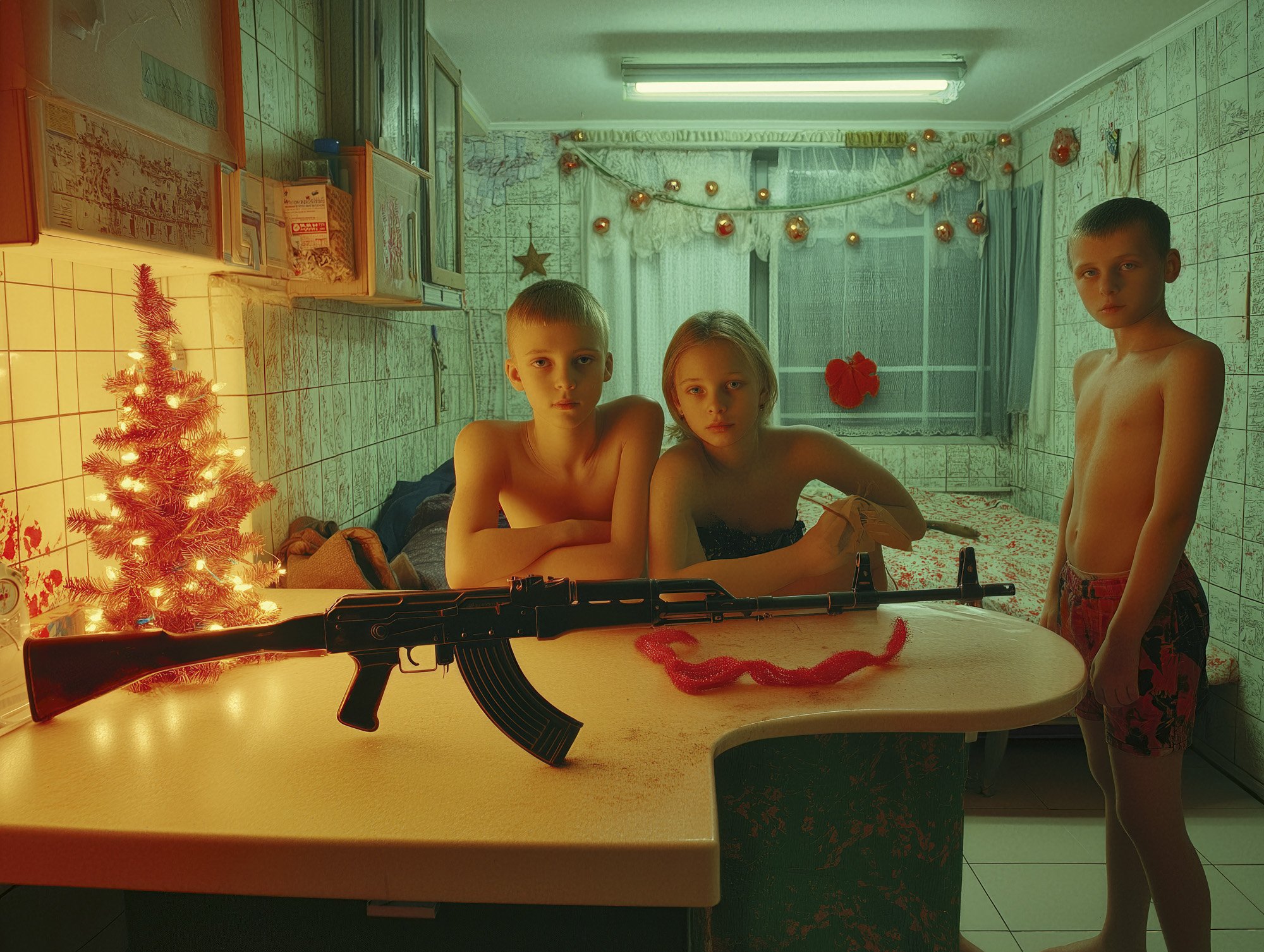
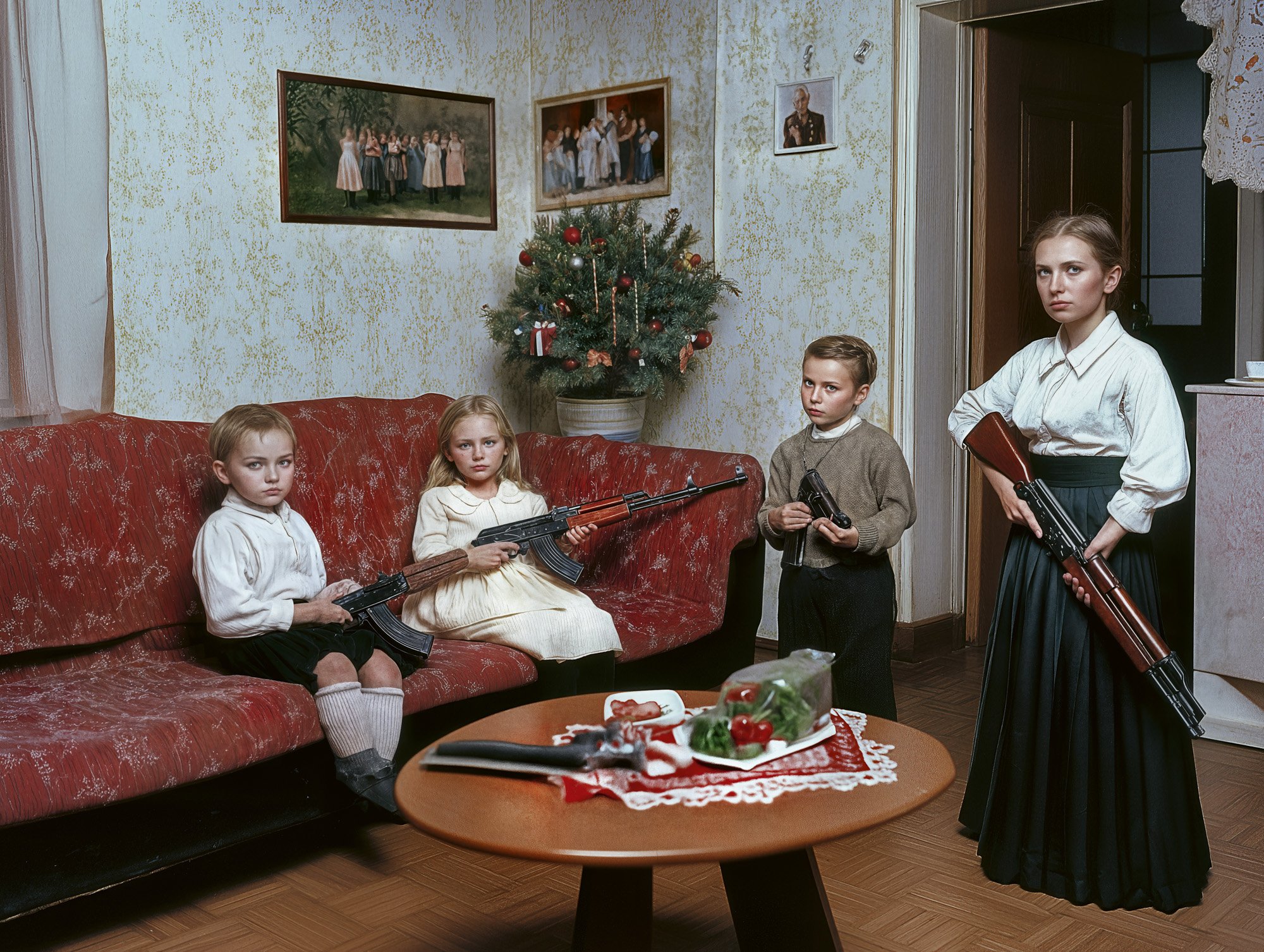
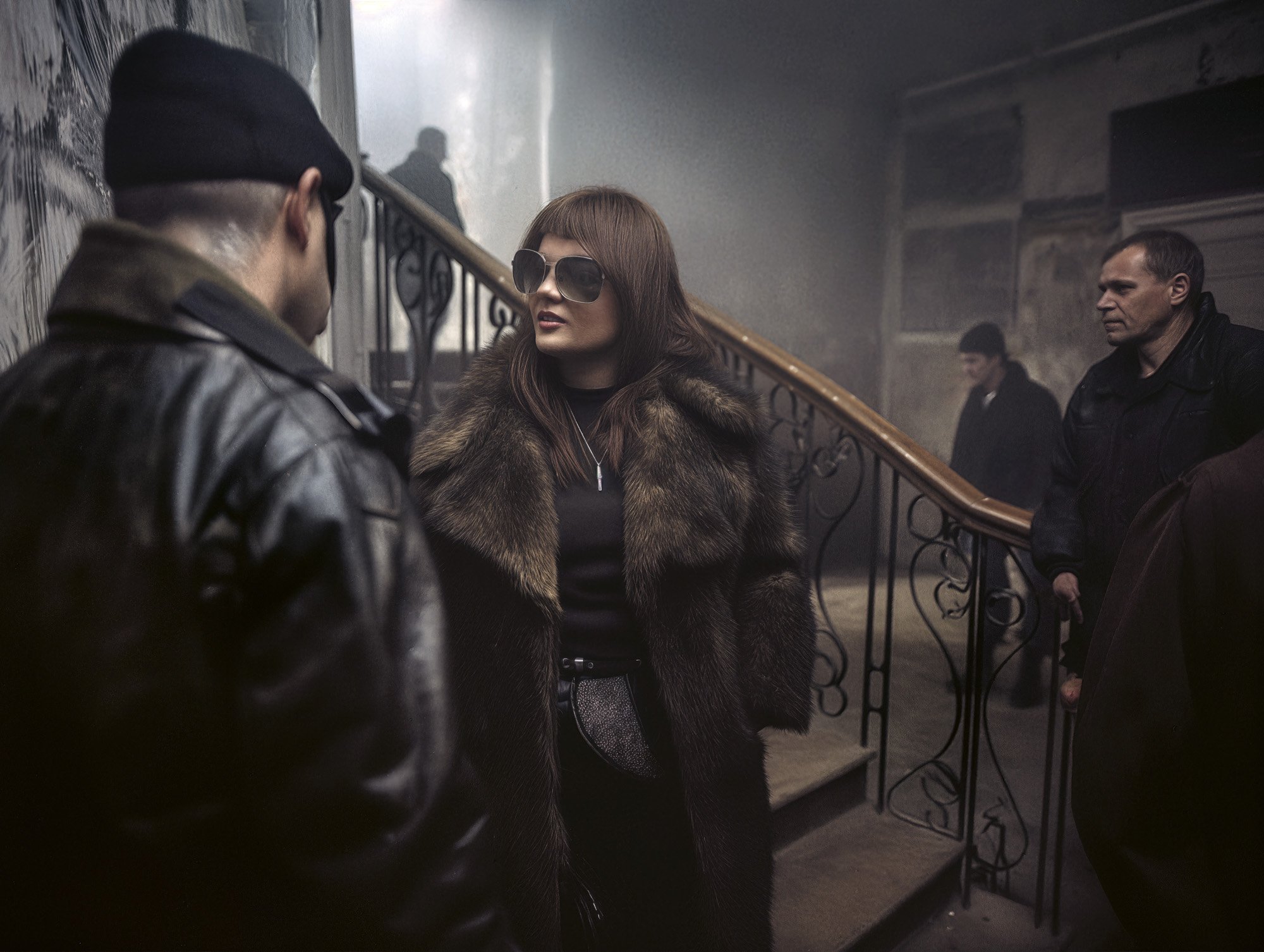
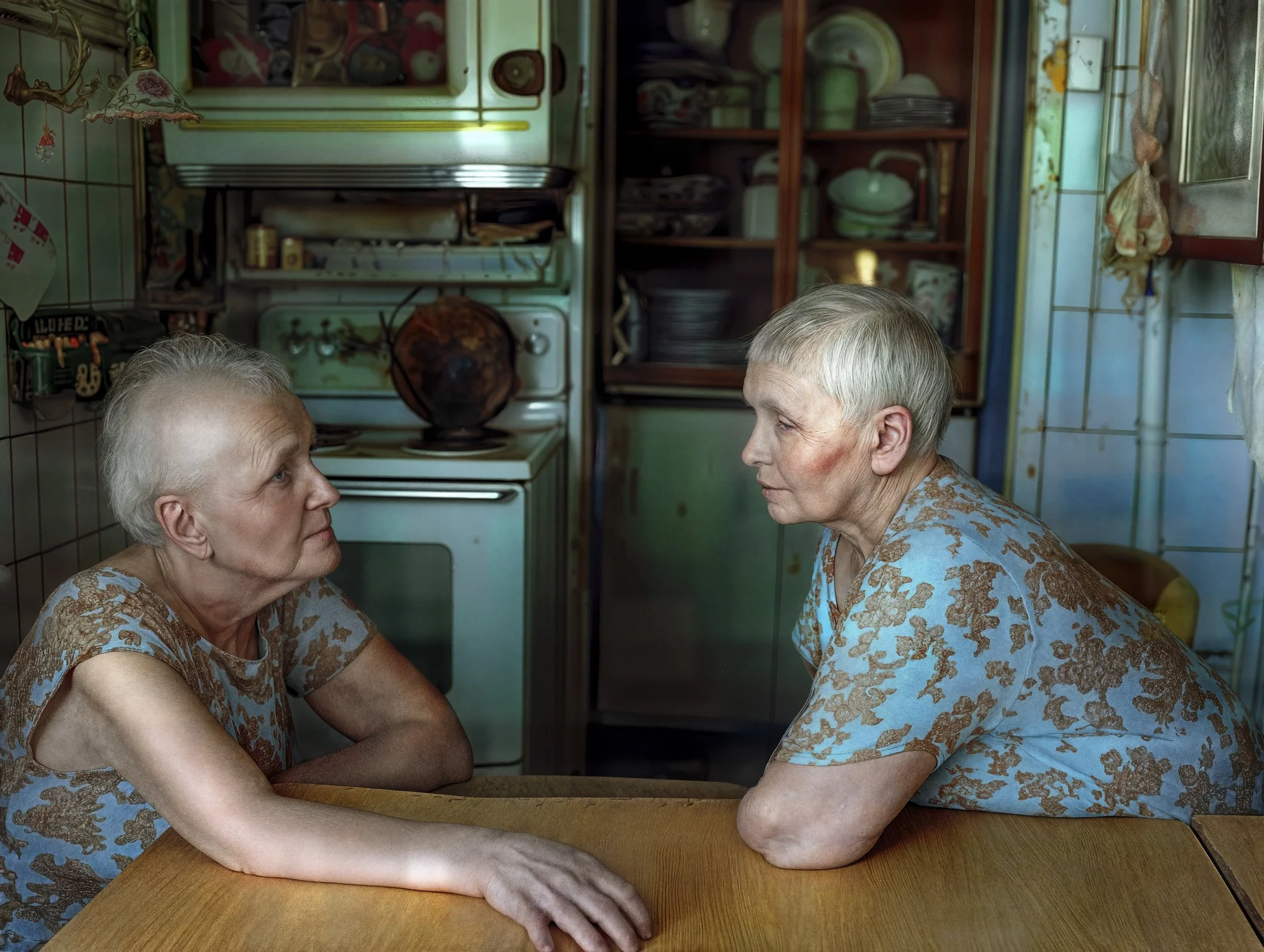
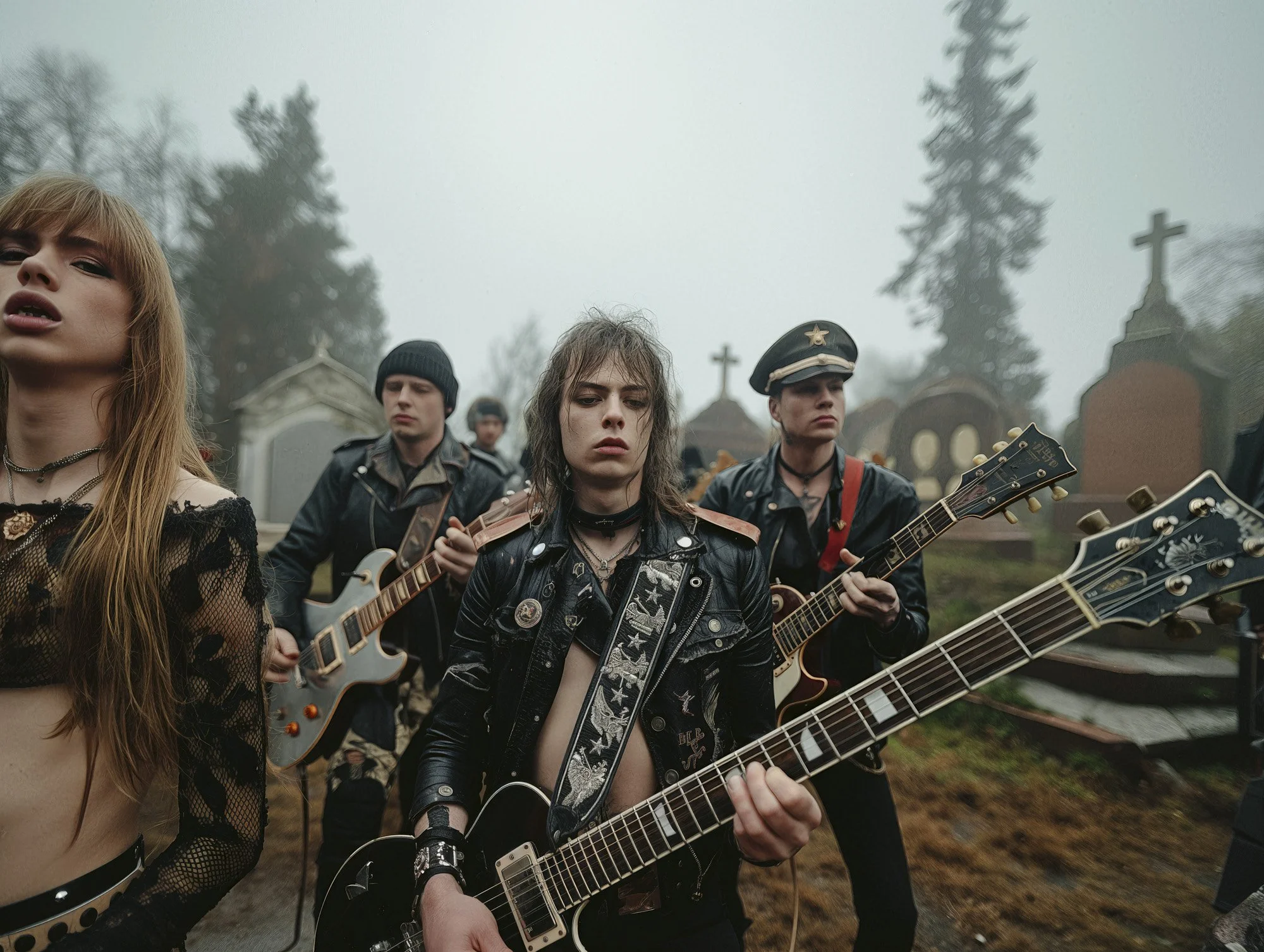
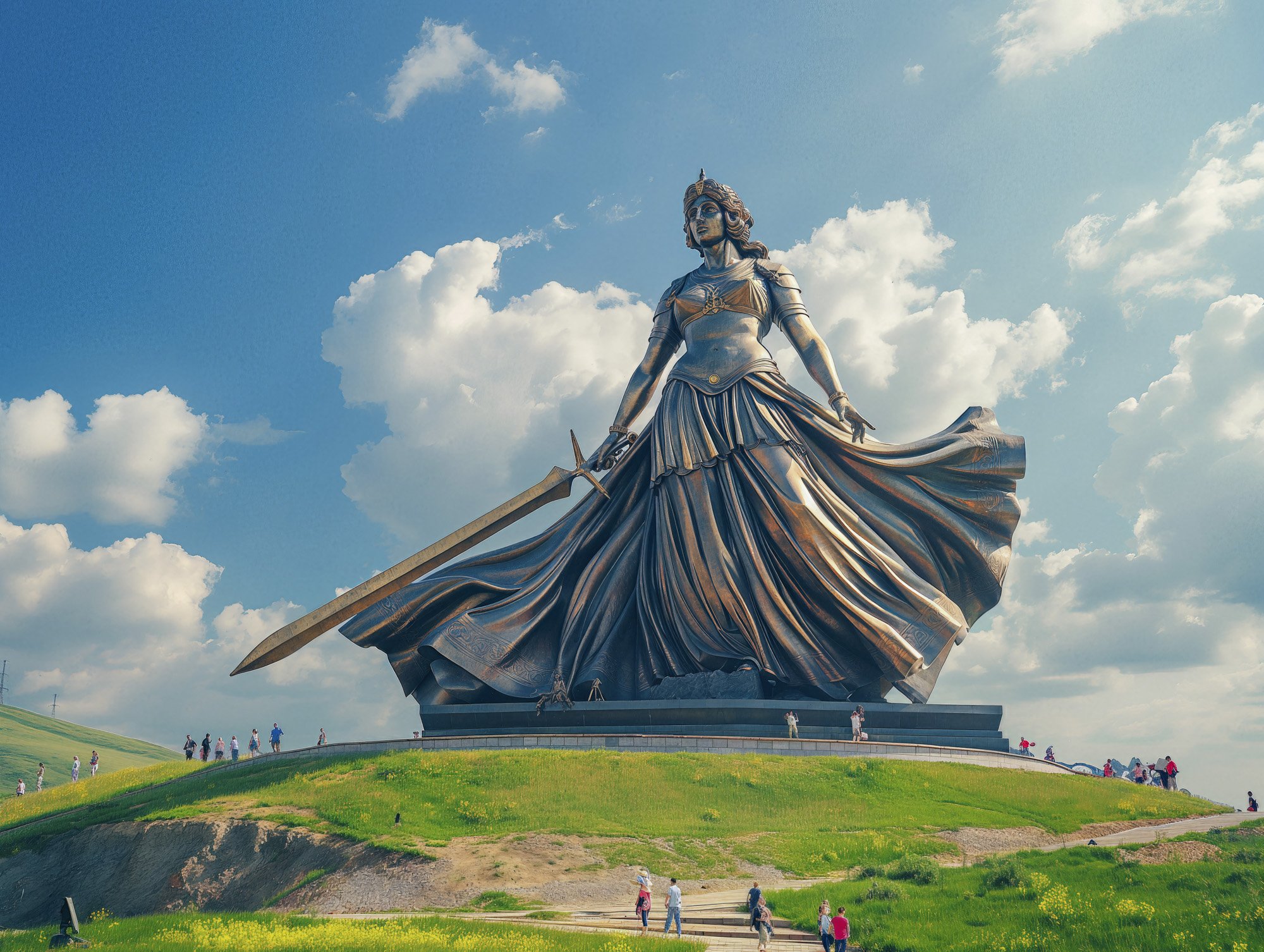
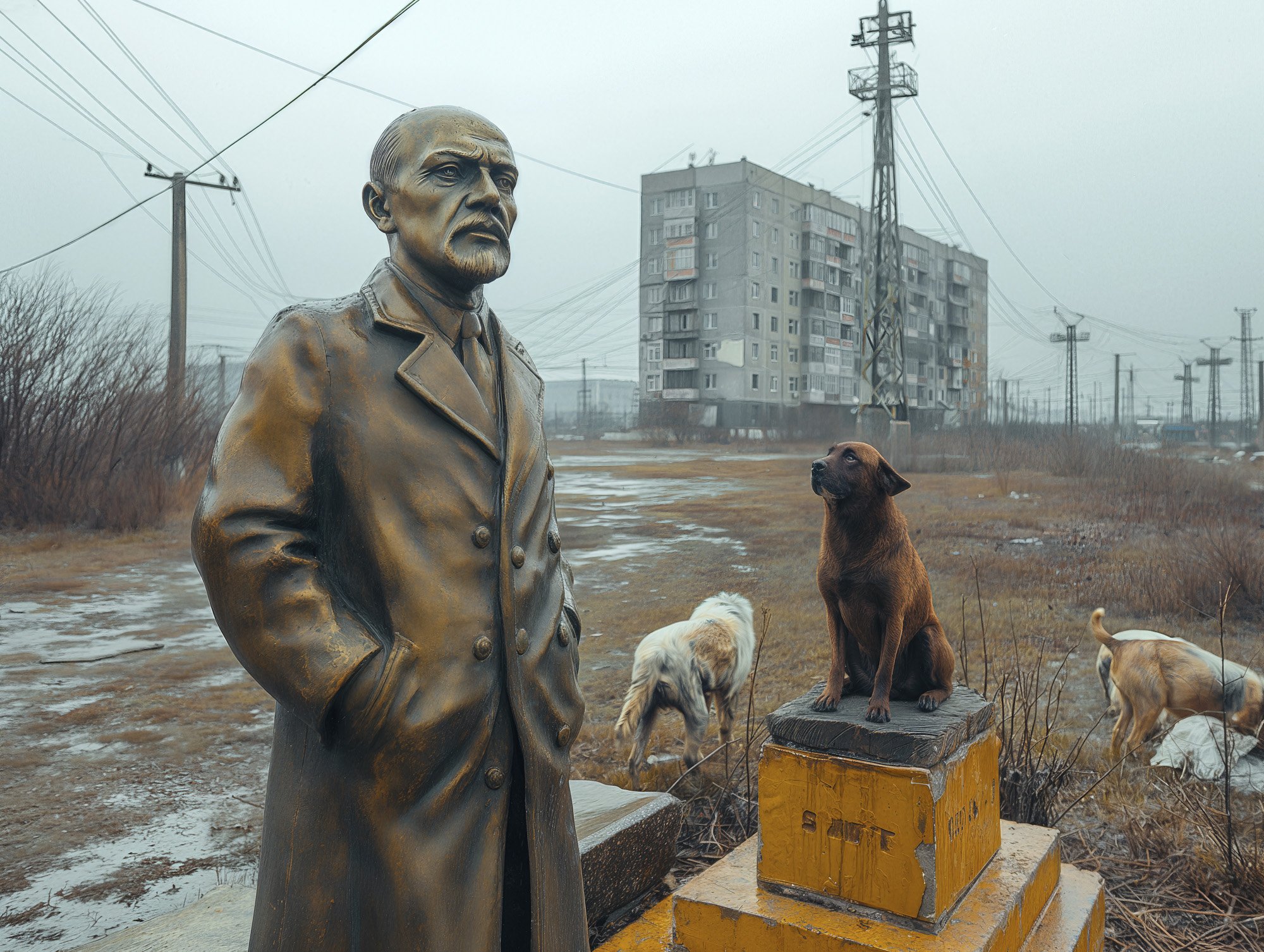
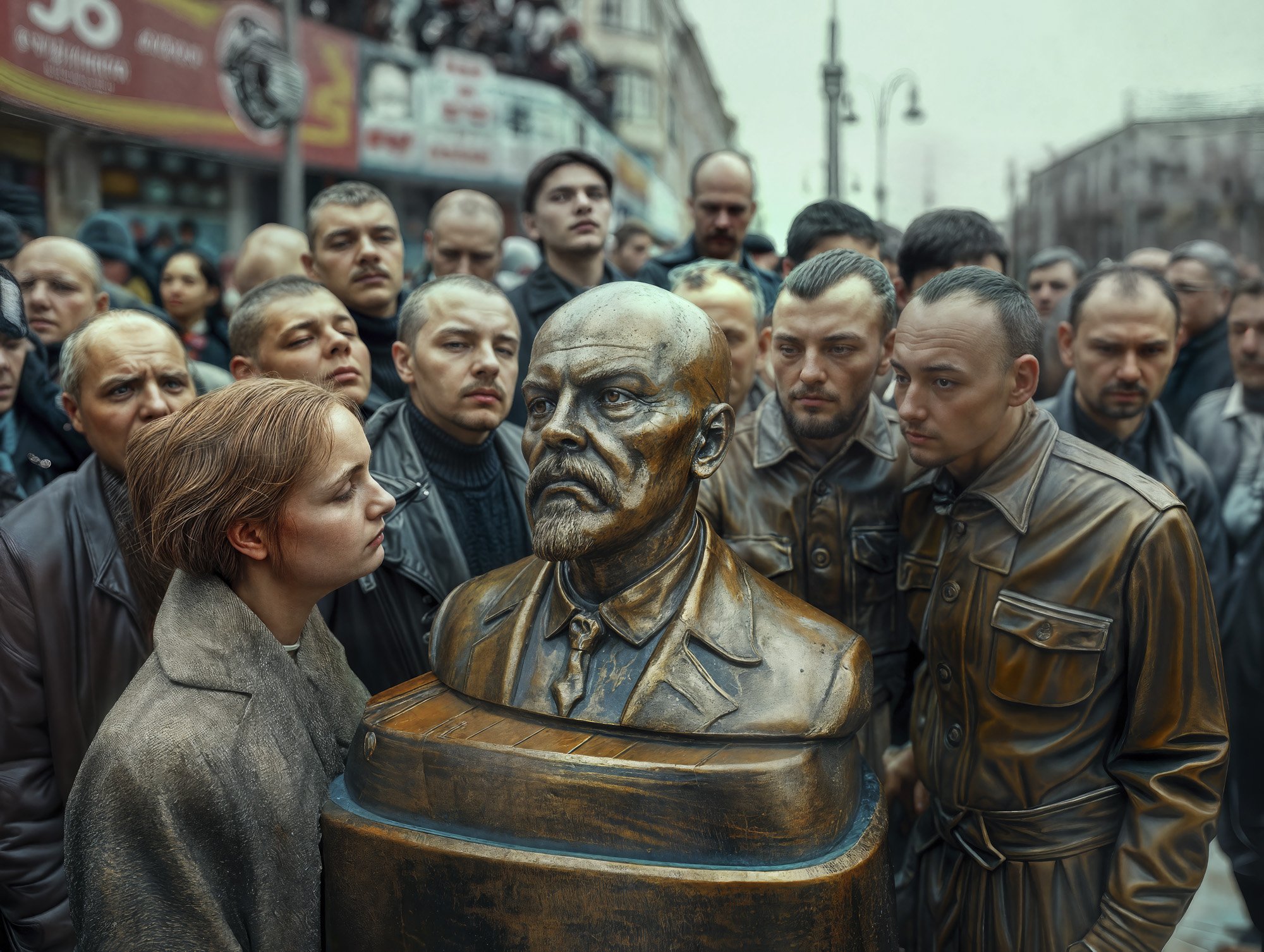
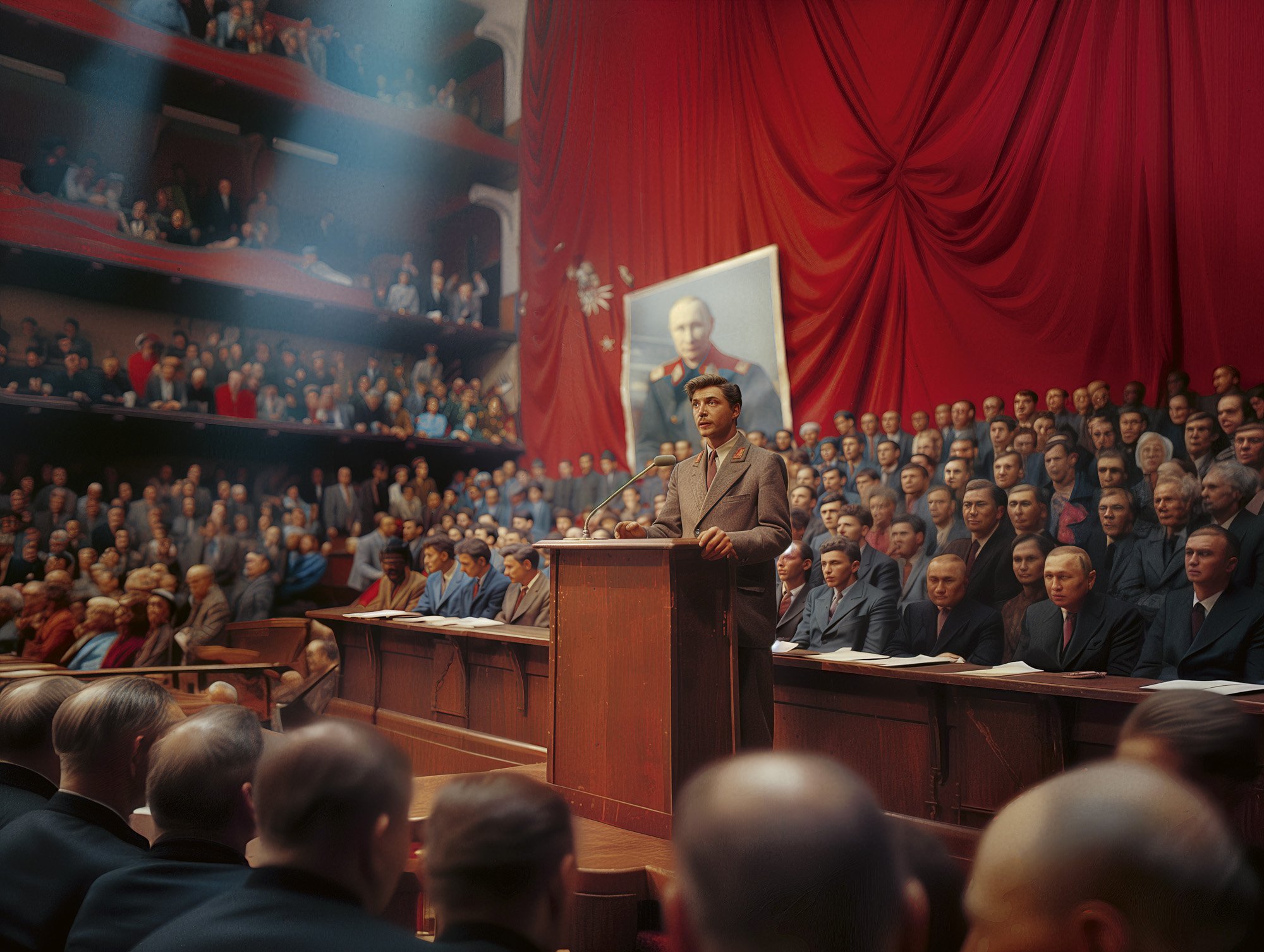
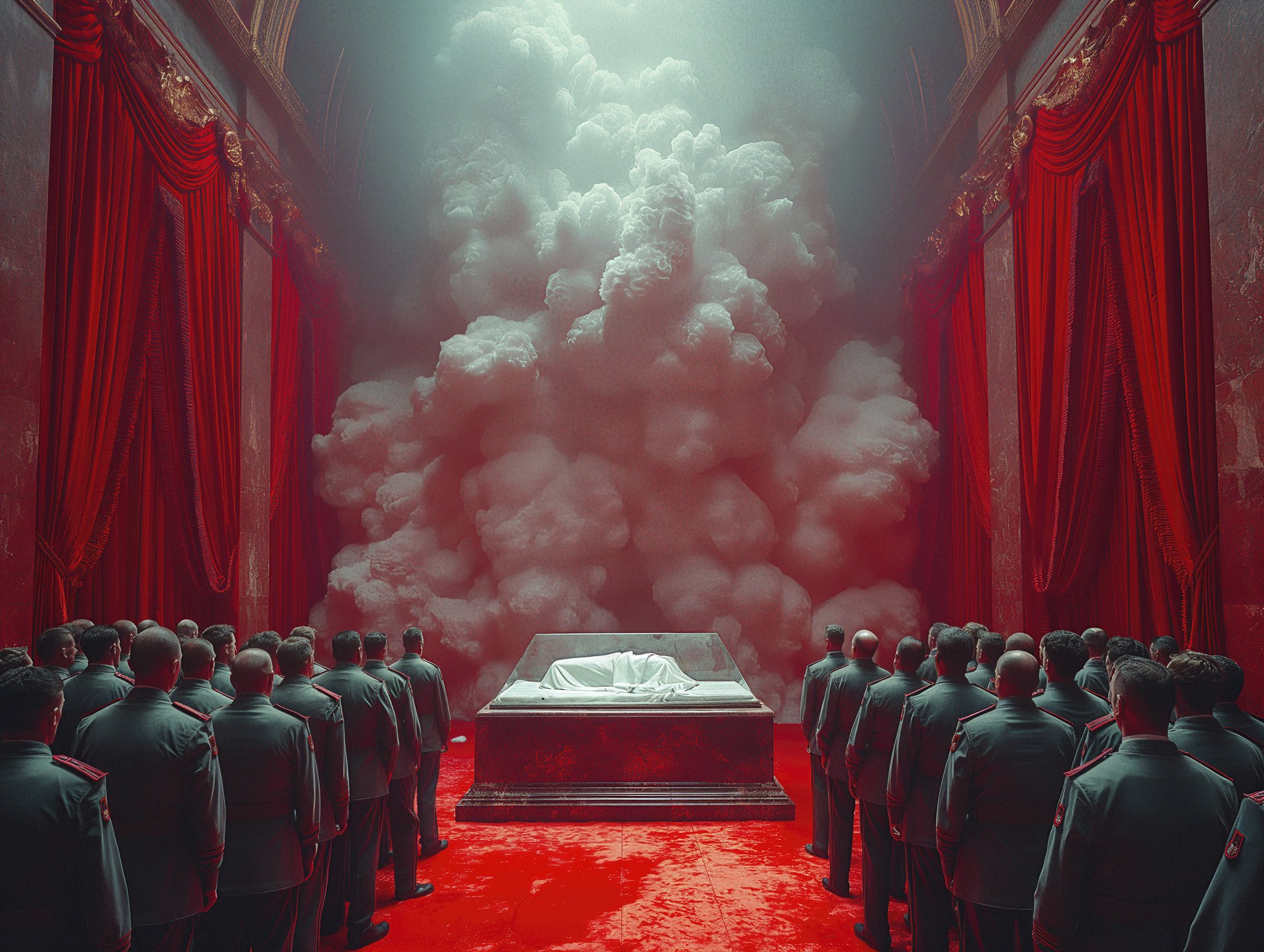
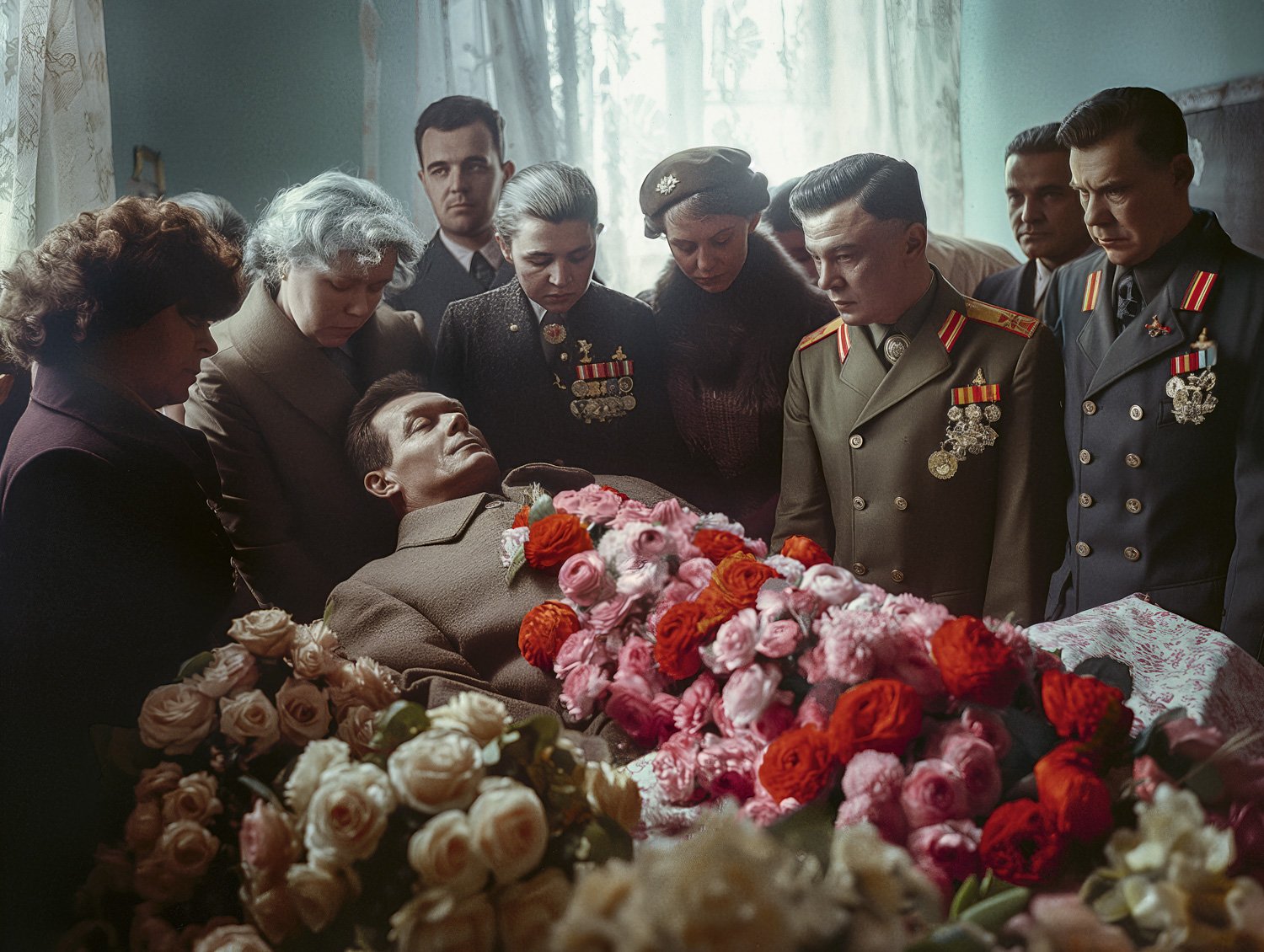
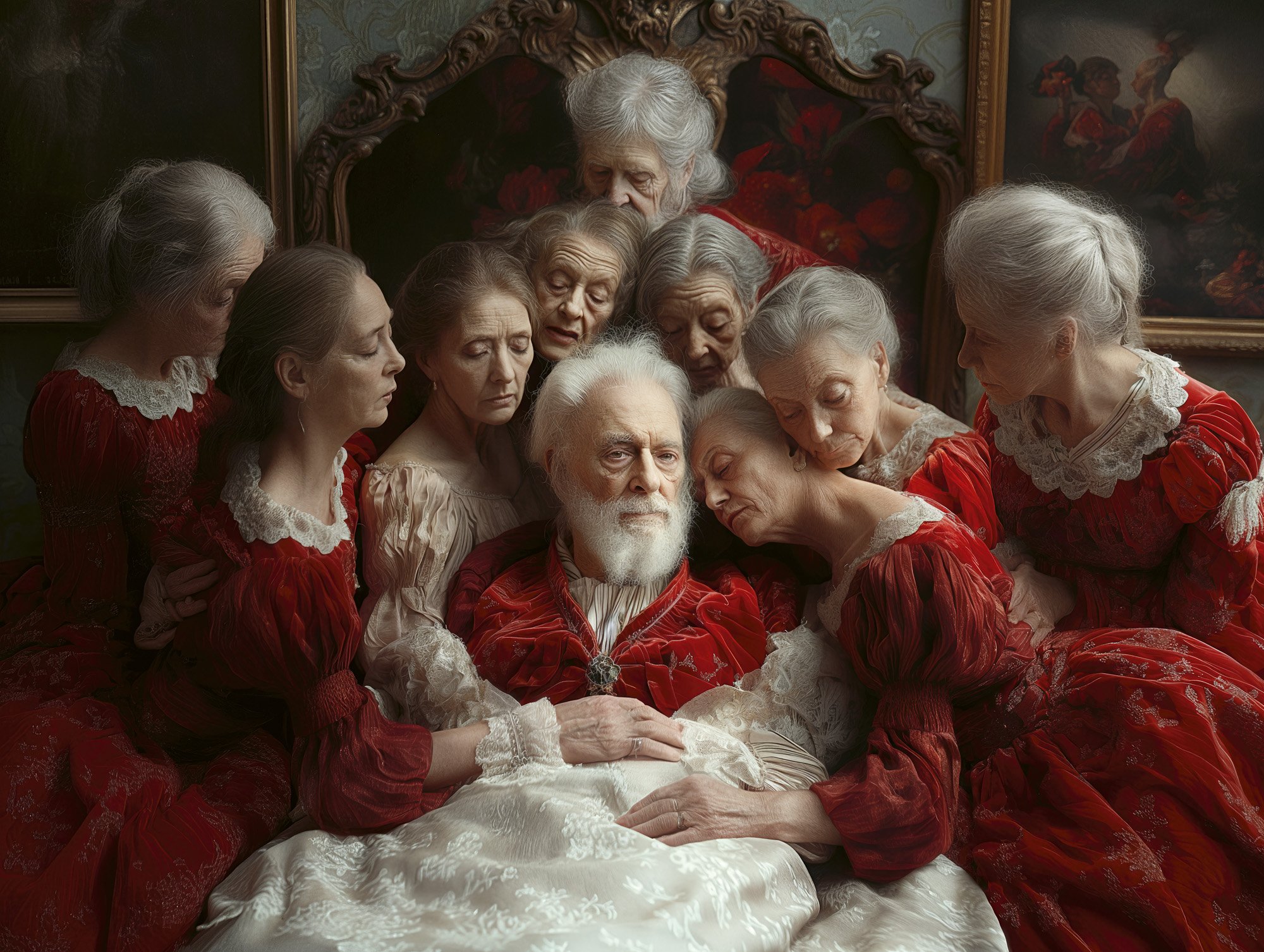
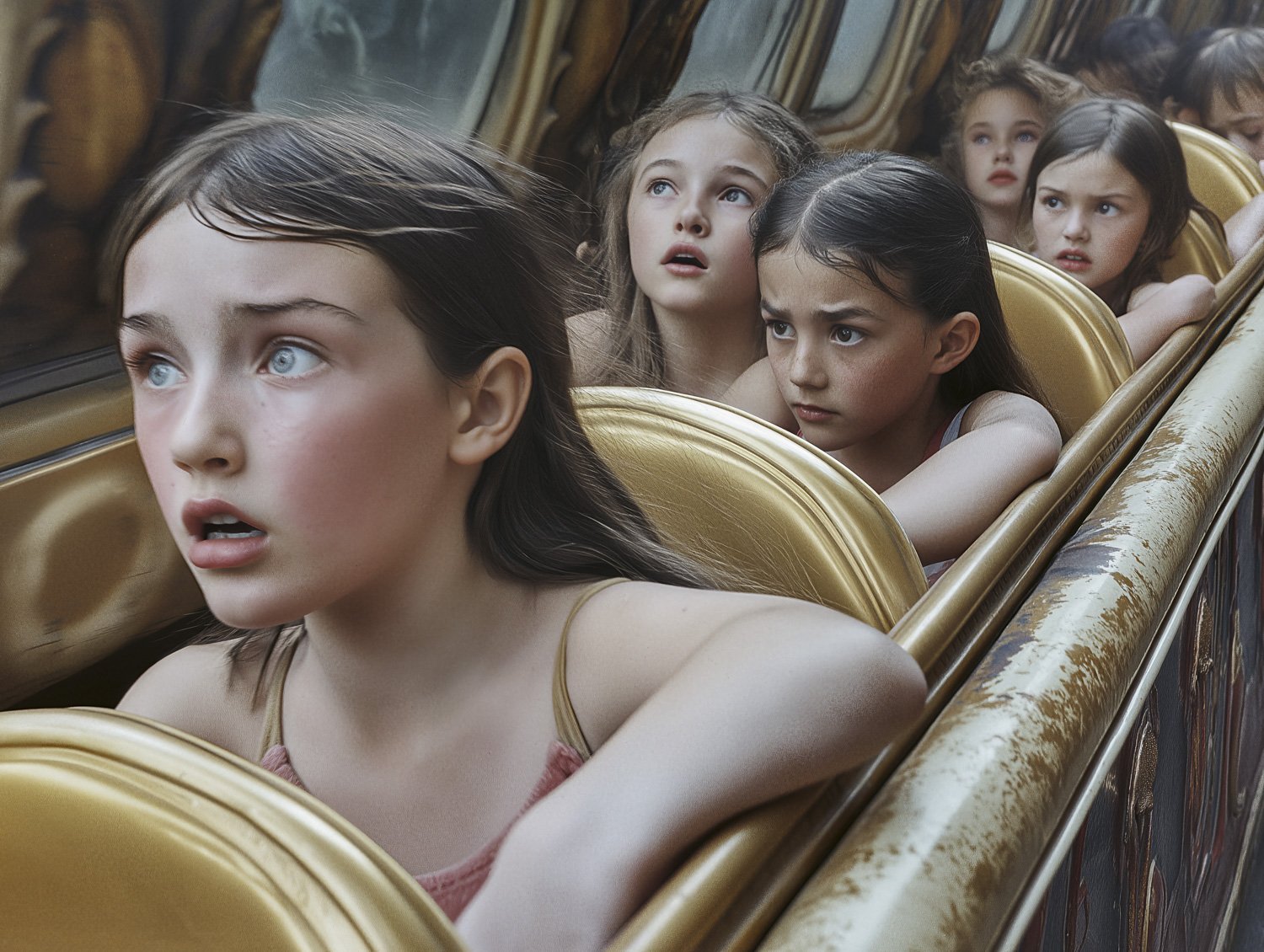
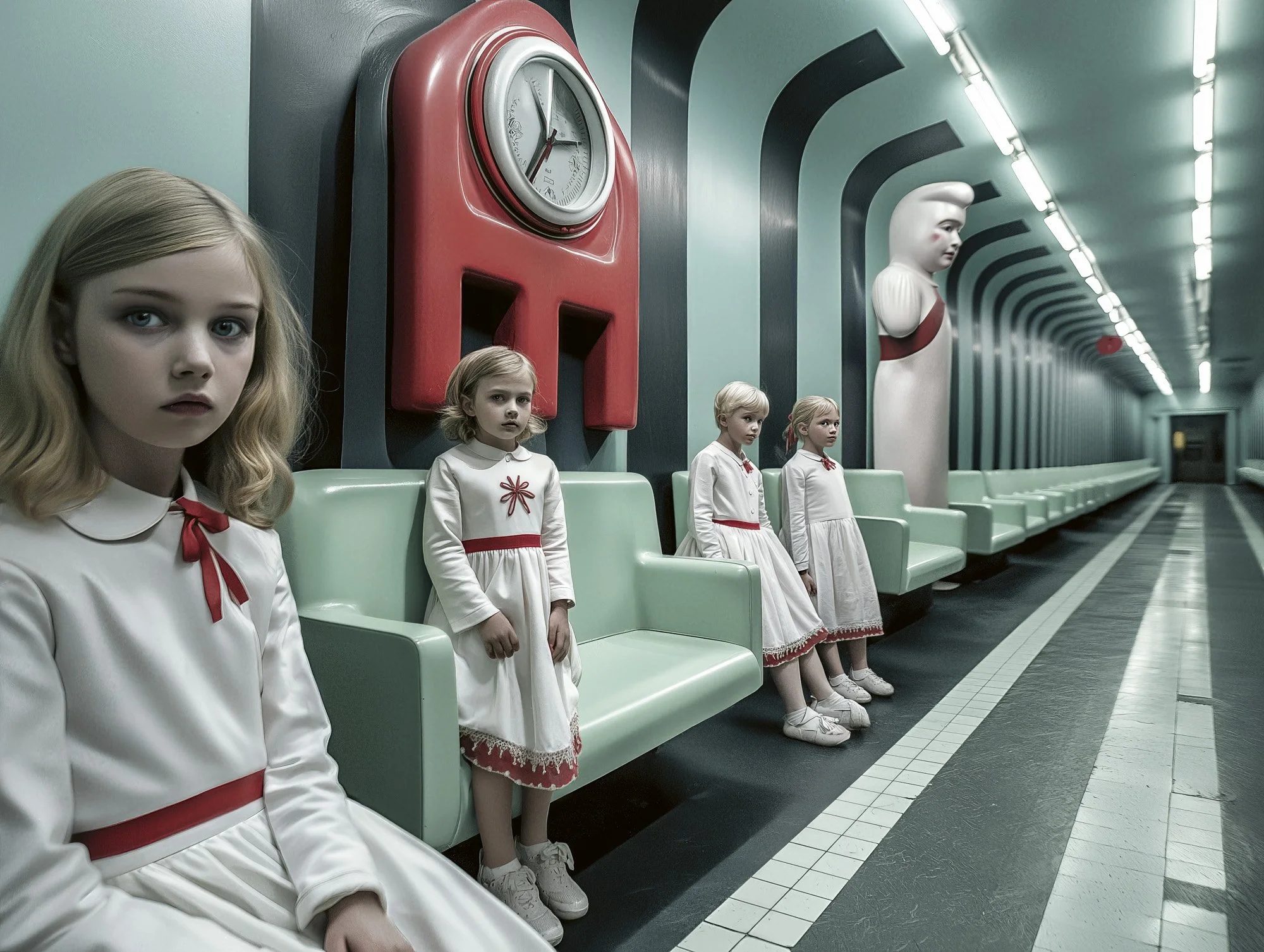
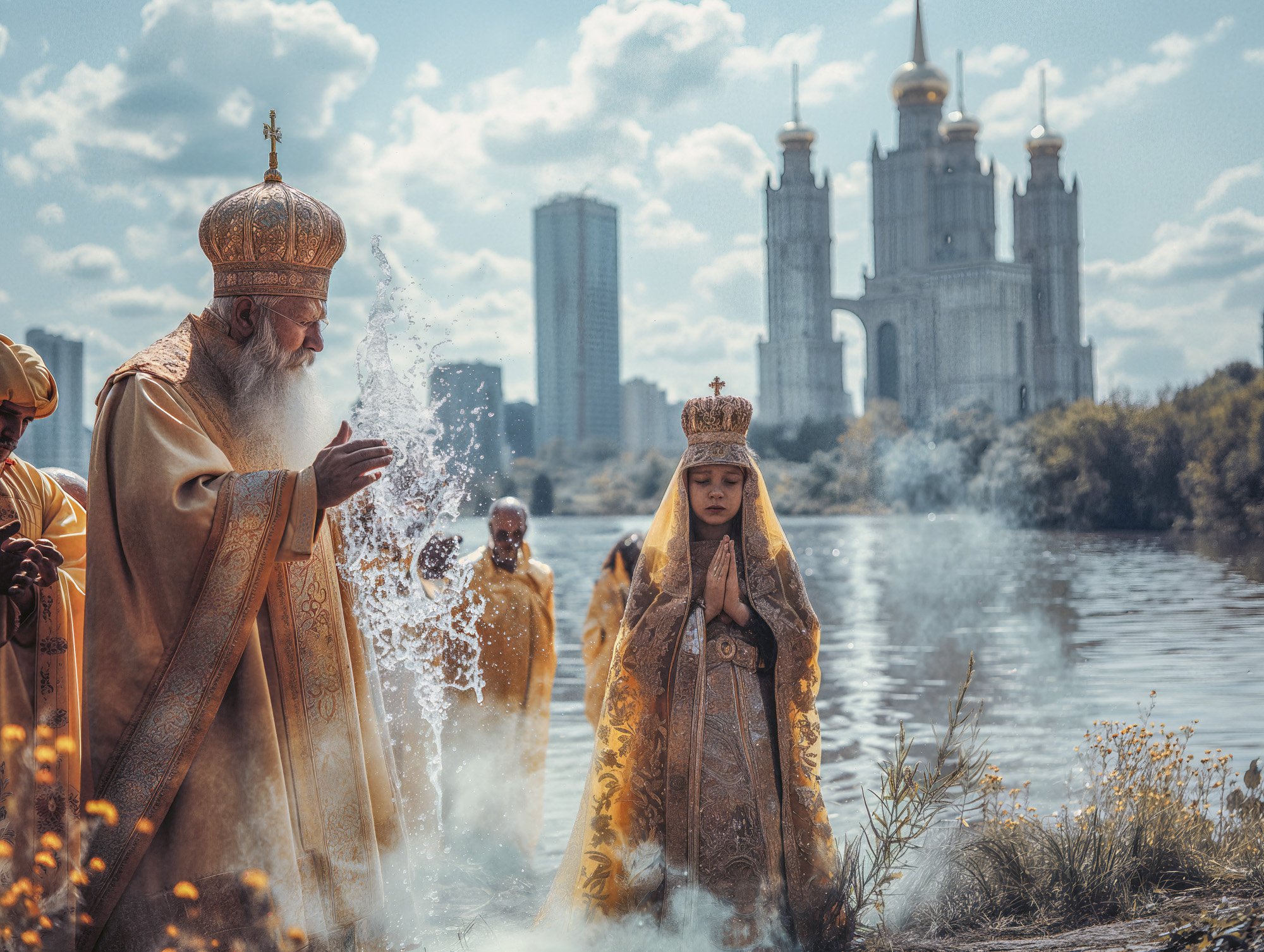
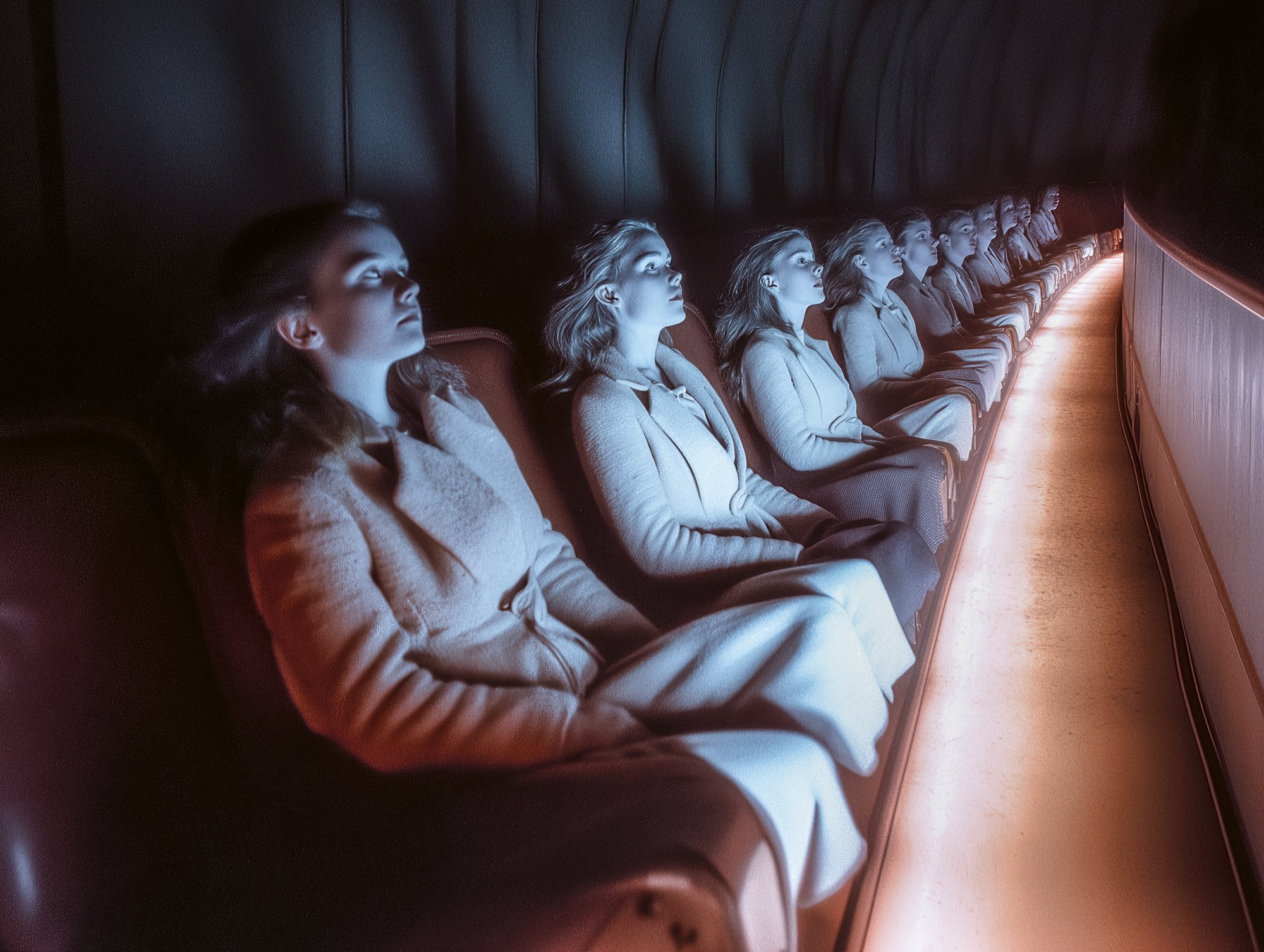
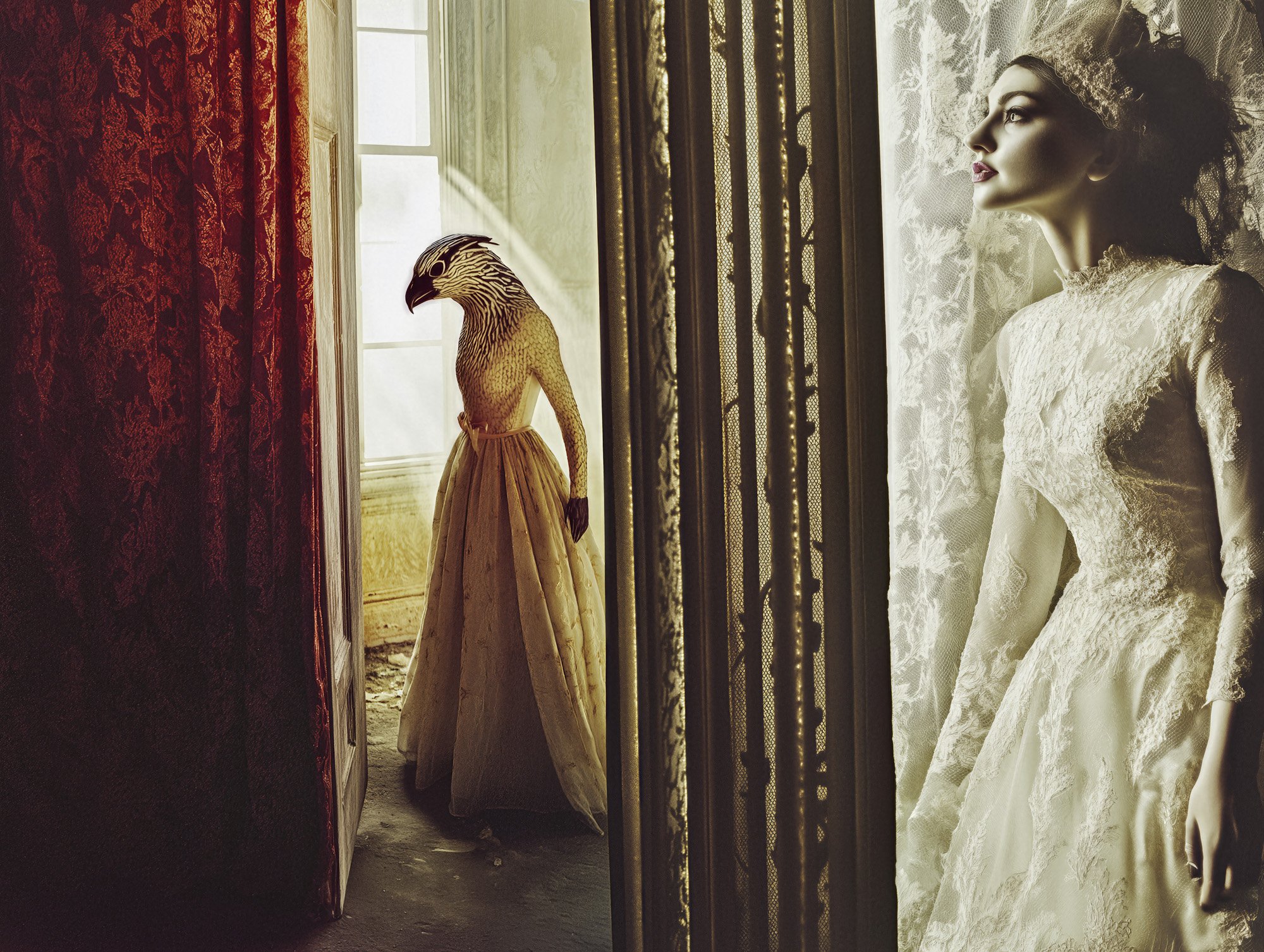
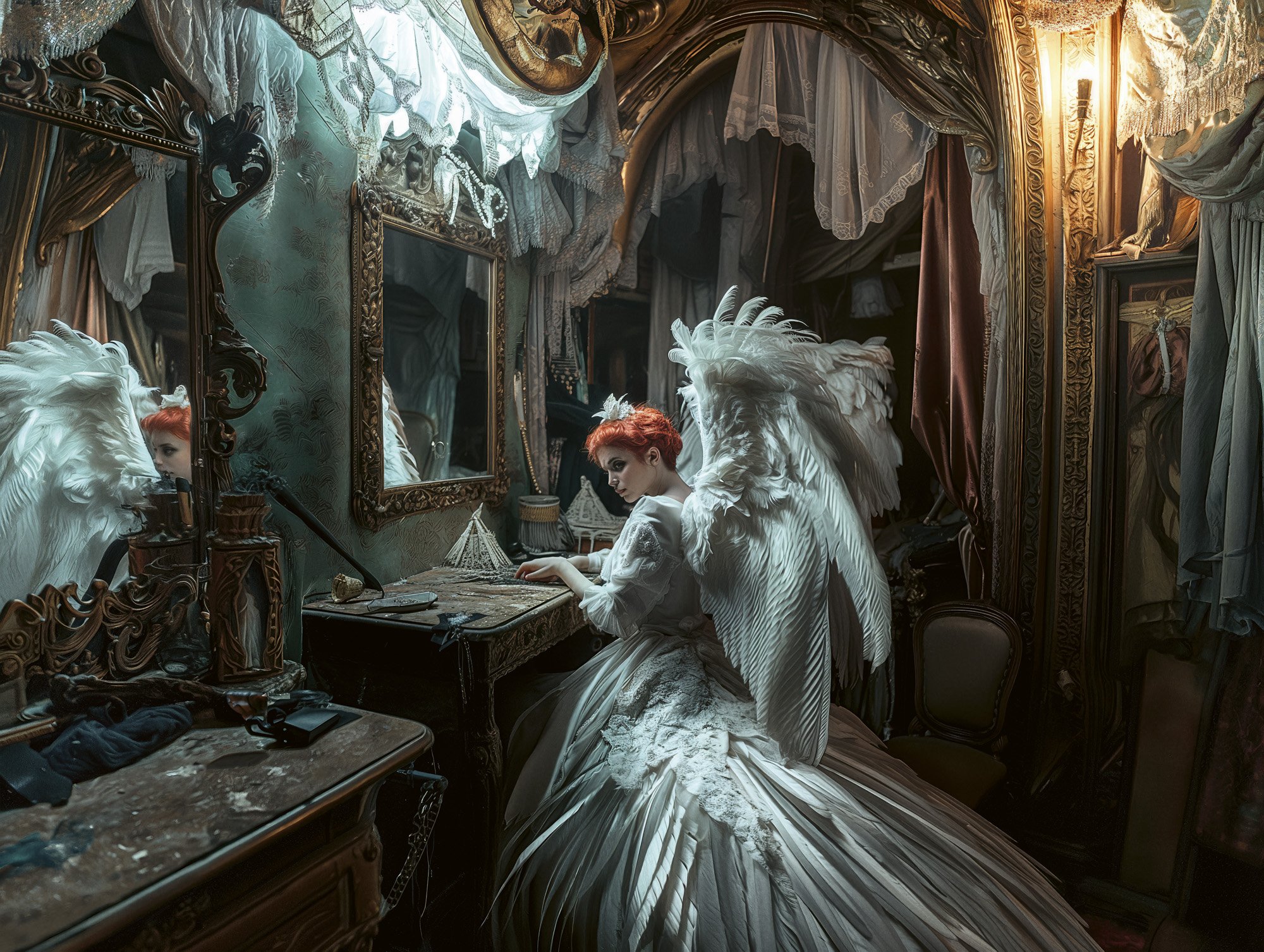
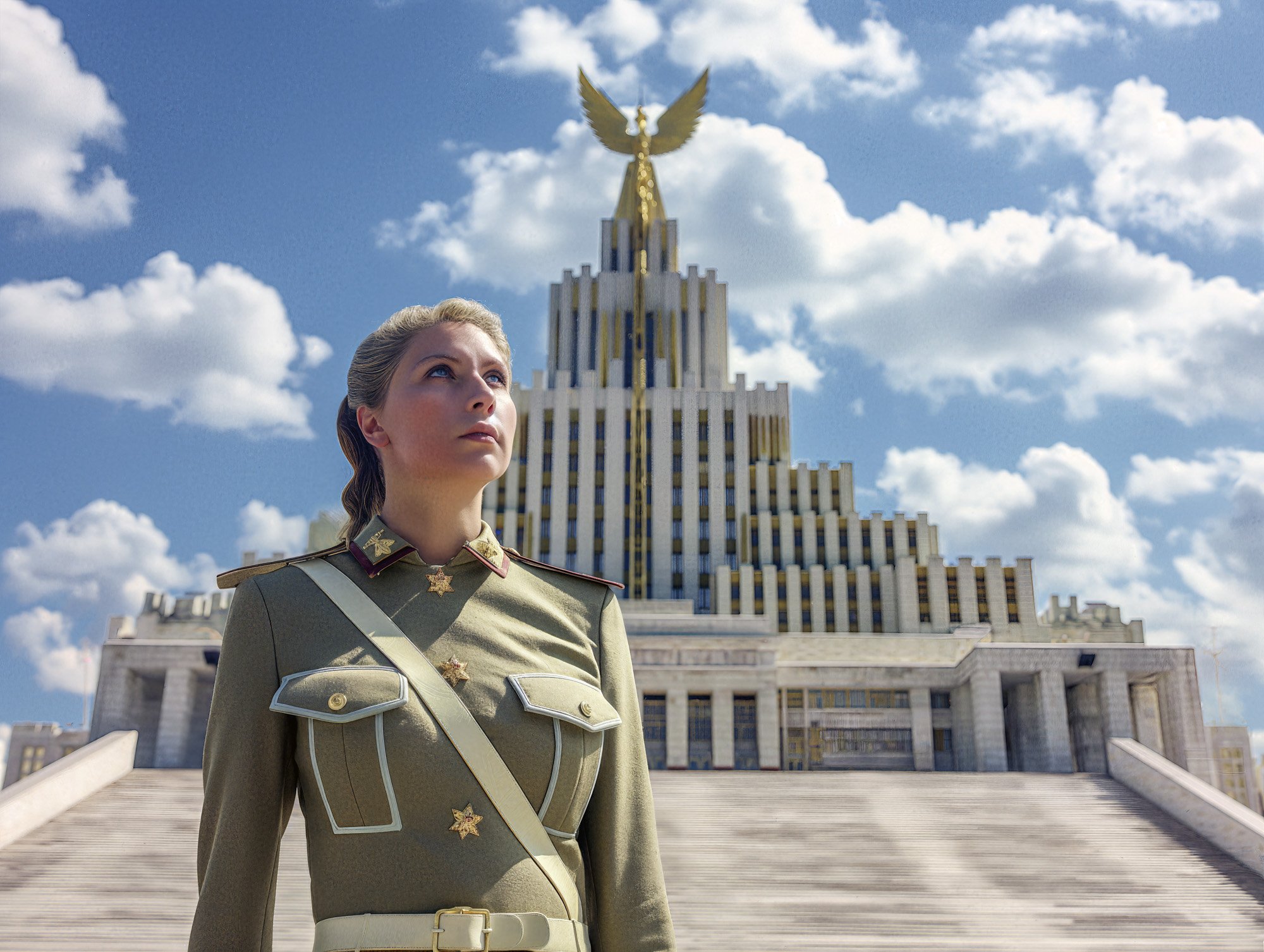
War, power and politics (common threads in De Keyzer’s oeuvre) are propaganda and are directed, manipulated, and play with the (un)reality and eroticism. They are guilty of spreading incorrect messages. Even in war there is often a kind of unreality in all the horror. In Putin’s Dream, Carl De Keyzer takes us into the horror and unreality of this fairytale, aesthetic seductiveness, which often borders on perfection and contemporary cinematography of an image. We see, as it were, perfect people – with white teeth, beautiful blond hair, blue eyes – in flawlessly composed settings, as every dictator might want. We get a suggestion of how Putin wants to see the victory in and from Russia, how he dreams his Russia. Not only in the past and present, but also in the future. At the same time, De Keyzer’s critical, ironic view is omnipresent. There are not only the counterattack in Crimea, but also the gay community, the penthouses in Moscow, the private yachts and parties, the postcards of an idealized Kremlin,… Of a reality that simultaneously exists there and is nonetheless non-existent. Like the beauty of another world, no matter how gruesome the subject.
Paul Valéry stated in his notebooks (Cahiers), which were published in 1973 and 1974, that works of art that were created with the greatest compulsion to regulate are also the works that require and provide the greatest freedom of mind. Just as important as coincidence, as the artist’s idea, is the making of the choice, the feeling of the look and the thoughts, linked to the consciousness for a specific moment. More specifically, art is a means of making the invisible real. And that is precisely what Carl De Keyzer does in Putin’s Dream.
Inge Braeckman
Introduction catalogue and exhibition for Central House of Photography, Bratislava. Nov. - Jan. 2026.
With Putin’s Dream, Carl De Keyzer enters new terrain – conceptually, technologically, and politically. Known internationally for his rigorous, human-centred documentary photography, De Keyzer now engages artificial intelligence not just as a tool but as a co-creator. The result is a deeply unsettling, hyper-real vision of a resurrected Soviet empire: seductive, fictional, yet chillingly plausible. It is a dream not only of the past, but of the present’s potential futures.
The project emerged in 2021, originally as a return journey to Russia. Having documented the collapse of the USSR in his 1989 series Homo Sovieticus, De Keyzer was preparing to revisit the territory decades later. With visas, guides, and plans in place, his travel was abruptly halted as Russian tanks began massing at the Ukrainian border. When war broke out in early 2022, De Keyzer made a pivotal decision: rather than abandon the project, he would reimagine it using artificial intelligence.
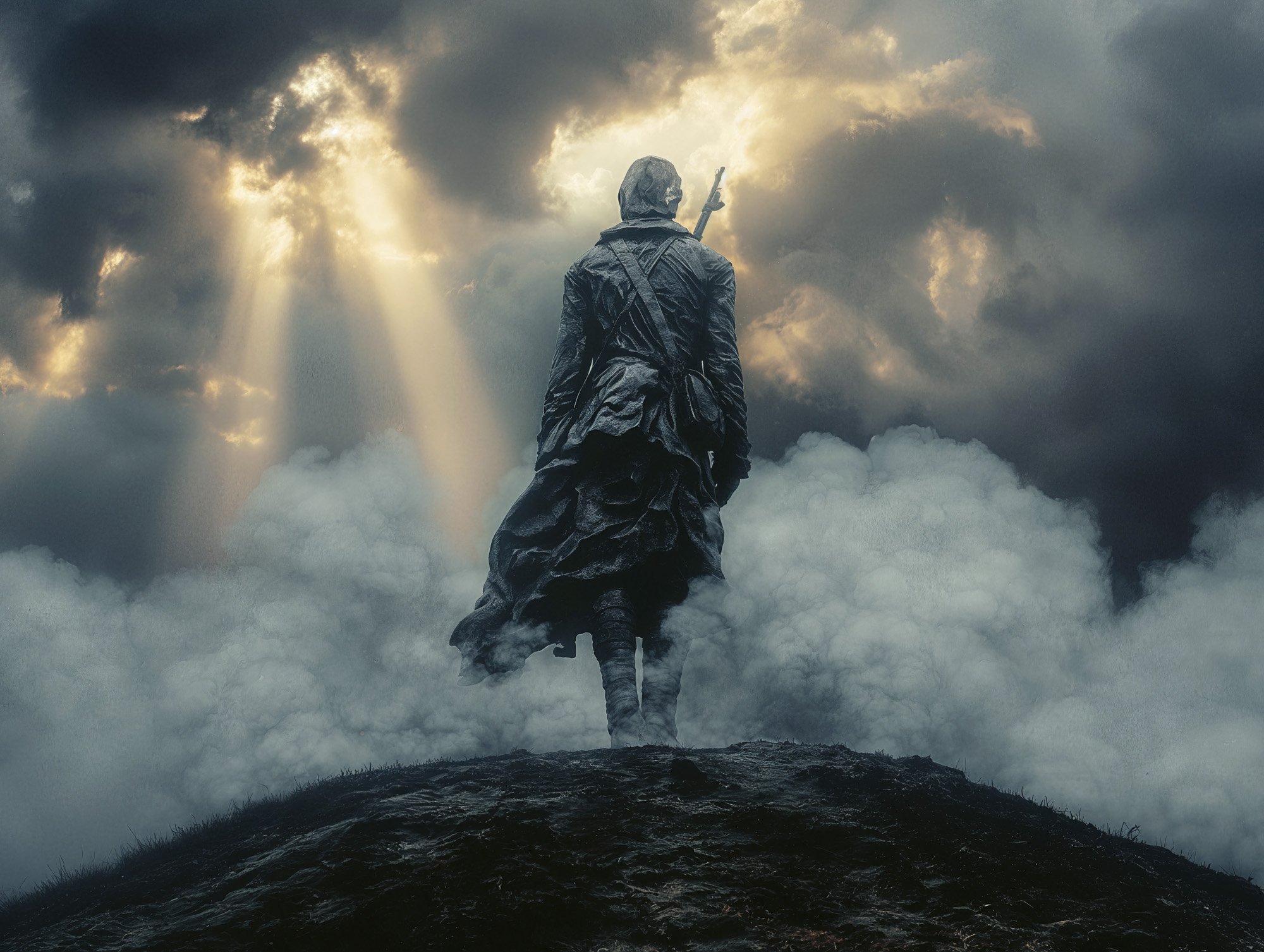
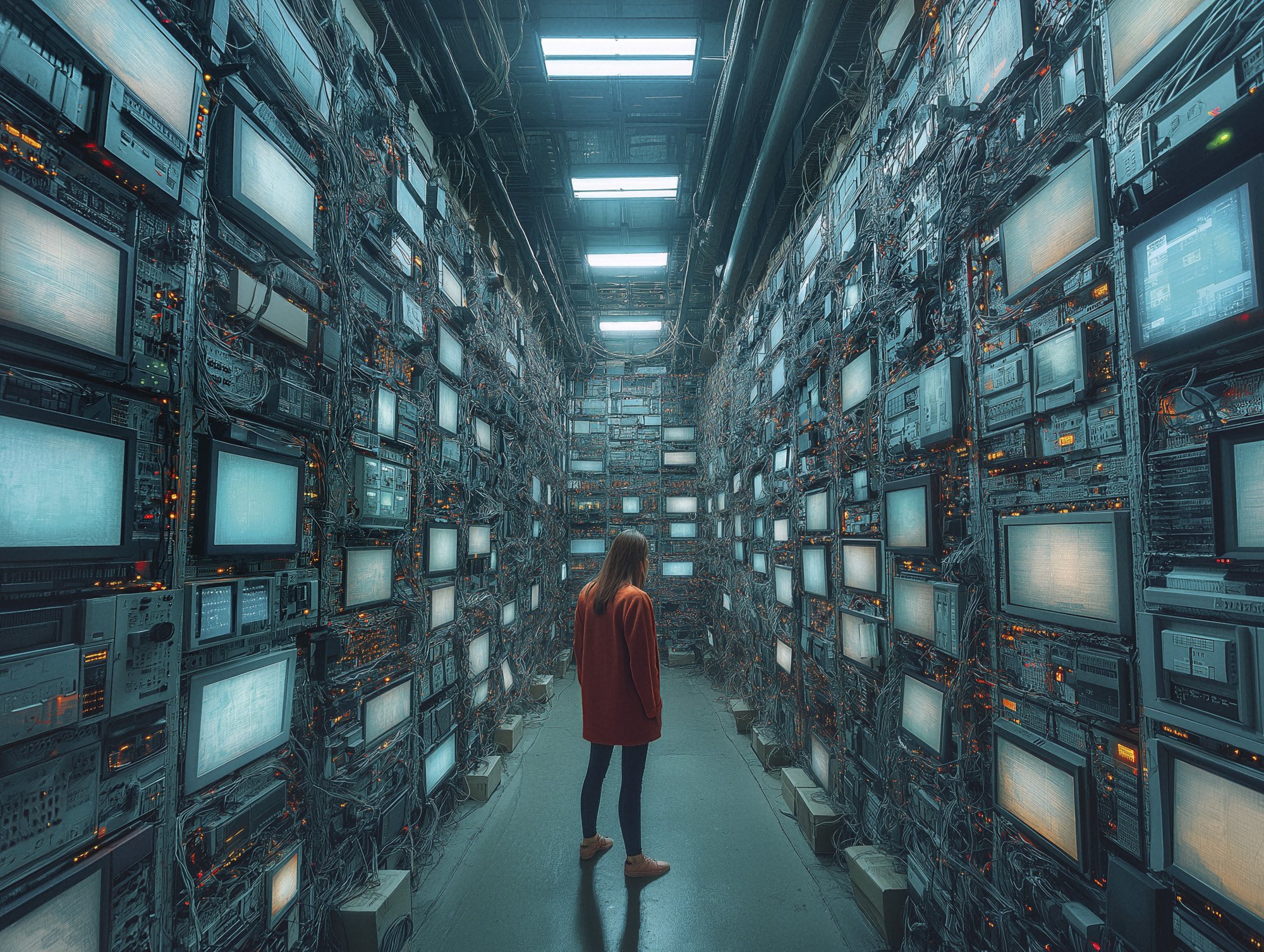
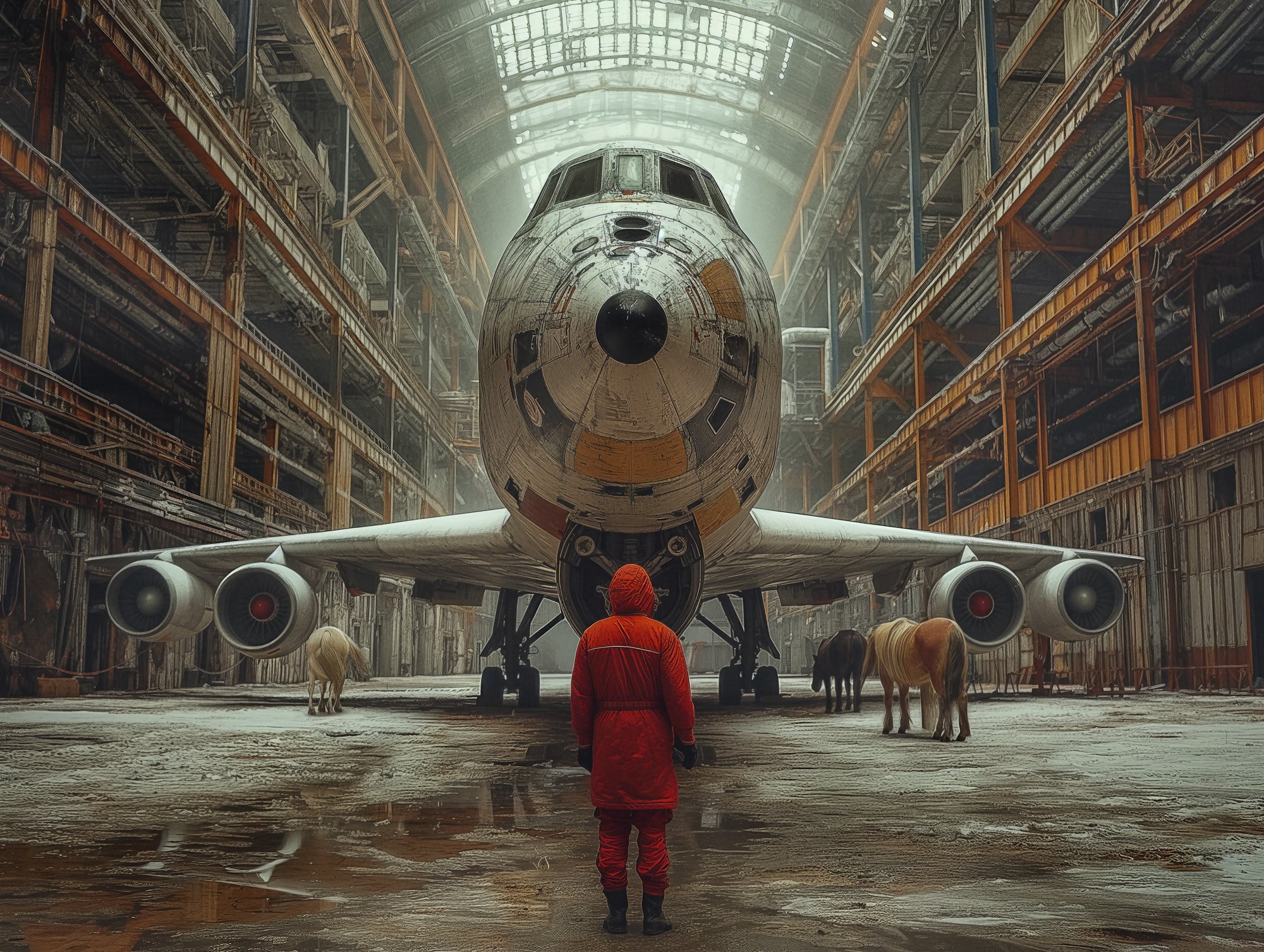
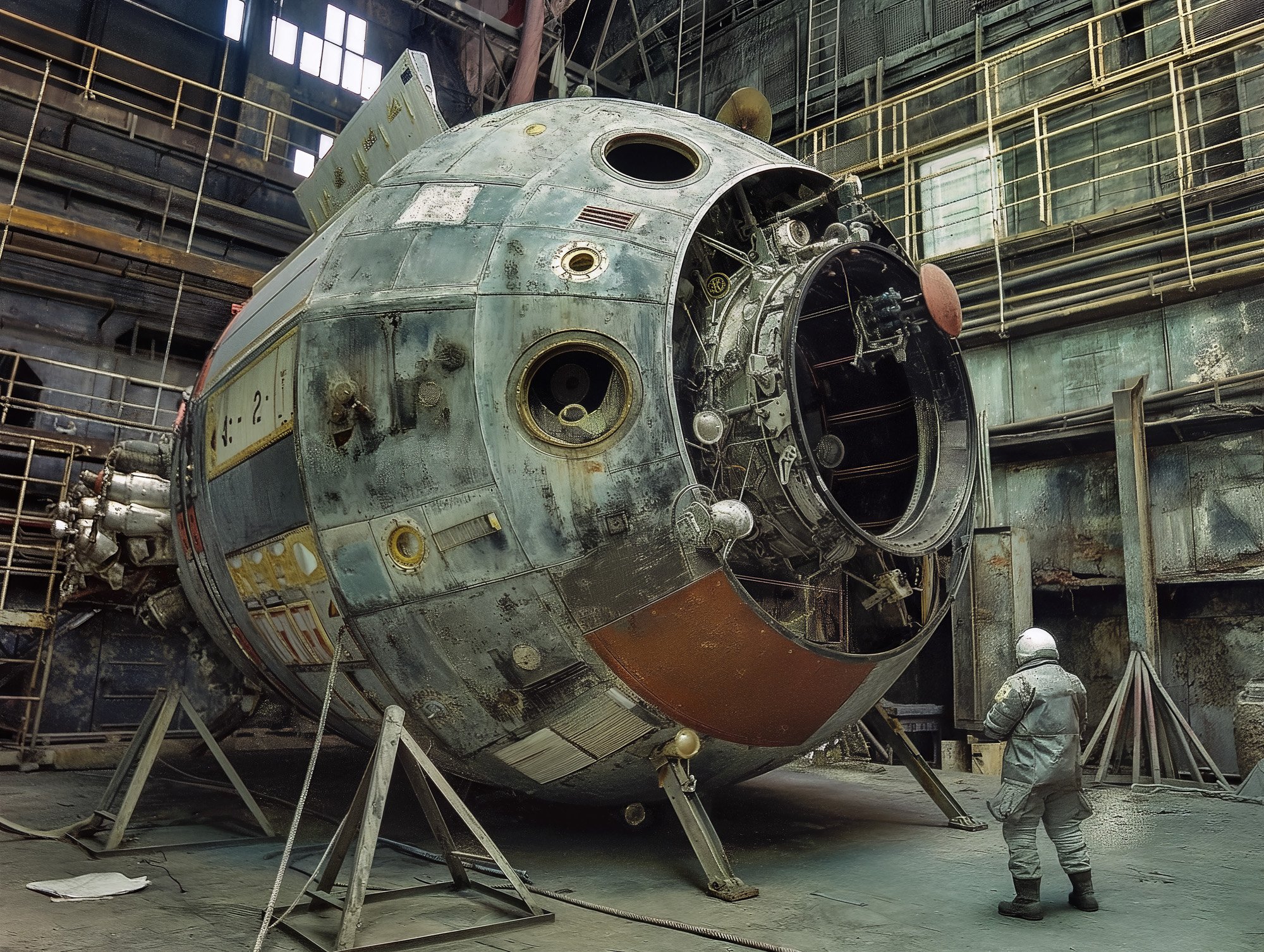
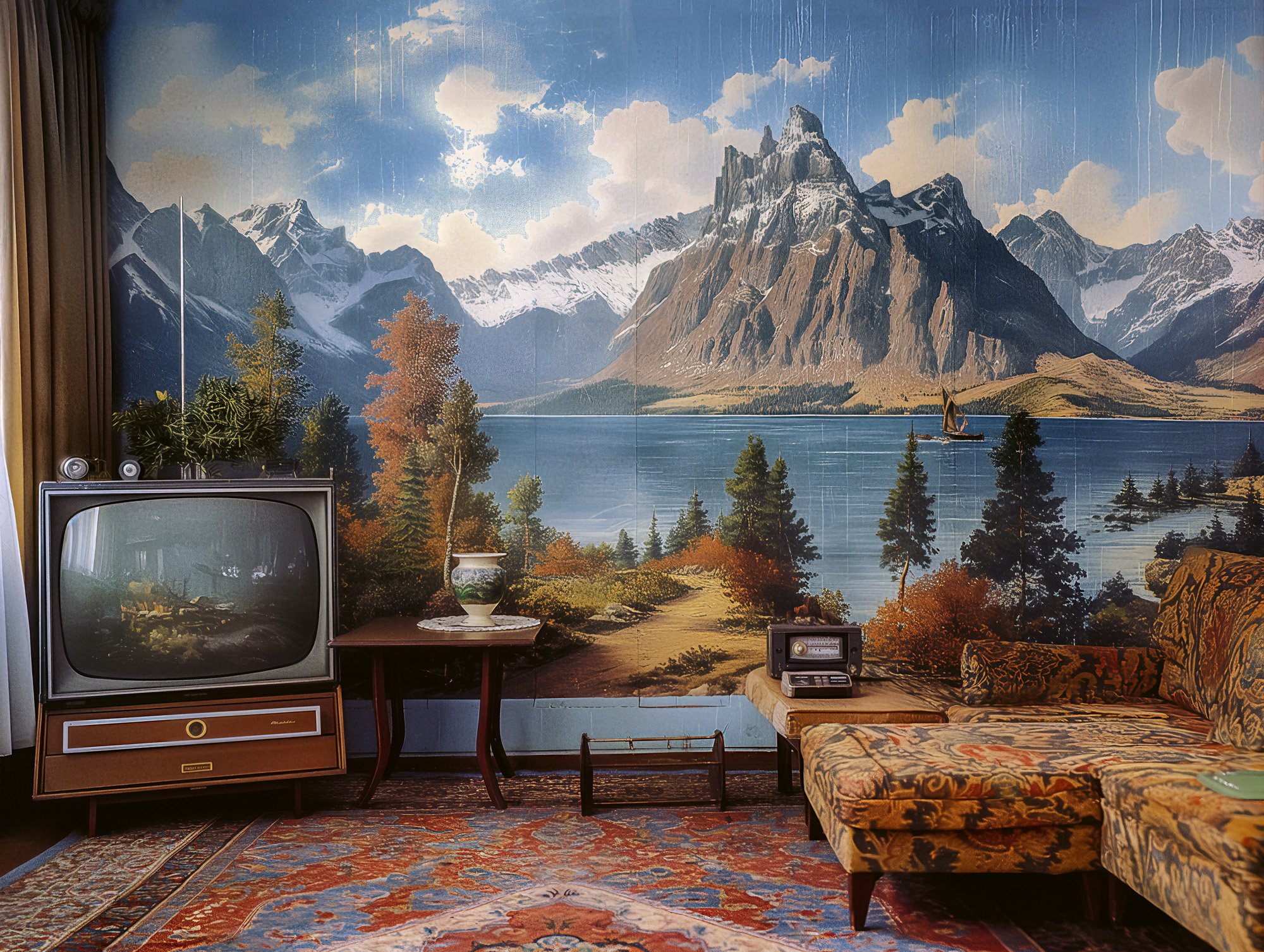
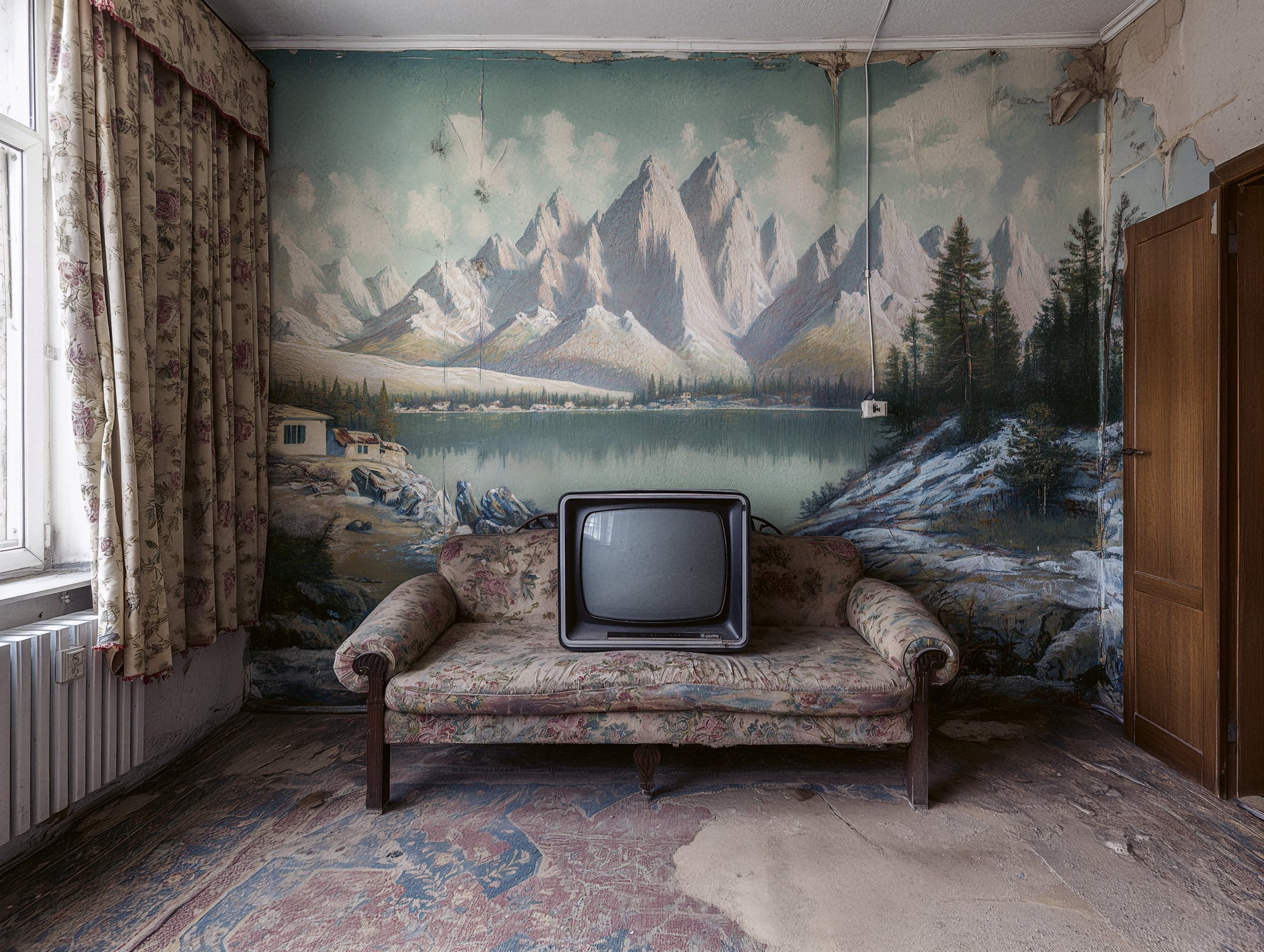
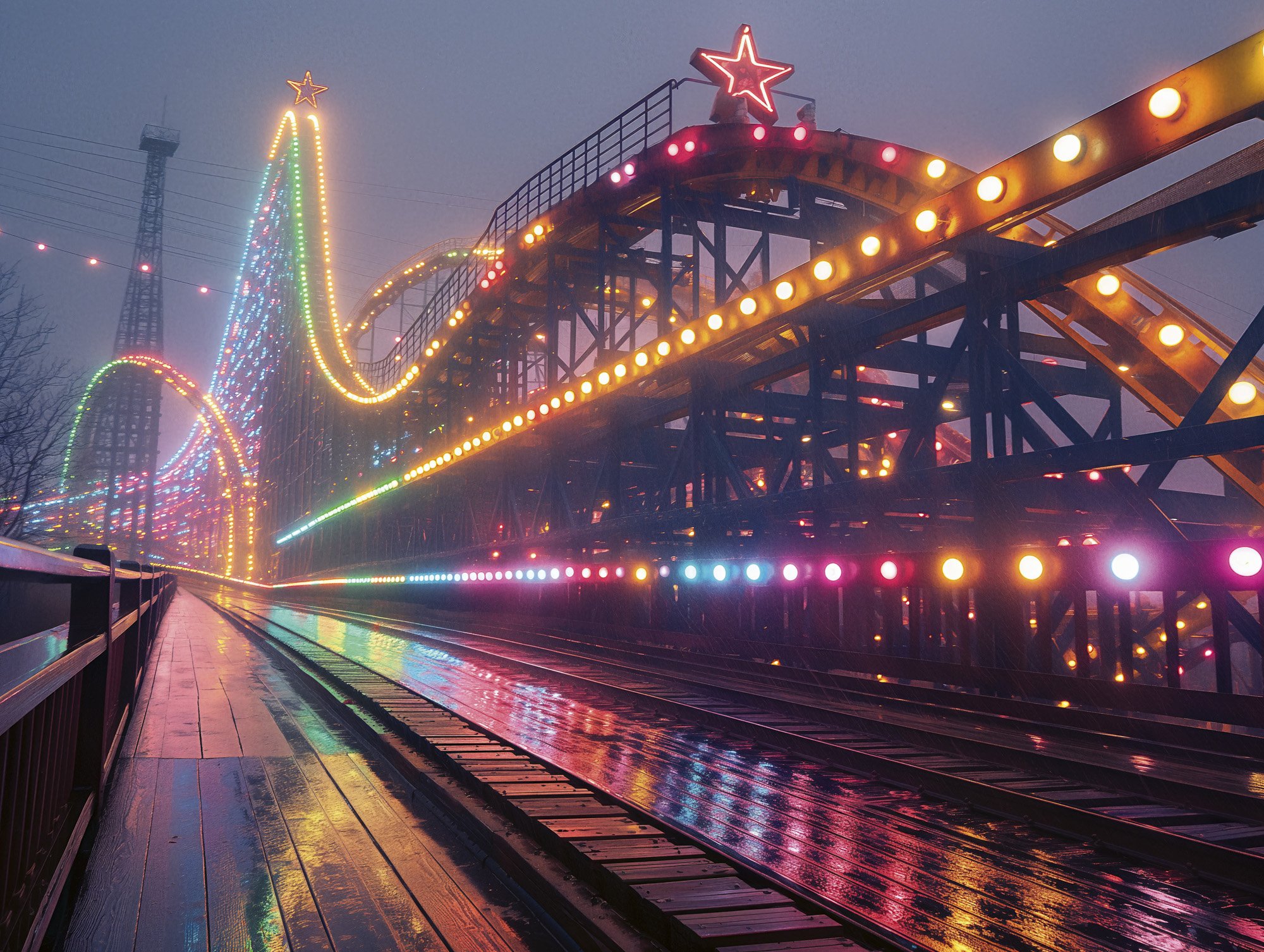
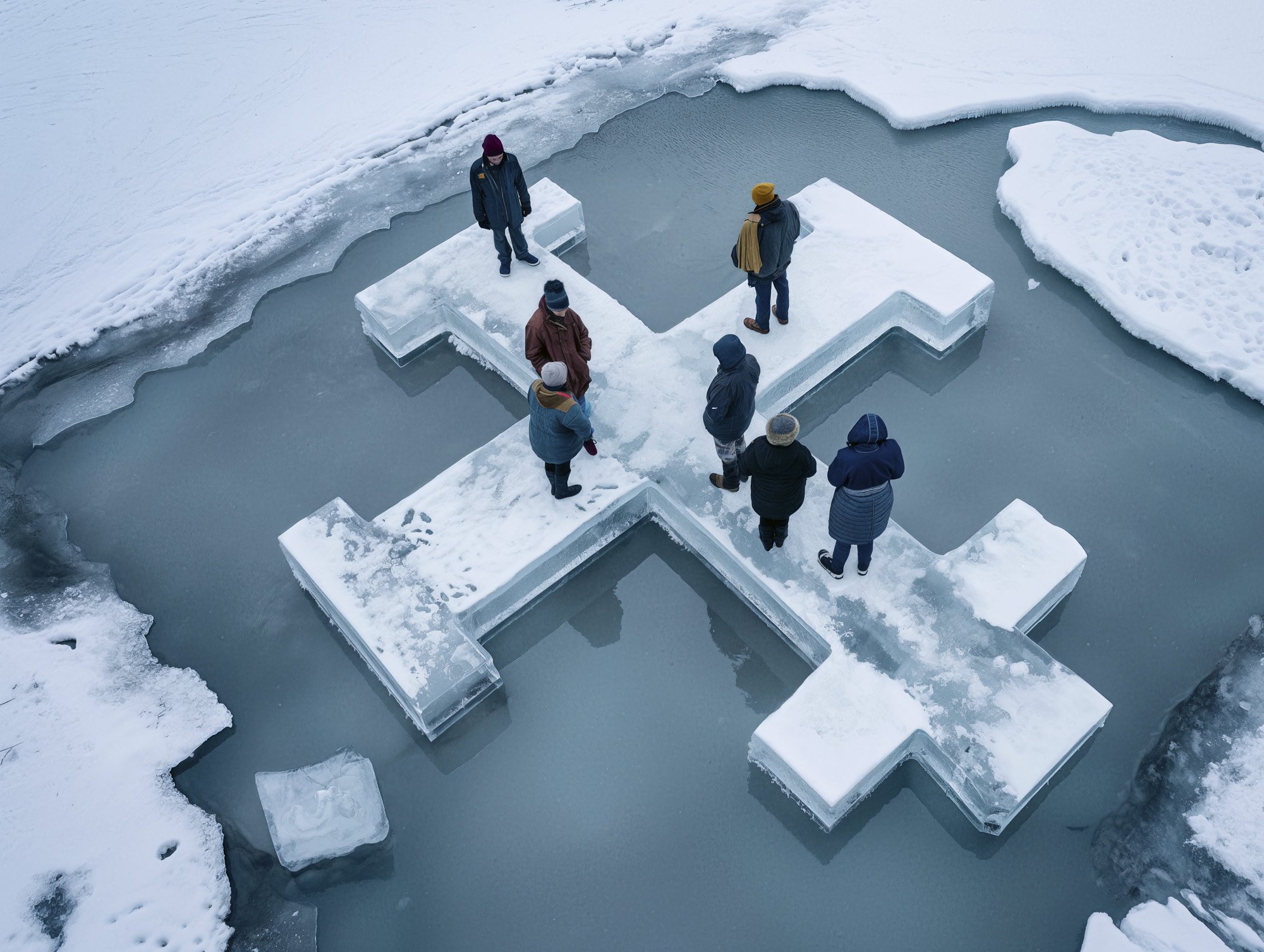
Drawing on his extensive archive – including previous series such as Zona (2003) – and training AI models to reflect his photographic language, he constructed a parallel visual reality: one in which the Soviet dream never died, but evolved. These images are entirely fictional, yet unmistakably grounded in real visual traditions – state propaganda, documentary realism, and cinematic spectacle. They depict a world of perfect parades, impossibly symmetrical architecture, glossy youth, decadent elites, and Orthodox grandeur. It is Russia as imagined through the eyes of power – an empire not just rebuilt, but idealised. The horror lies in aesthetic perfection: a visual narrative as beautiful as it is menacing.
De Keyzer’s use of AI complicates traditional notions of authorship and photographic truth. While the images are generated by algorithms, they are anything but random. The artist actively trains the system – curating its inputs, steering its logic, and shaping its compositional “instincts.” In doing so, De Keyzer reveals AI not as a neutral tool, but as a mirror of its maker’s choices, biases, and ideas. It is a continuation of his documentary method, albeit now rooted in simulation rather than observation.
At its core, Putin’s Dream is a critical response to the war in Ukraine and to the broader resurgence of imperial nostalgia, authoritarianism, and myth-making in contemporary geopolitics. It examines how images – real or synthetic – can be used to construct ideology; how propaganda works through repetition and beauty; and how power manipulates memory to control the future. De Keyzer explores not only what is happening, but how we are made to see what is happening.
There is irony here, and there is warning. In these eerily plausible scenes of a victorious, idealised Russia, we are confronted not only with a dream, but with its costs. Beneath the glossy, golden, symmetrical surface lurks a quiet critique of empire, control, and the unreality that often accompanies war.
In Putin’s Dream, Carl De Keyzer turns the camera inward – into the machinery of image production itself. He invites us not only to look, but to ask: who builds the world we see, and to what end?
Jana Rajcová, M.A.